Journal
Three expressions of the same sensibility: tea, objects, and the way we choose to live.
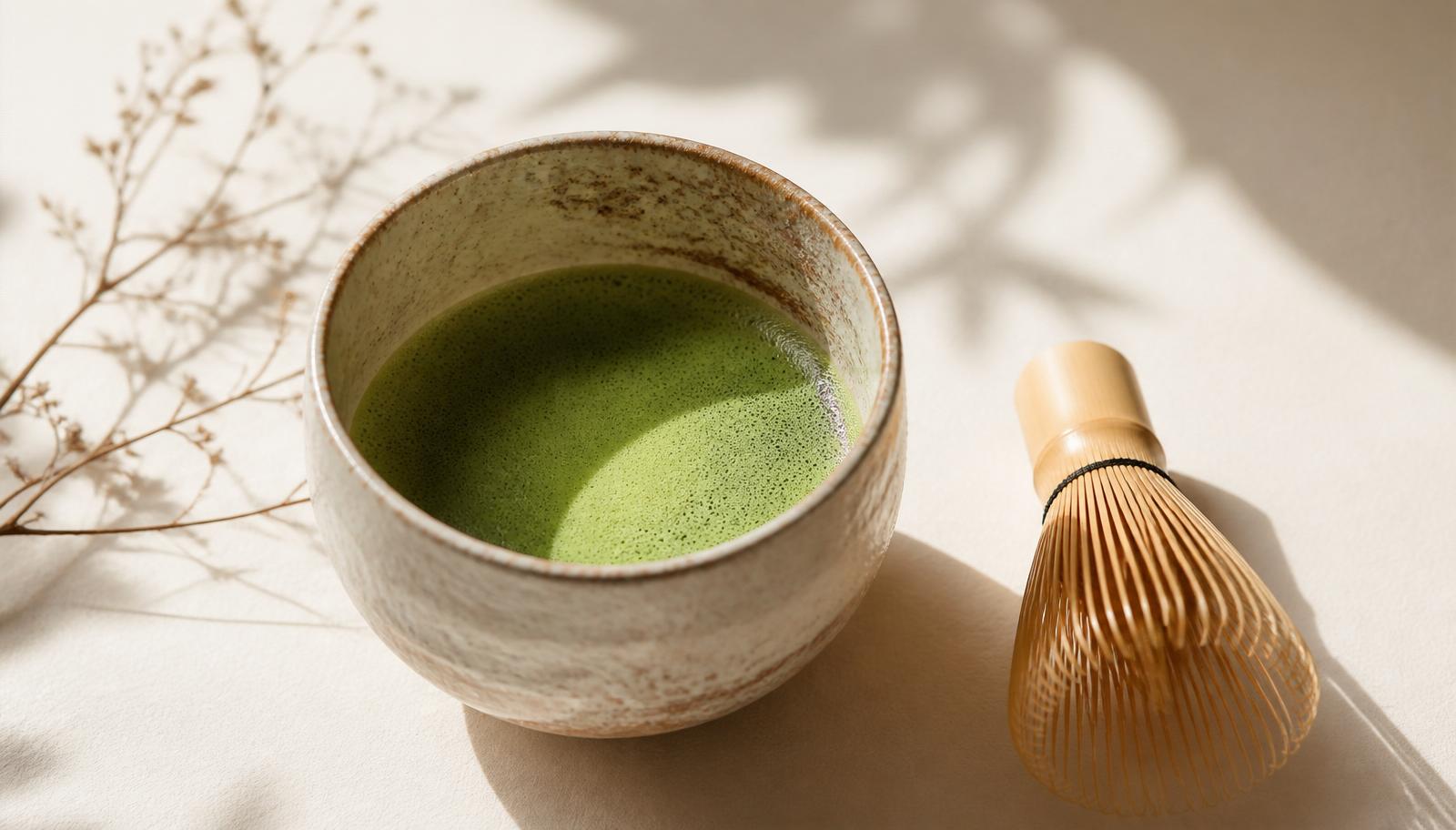
Matcha Kabuse: the intermediate shade-grown matcha
Kabuse, an intermediate shading stage between sencha and gyokuro, explained in detail.
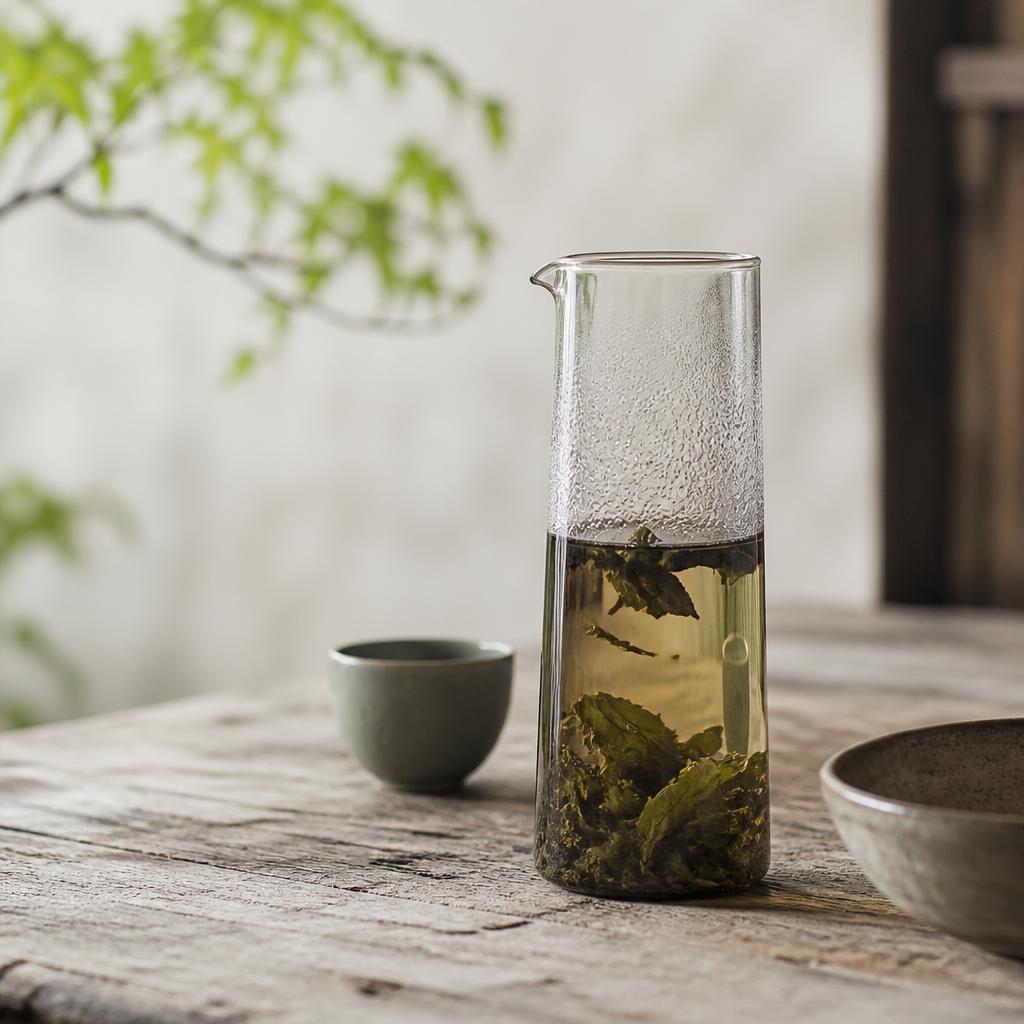
Cold-brewing tea: the Cold Brew guide
Method, duration and teas suited to cold brewing to extract sweetness and freshness without bitterness.
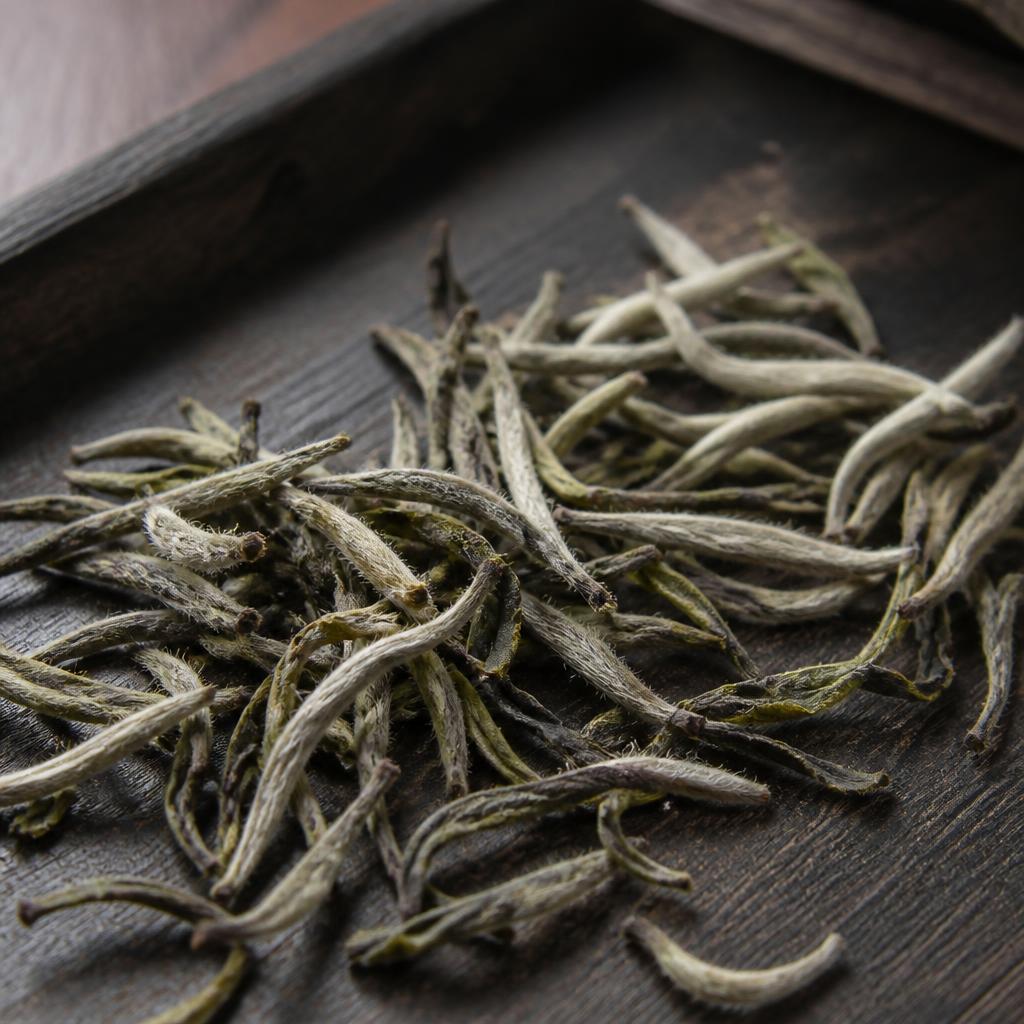
What is a Grand Cru tea? The criteria
Terroir, harvesting and expertise: the objective criteria that define a Grand Cru tea.
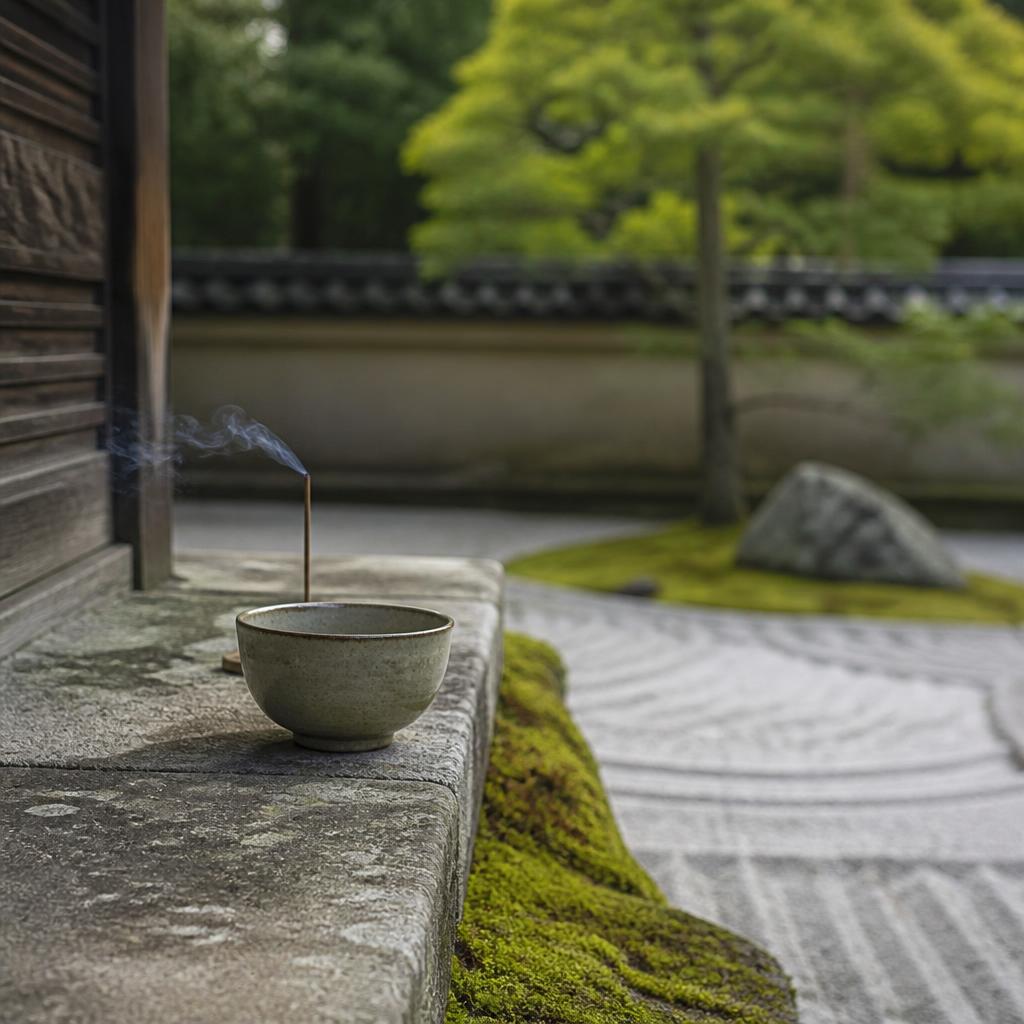
Tea and Zen Buddhism: the history of Cha Dao
How tea has accompanied Zen meditation for centuries, through caffeine and L-theanine.
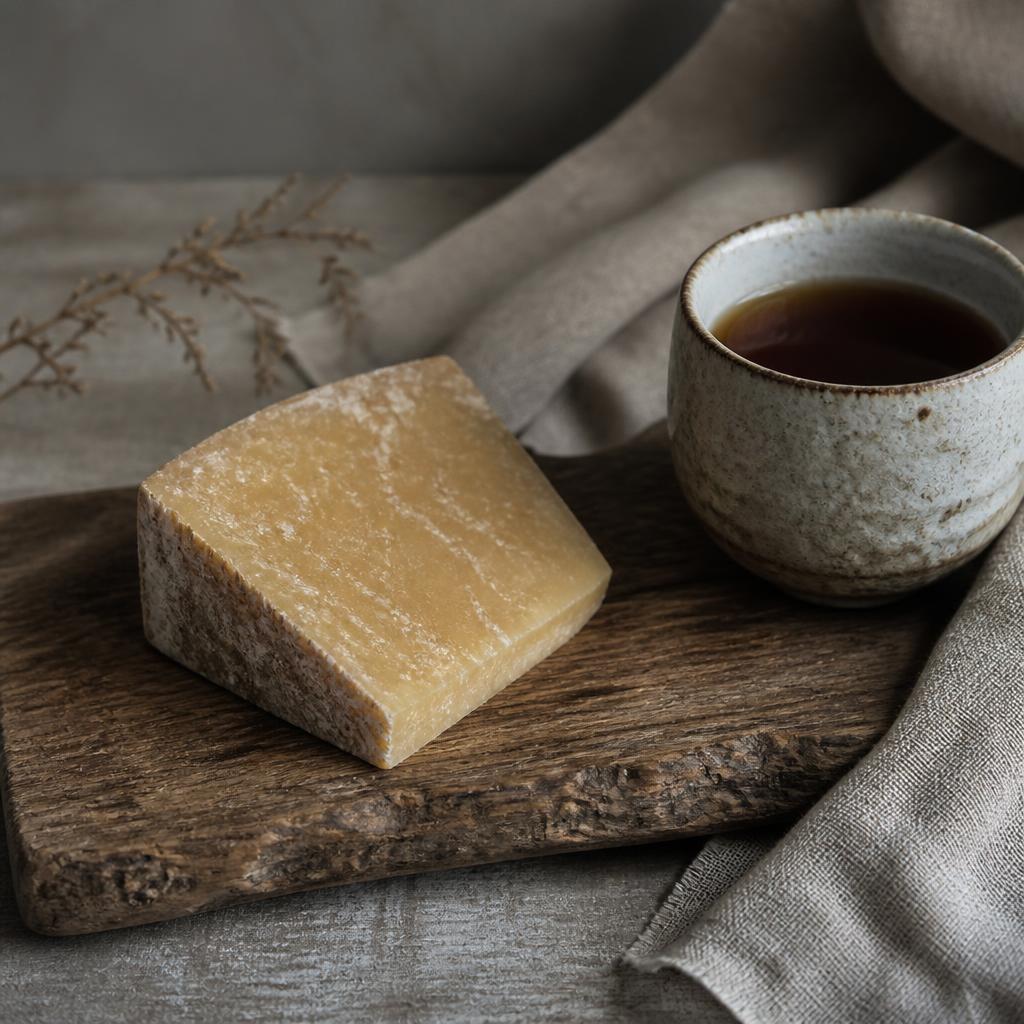
Tea and cheese pairings: the gastronomic guide
Biochemical principles and pairing suggestions between tea families and types of aged cheese.
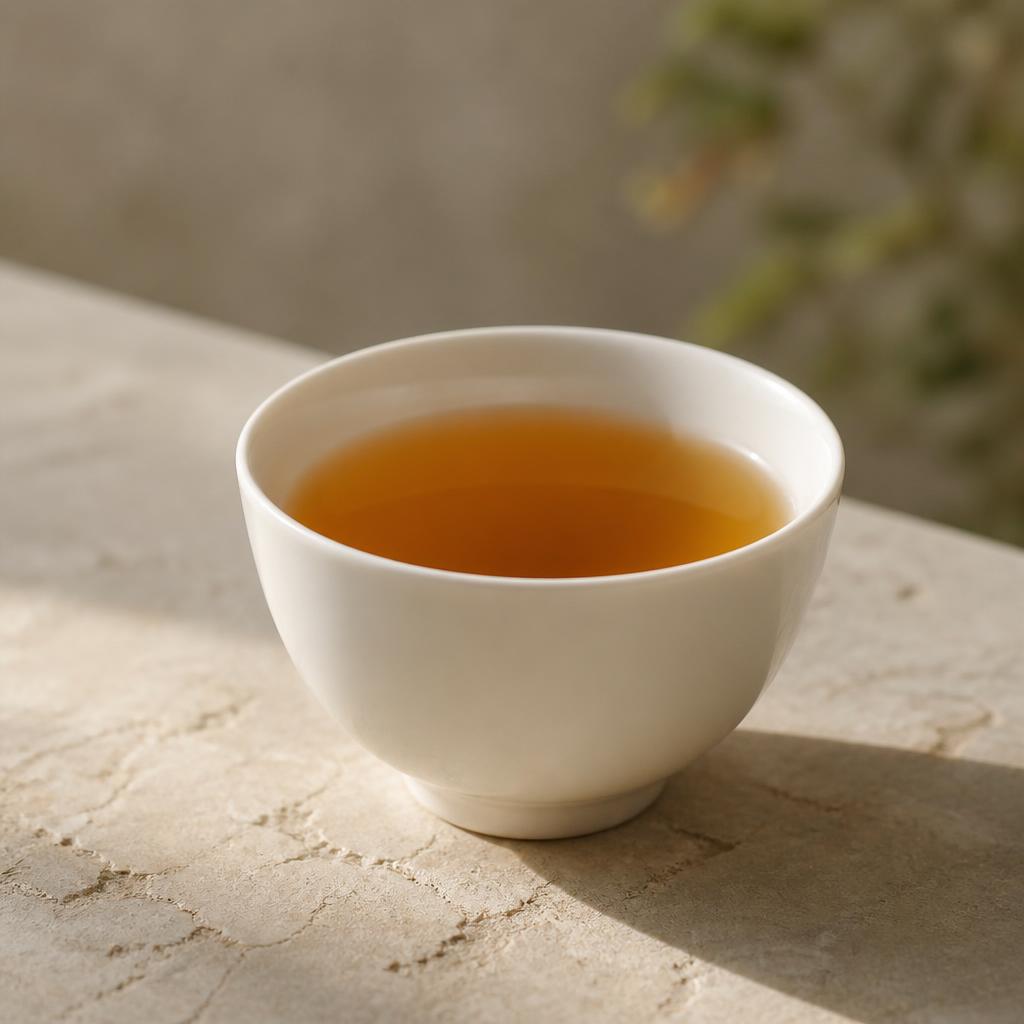
Does tea stain teeth yellow? The truth
Tannins, catechins and tooth enamel: what the biochemistry of tea reveals about dental stains.
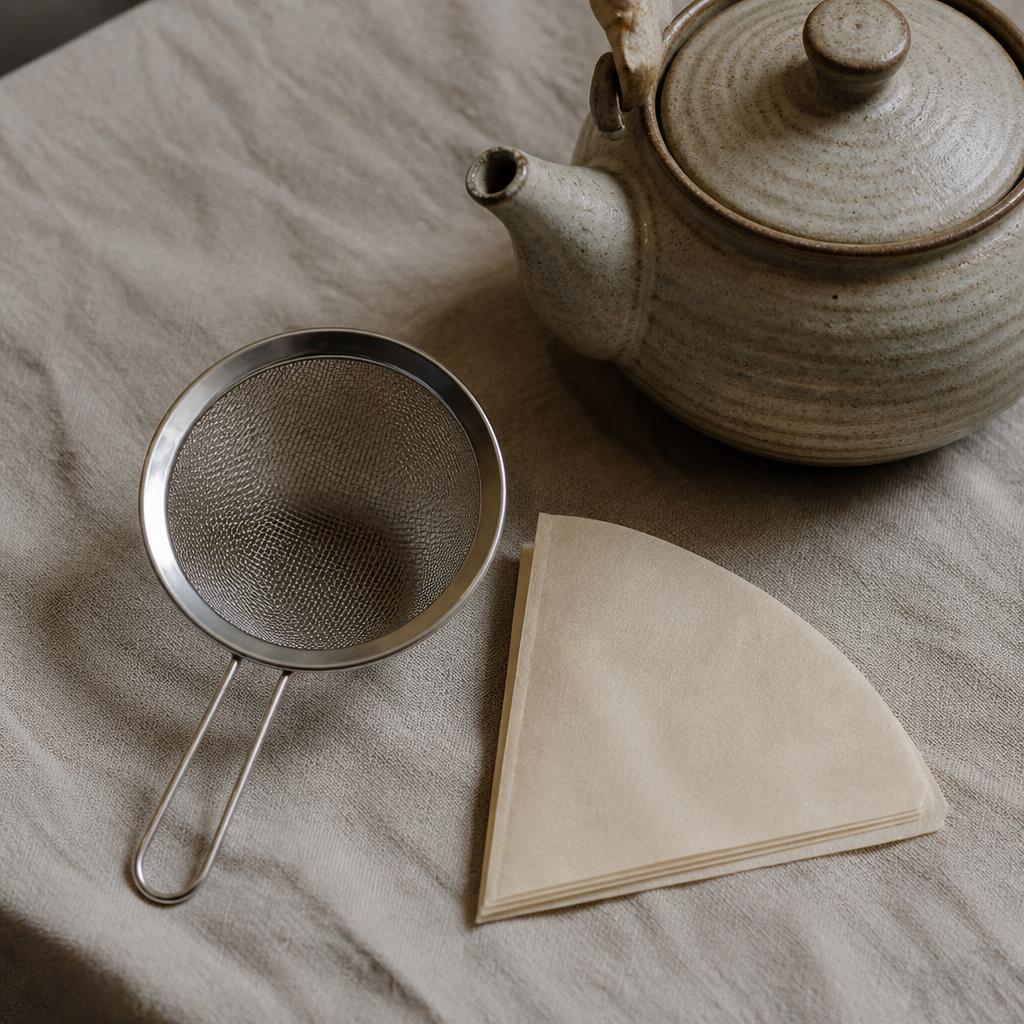
Tea filter: paper or metal, which should you choose?
A technical comparison of paper and metal filters for preserving tea’s essential oils.
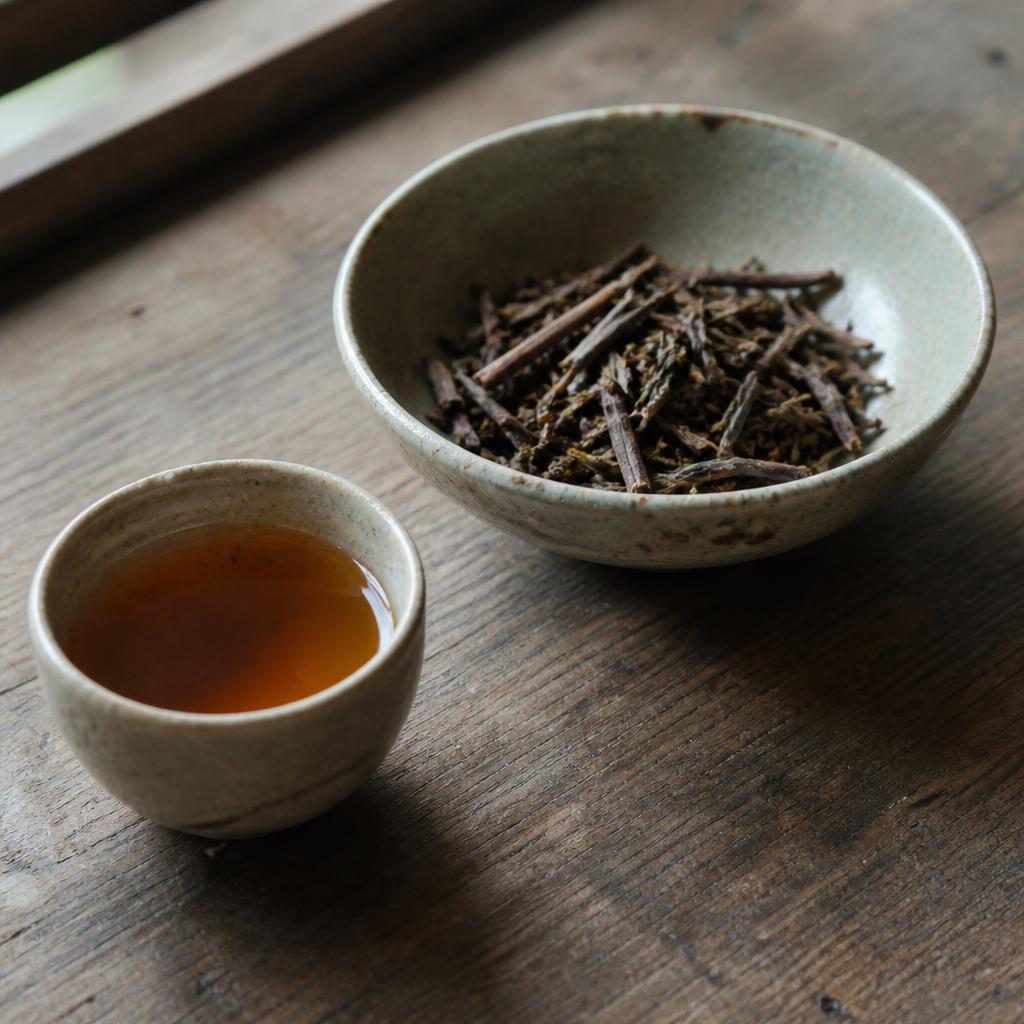
Hojicha: Japanese roasted green tea
Discover Hojicha, a Japanese roasted green tea with caramel notes, low in caffeine and rich in sweetness.
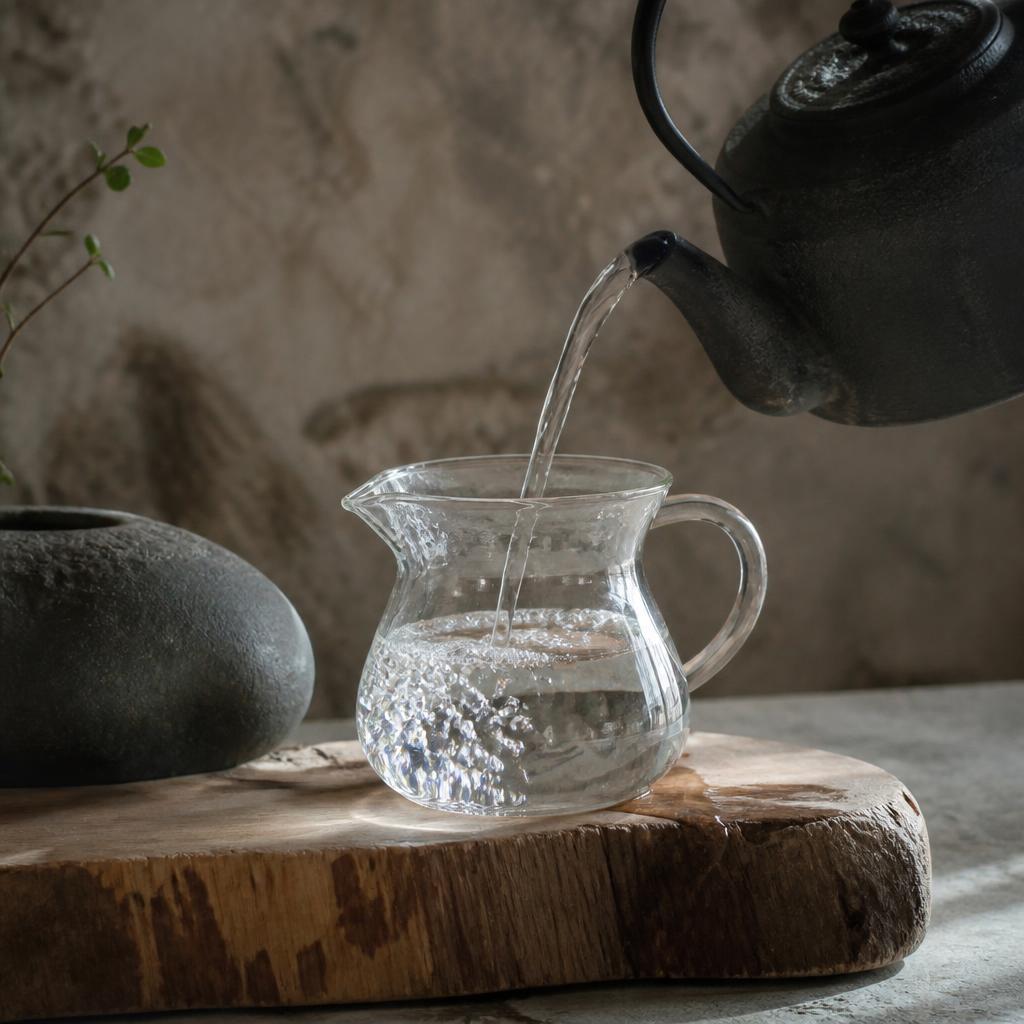
Which water should you choose to brew tea?
Mineral content, pH and temperature: how water determines the aromatic expression of your tea.
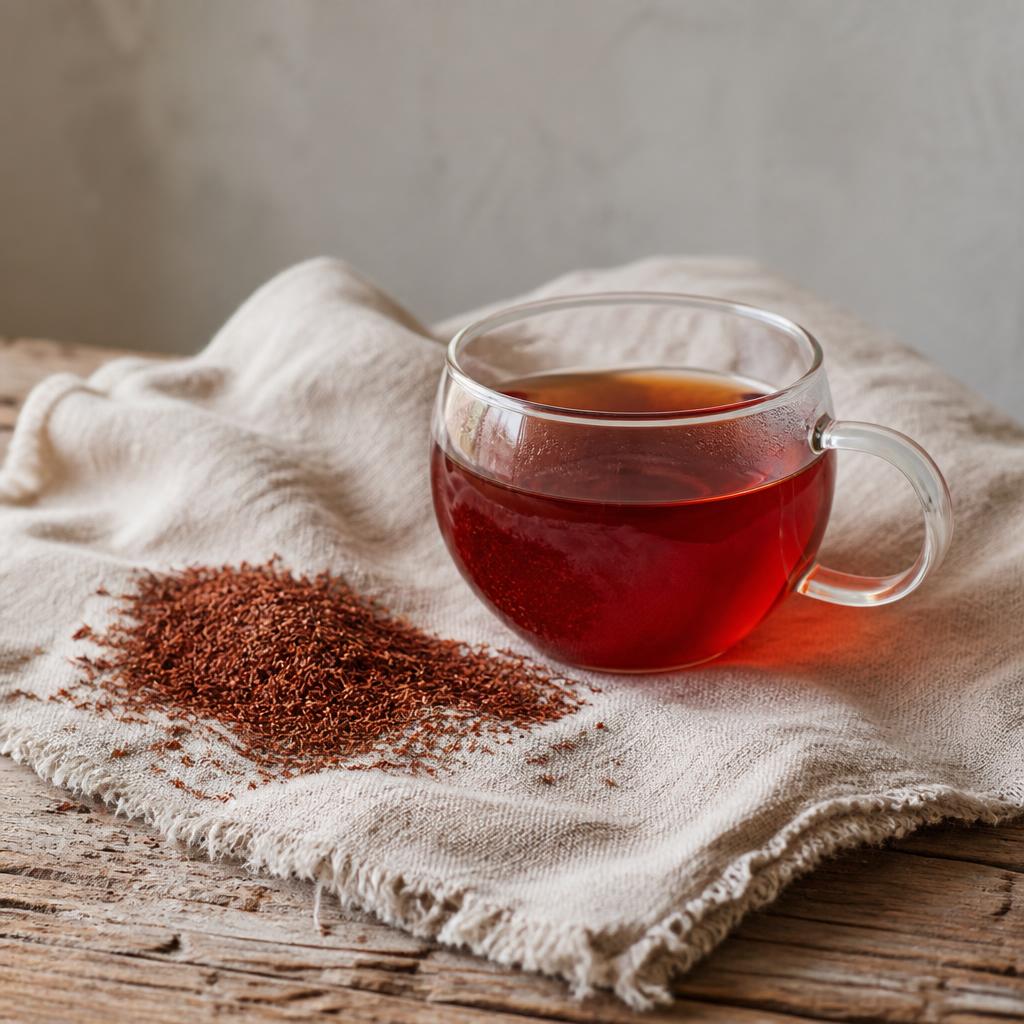
Is rooibos tea ? The botanical answer
Aspalathus linearis is not Camellia sinensis. The botany, absence of caffeine, aspalathin and uses of rooibos, explained by the HOLLIN tea house.
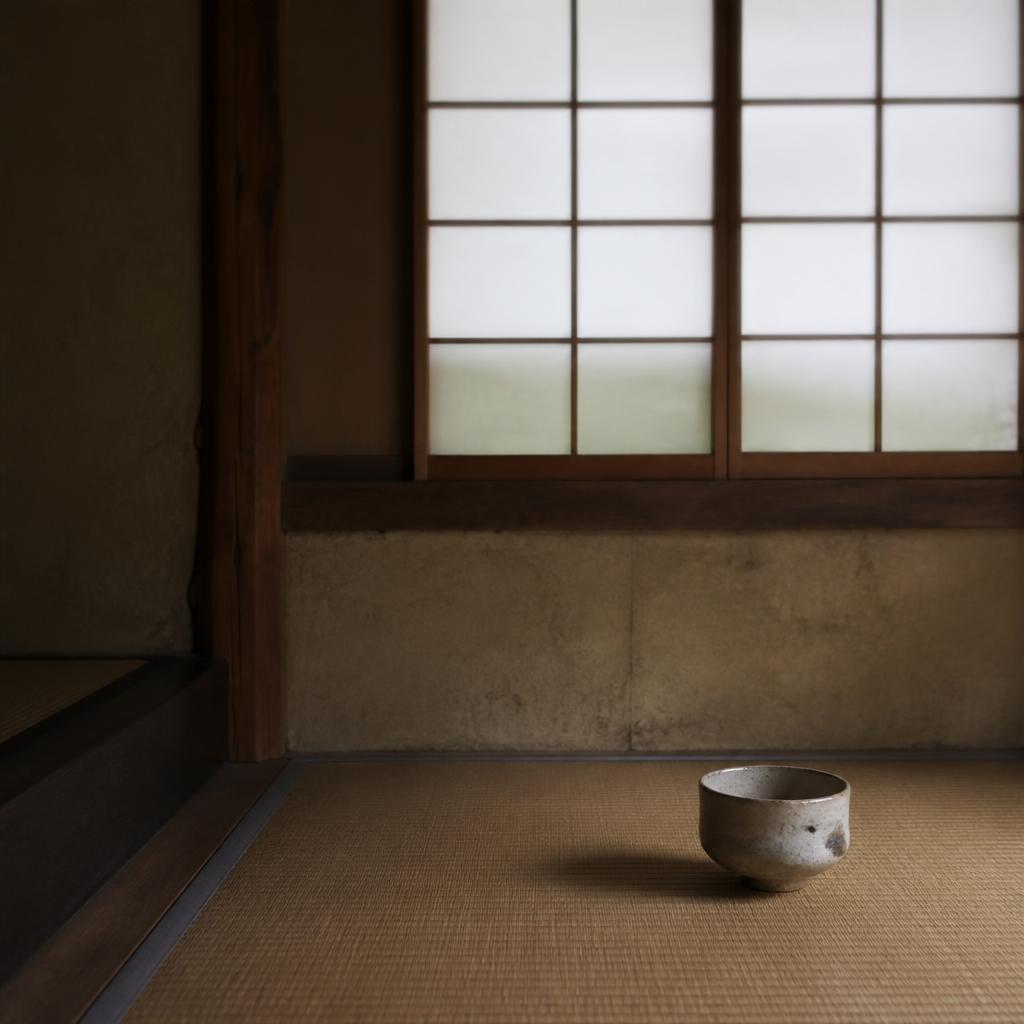
Chashitsu: the architecture of Japanese tea houses
Nijiriguchi, tokonoma, four and a half tatami mats: how chashitsu architecture focuses attention and serves the tea ceremony. HOLLIN analysis.
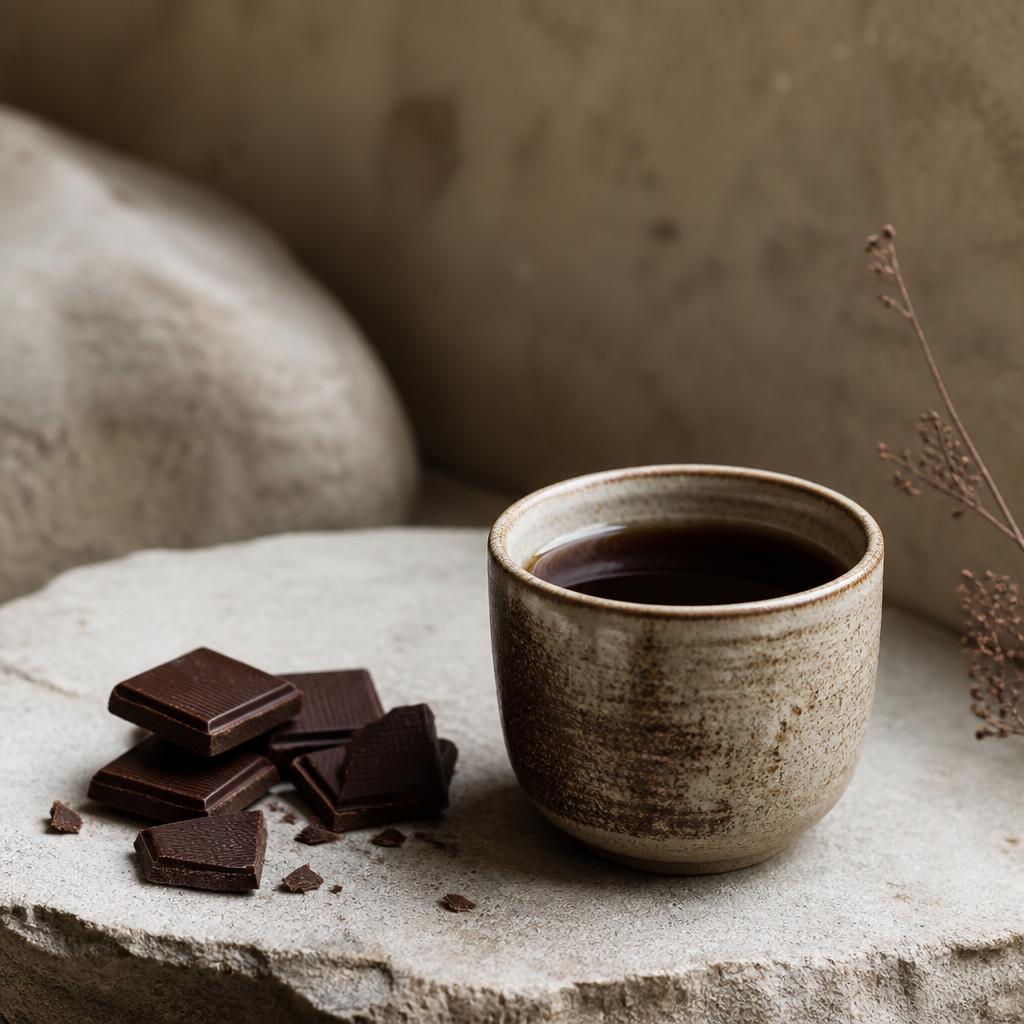
Tea and chocolate pairings: the technical guide
Tannins, fat and roasting: how to create a balanced pairing between tea and dark, milk or white chocolate. HOLLIN tasting guide.
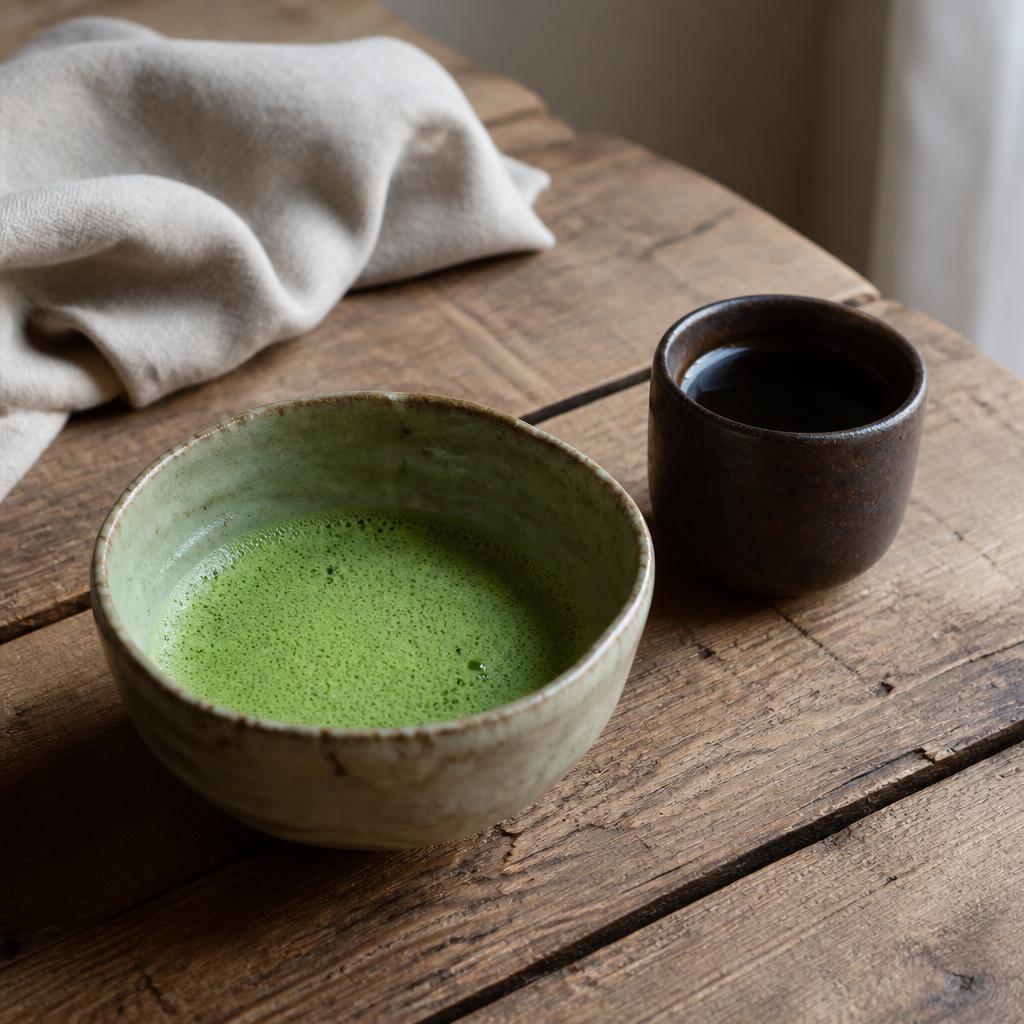
Matcha or coffee: which energy for the day ?
Spike versus plateau: a biochemical comparison of matcha and coffee in terms of caffeine, L-theanine, gastric acidity and the alertness curve. HOLLIN analysis.
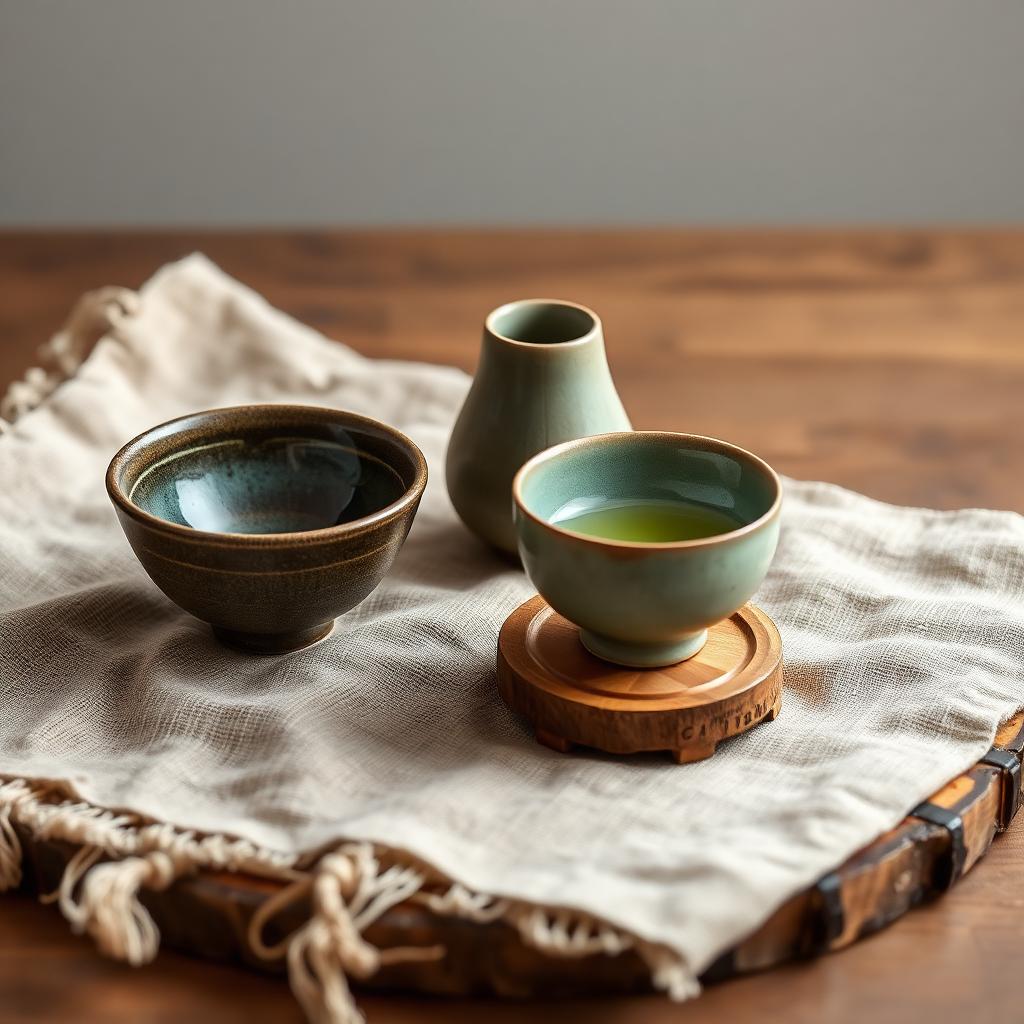
Chawan: why the shape of the bowl changes matcha
Diameter, depth, glaze: how the geometry of a chawan alters the foam, temperature and perception of matcha. HOLLIN technical guide.
Organic or conventional tea: what is in the cup
The tea leaf is never washed before infusion. An analysis of residues, the limits of organic certification and the purist sourcing method of the HOLLIN house.

Which tea to drink in the afternoon for concentration ?
Oolong, white tea, gyokuro: which tea supports afternoon concentration without compromising sleep. HOLLIN analysis of the caffeine and L-theanine pairing.
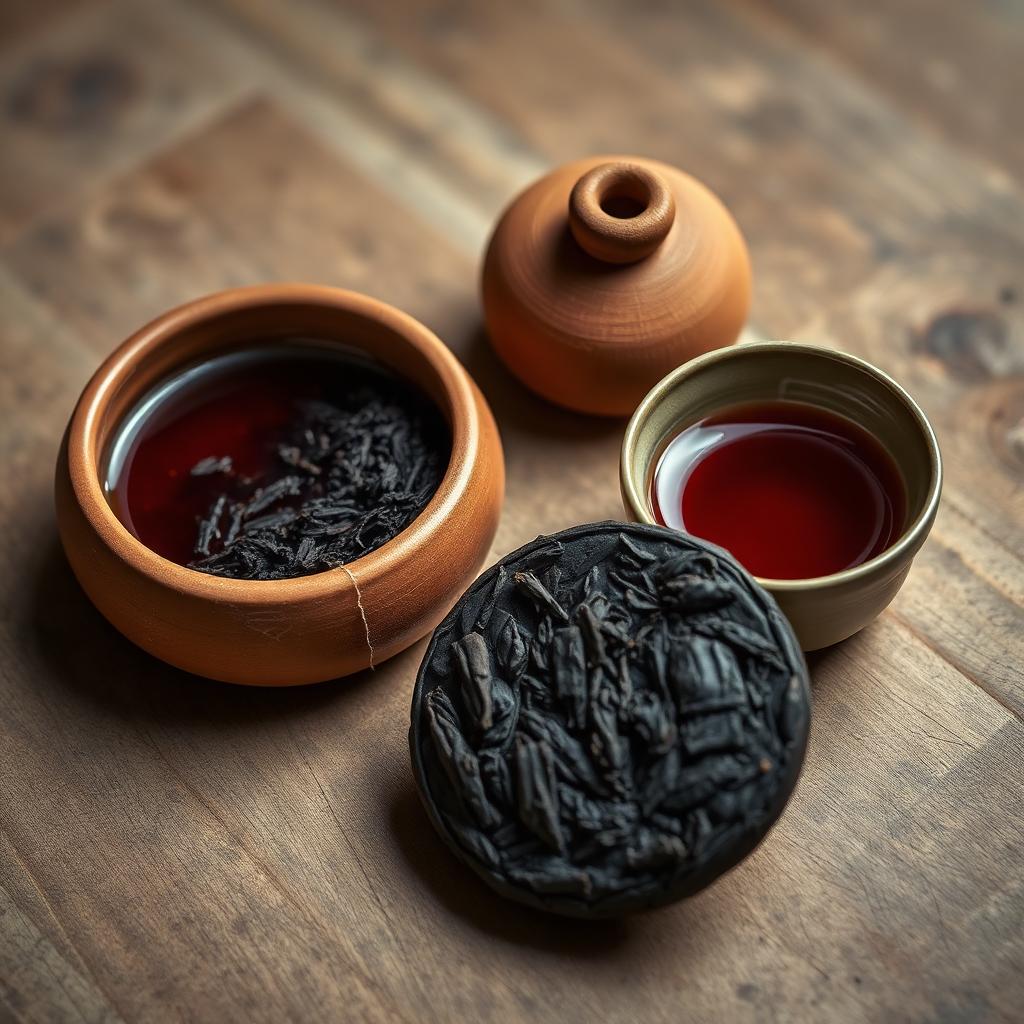
Pu-erh: dark post-fermented tea, sheng and shou
Microbial fermentation, sheng versus shou, cakes and ageing: the purist’s guide to Pu-erh, the only tea that truly improves with time.
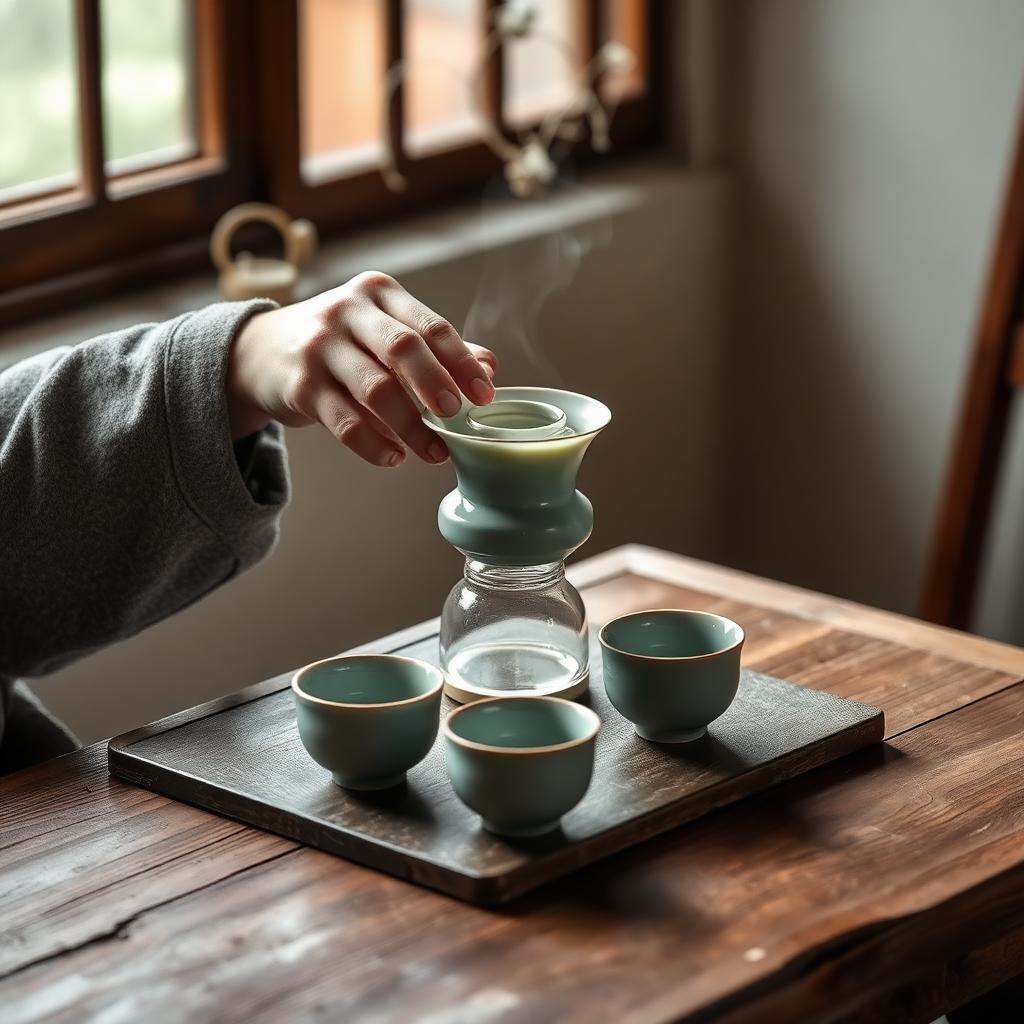
Cha Dao: what does the way of tea really mean ?
Cha Dao, chanoyu, gong fu cha: historical origins, aesthetic principles and the tangible translation of the way of tea into a rigorous daily practice.
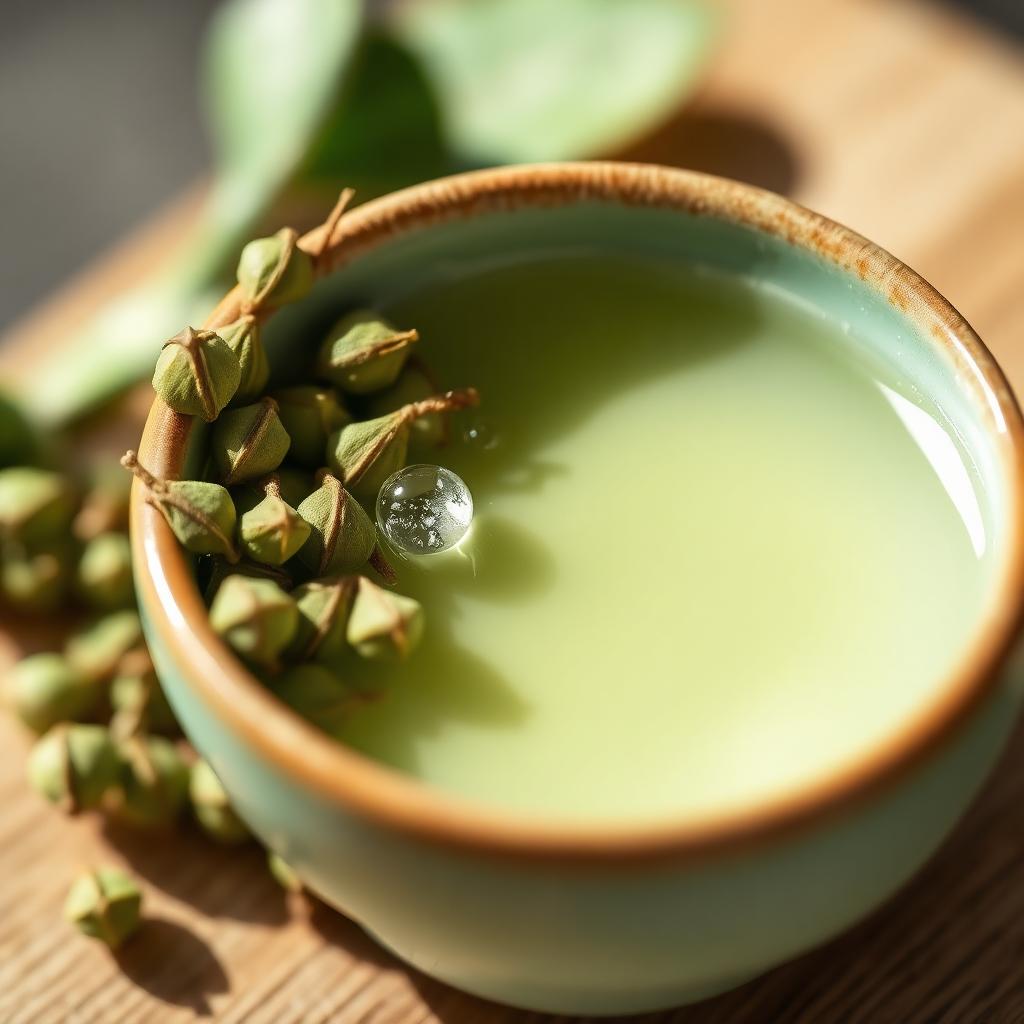
The sweetness of tea: L-theanine and amino acids
L-theanine, glutamine, soluble sugars: the biochemistry of tea’s sweetness, and the brewing adjustments that reveal it without ever sweetening the cup.
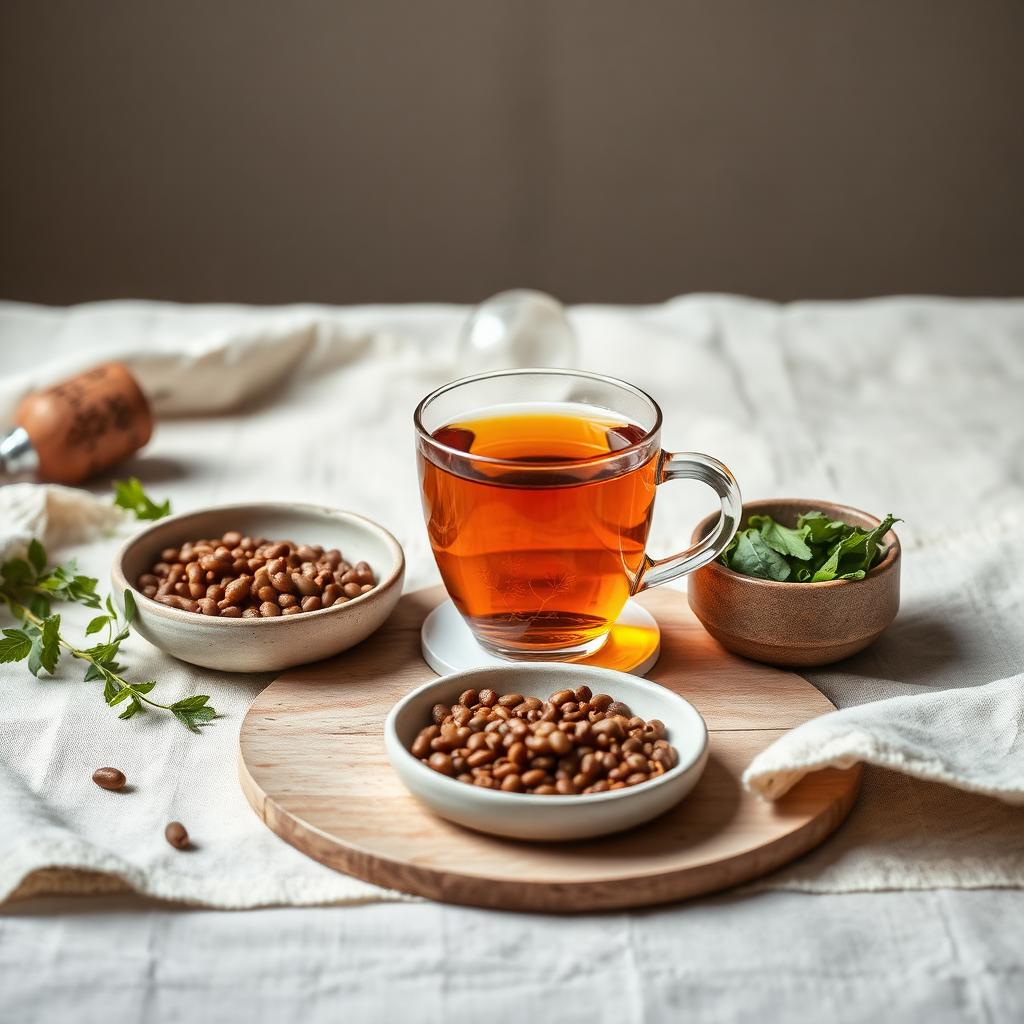
Tea and iron absorption: what biochemistry says
Tannins, heme and non-heme iron, vitamin C: what biochemistry truly establishes about tea and iron absorption, and how to adapt your practice.
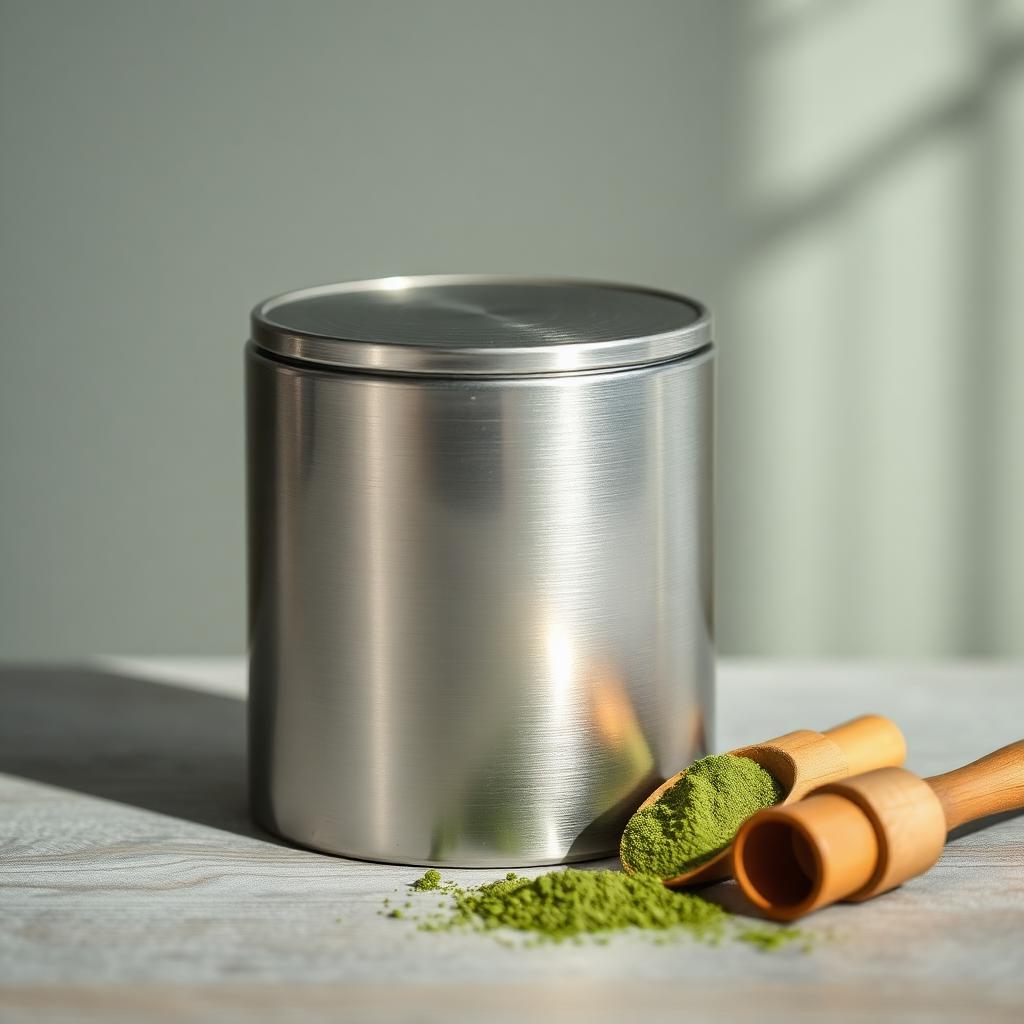
Storing matcha after opening: the method
Oxygen, light, heat and humidity degrade matcha within a few weeks. Purist storage method and signs of lost freshness.
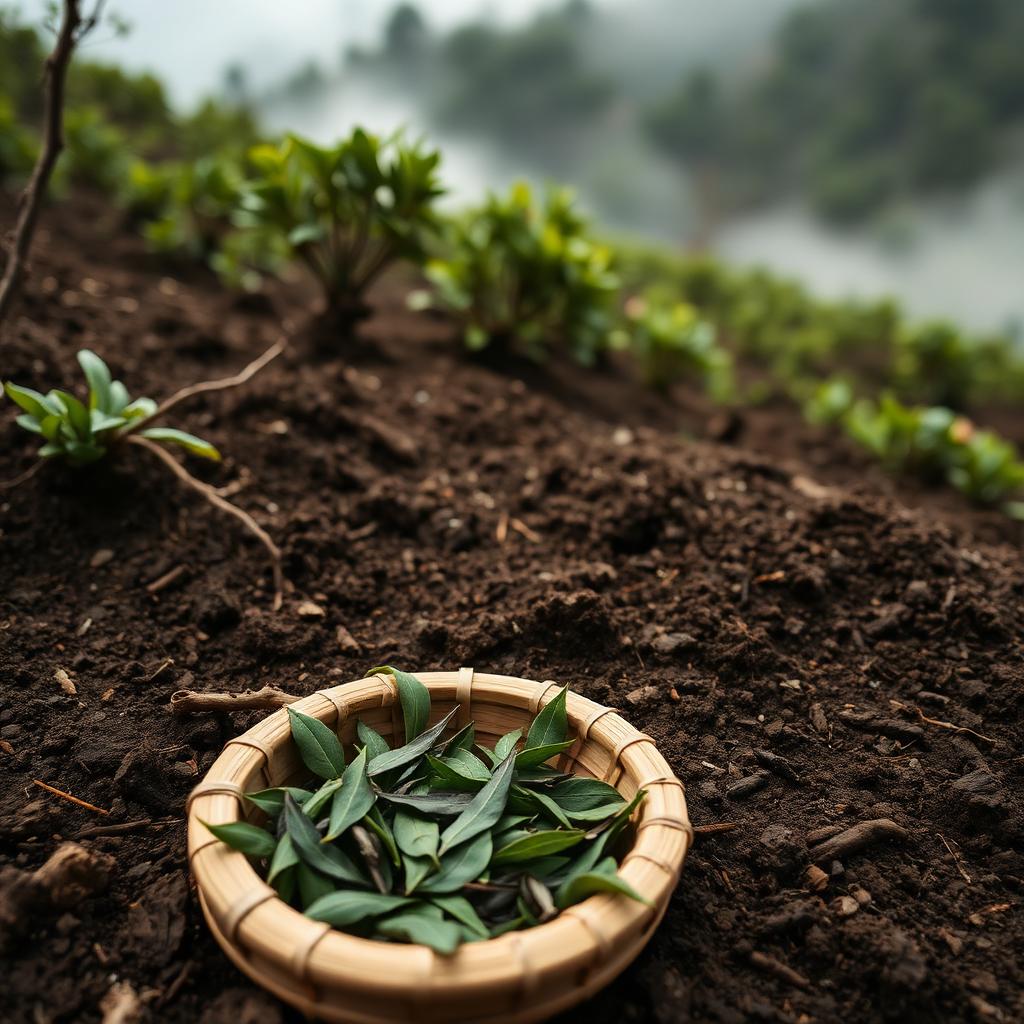
Tea terroir: soil, altitude, cultivar and taste
Soil, altitude, mists, cultivar: how terroir shapes the biochemistry of Camellia sinensis and defines the taste of a pure whole-leaf tea.

Quick homemade iced tea: the thermal shock method
Thermal shock, overdosing, catechin control: the purist’s method for homemade iced tea ready in three minutes, clear and without bitterness.
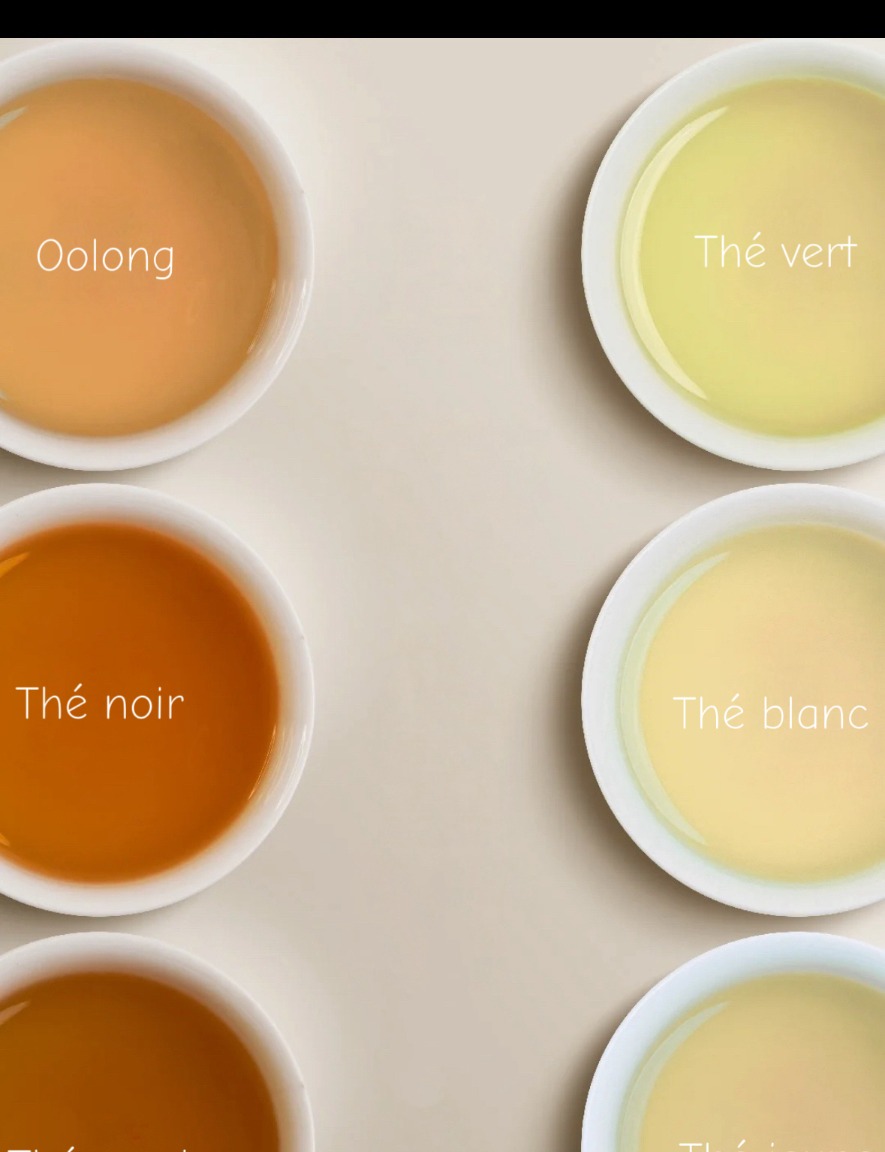
Long or short infusion: what time changes
Infusion time governs the extraction of tannins, amino acids and caffeine. Purist method and timing guidelines for each tea family.

The Tea Horse Road: A historic epic
Journey along the Tea Horse Road, this thousand-year-old trade network that shaped Pu-erh tea culture.
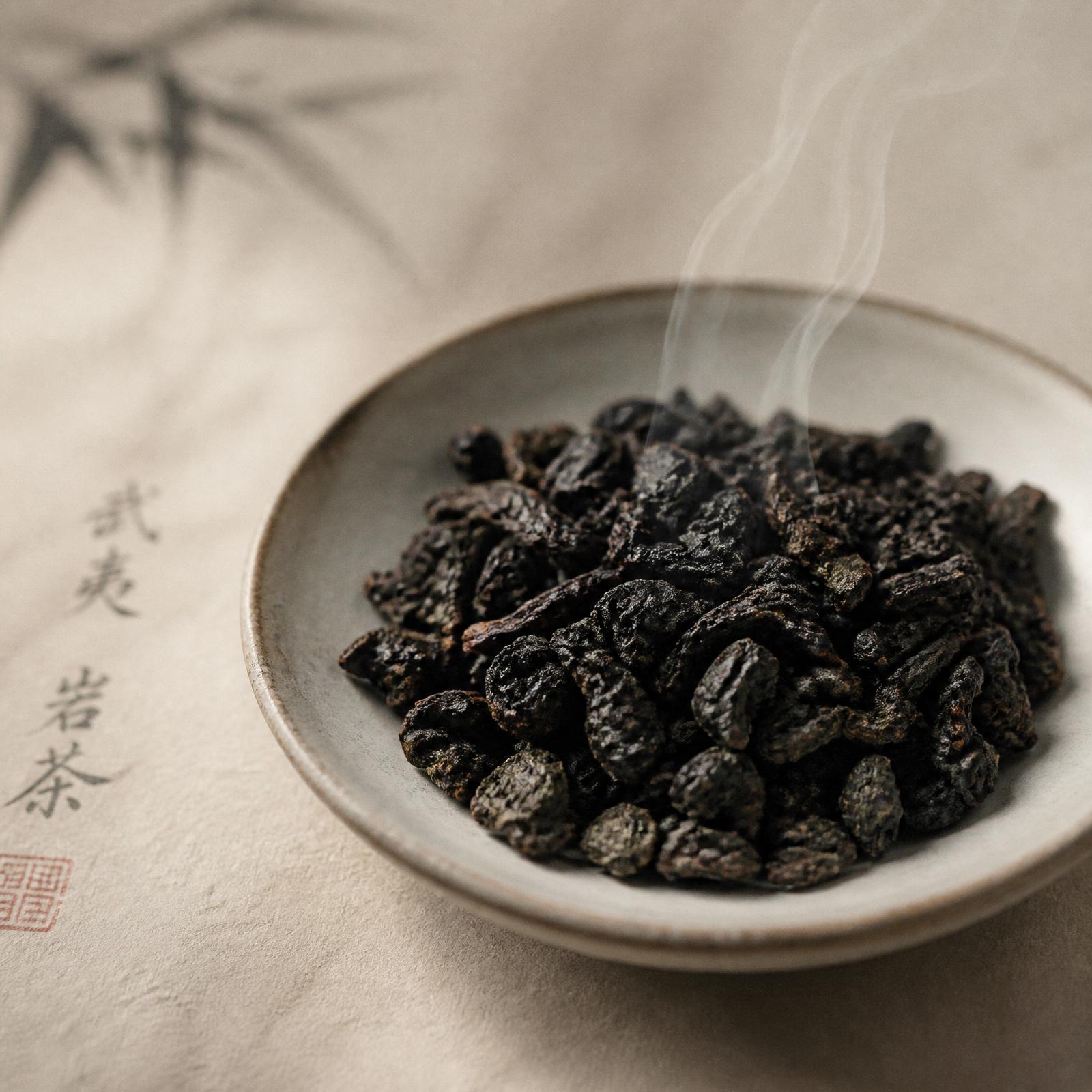
Pyrogenic notes in tea: where does the roasted taste come from ?
A pyrogenic note is neither a defect nor an added flavour: it is the signature of heat mastered by the artisan. Technical explanation.
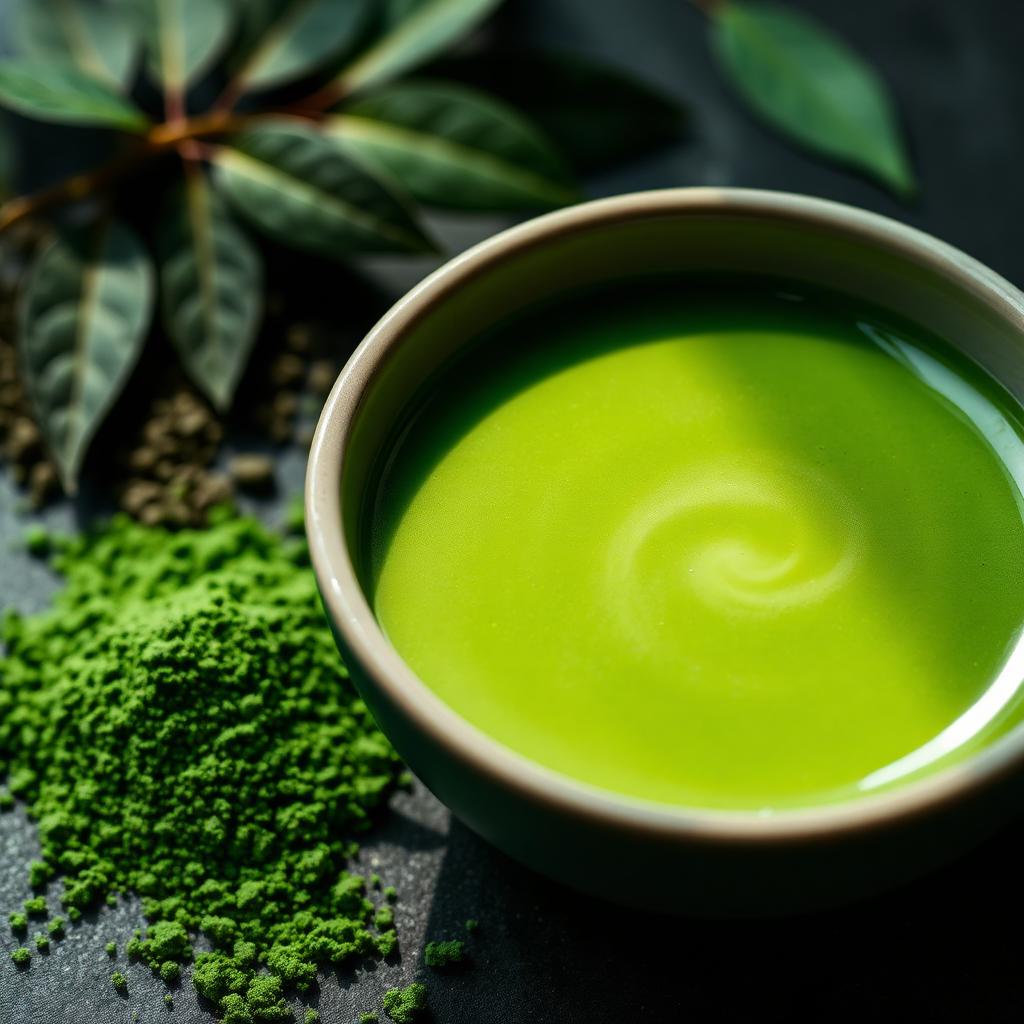
L-theanine in matcha: the secret of serenity
An amino acid unique to Camellia sinensis, L theanine explains the soothing effect of matcha. Here is what it really does.
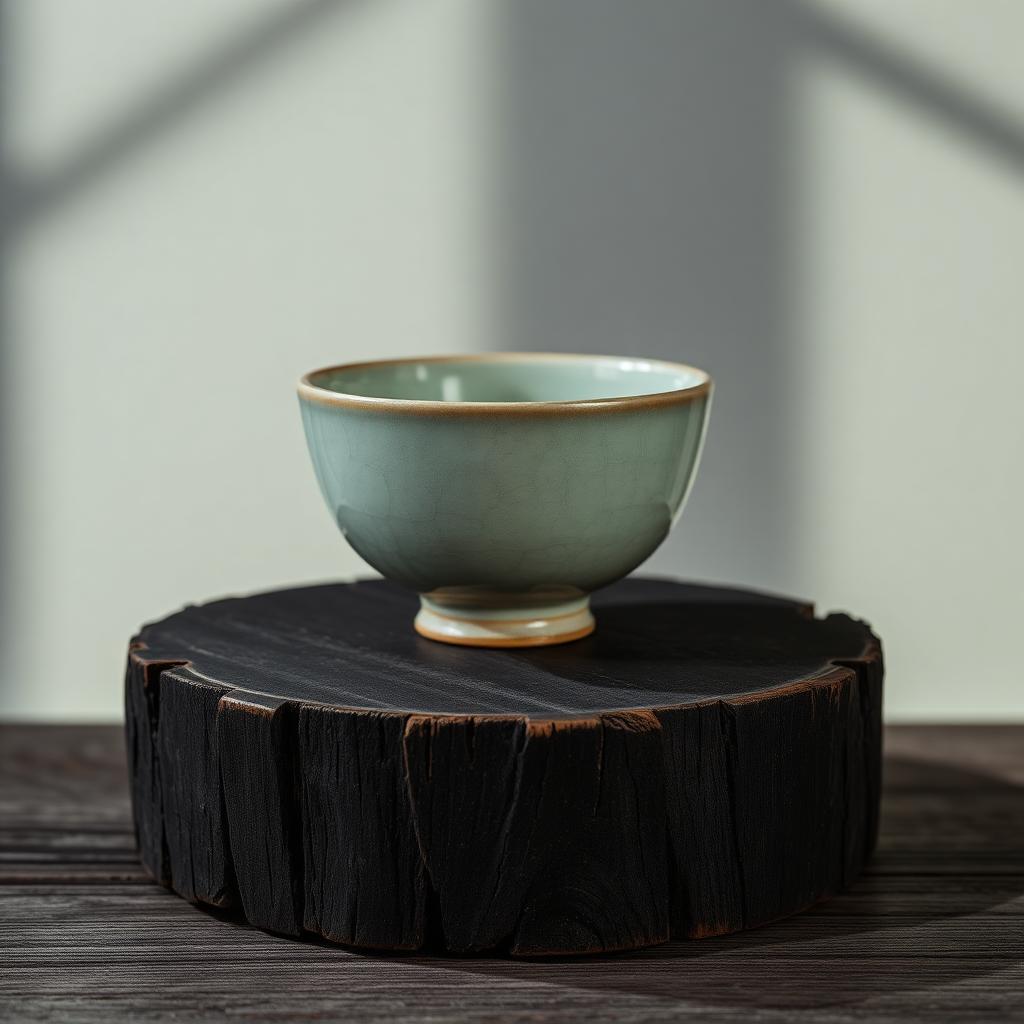
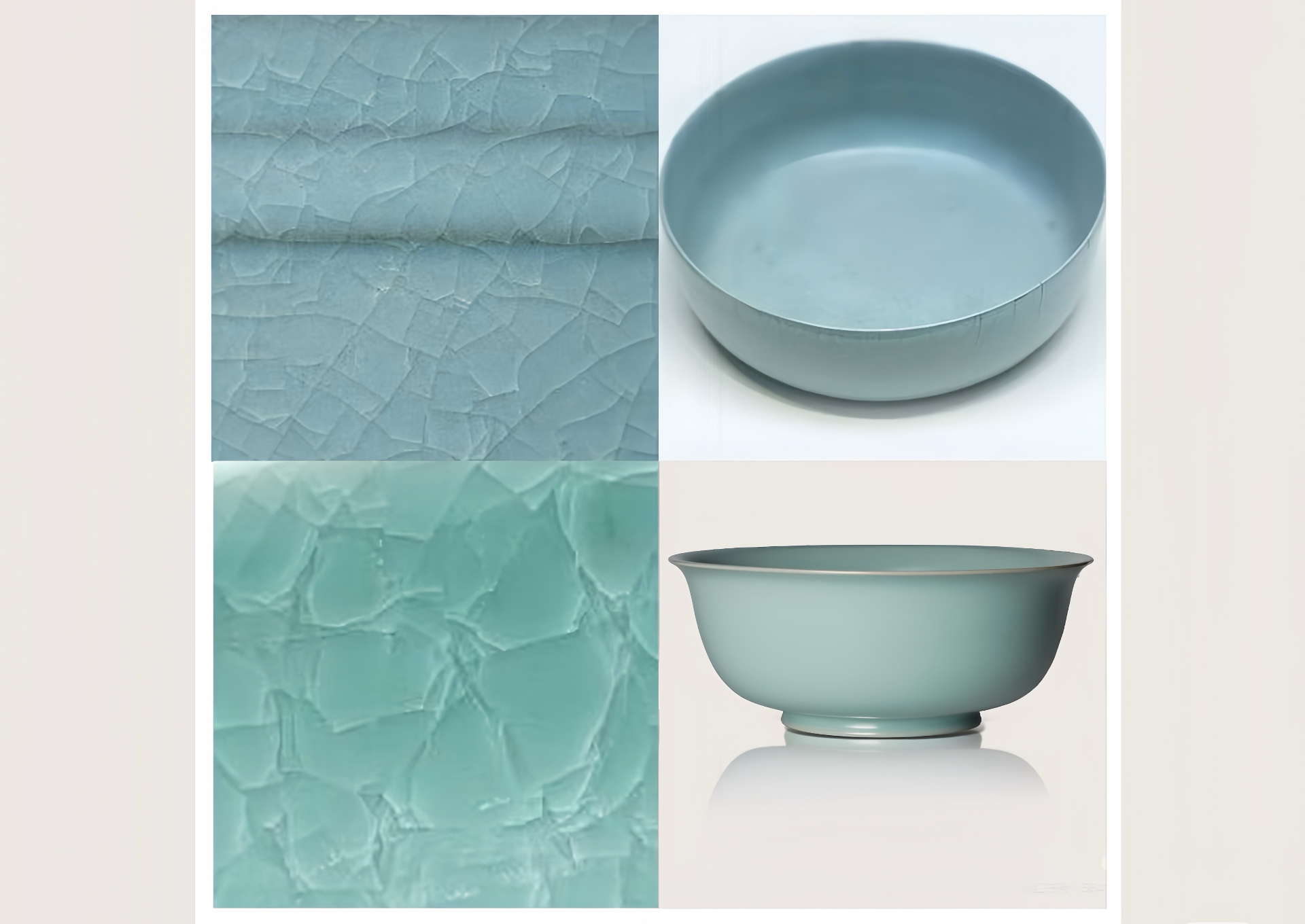
Celadon ceramic: the beauty of jade in your teapot
Celadon glaze, the history of Ru porcelain, impermeability: why celadon reveals green teas so beautifully.
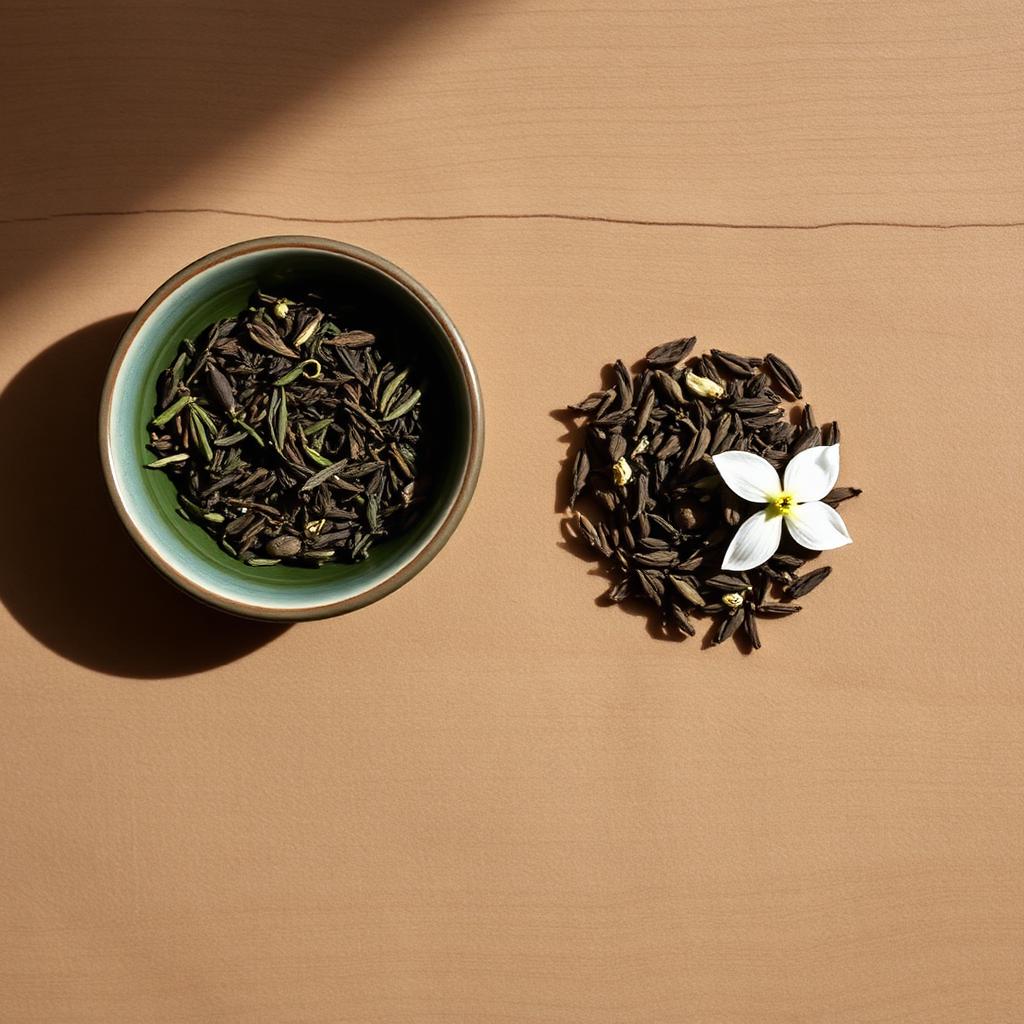
Pure Tea vs Flavored Tea: What are the differences?
Discover the differences between pure tea, respectful of its terroir, and flavored tea. How to choose according to your preferences.
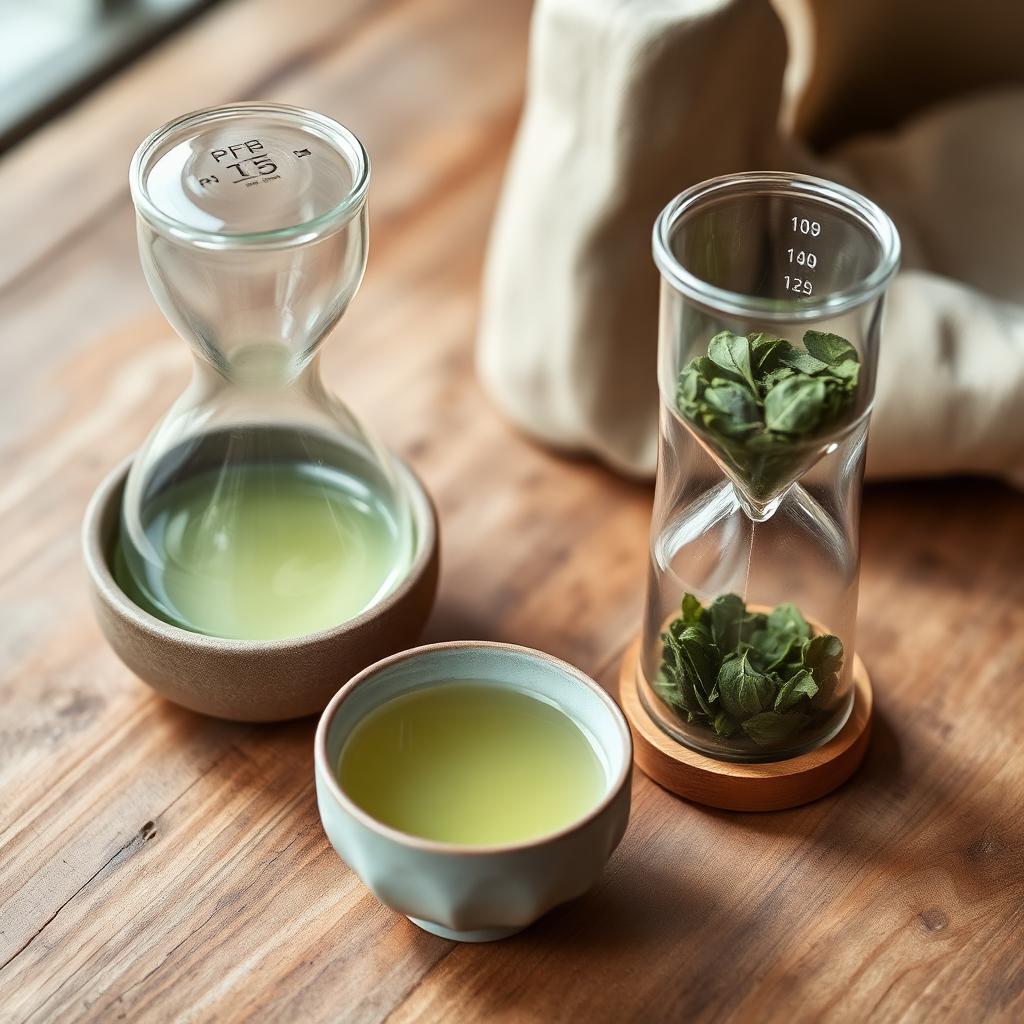
What is the ideal infusion time for green tea?
Avoid bitterness and reveal the subtlety of your green teas with our advice on the perfect infusion time according to water temperature.
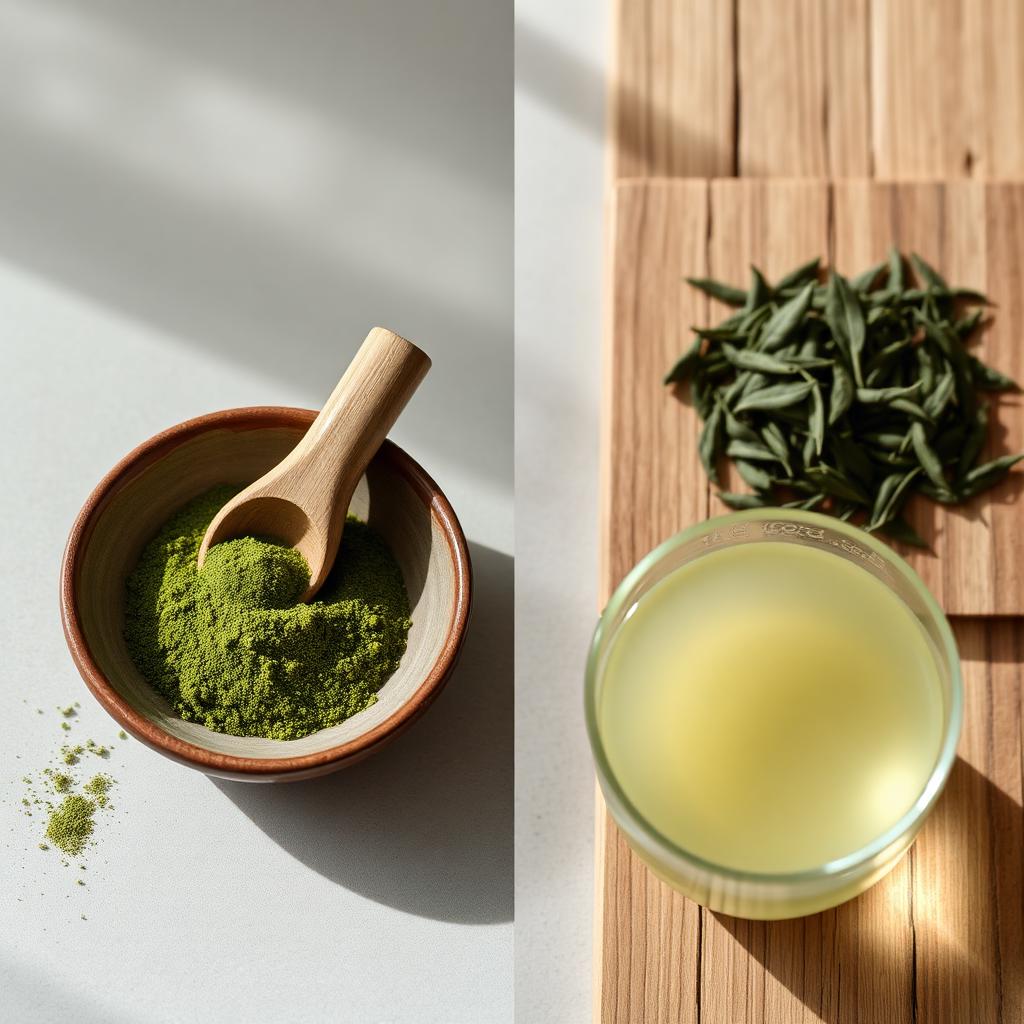
Matcha or Classic Green Tea: What is the real difference?
Although both come from the tea plant, matcha and green tea differ in their cultivation, preparation and benefits. The complete comparative guide.
Wabi Sabi: the aesthetic of imperfection in the art of tea
Irregular ceramics, seasoning, the passage of time: Wabi Sabi applied to the daily ritual of tea.
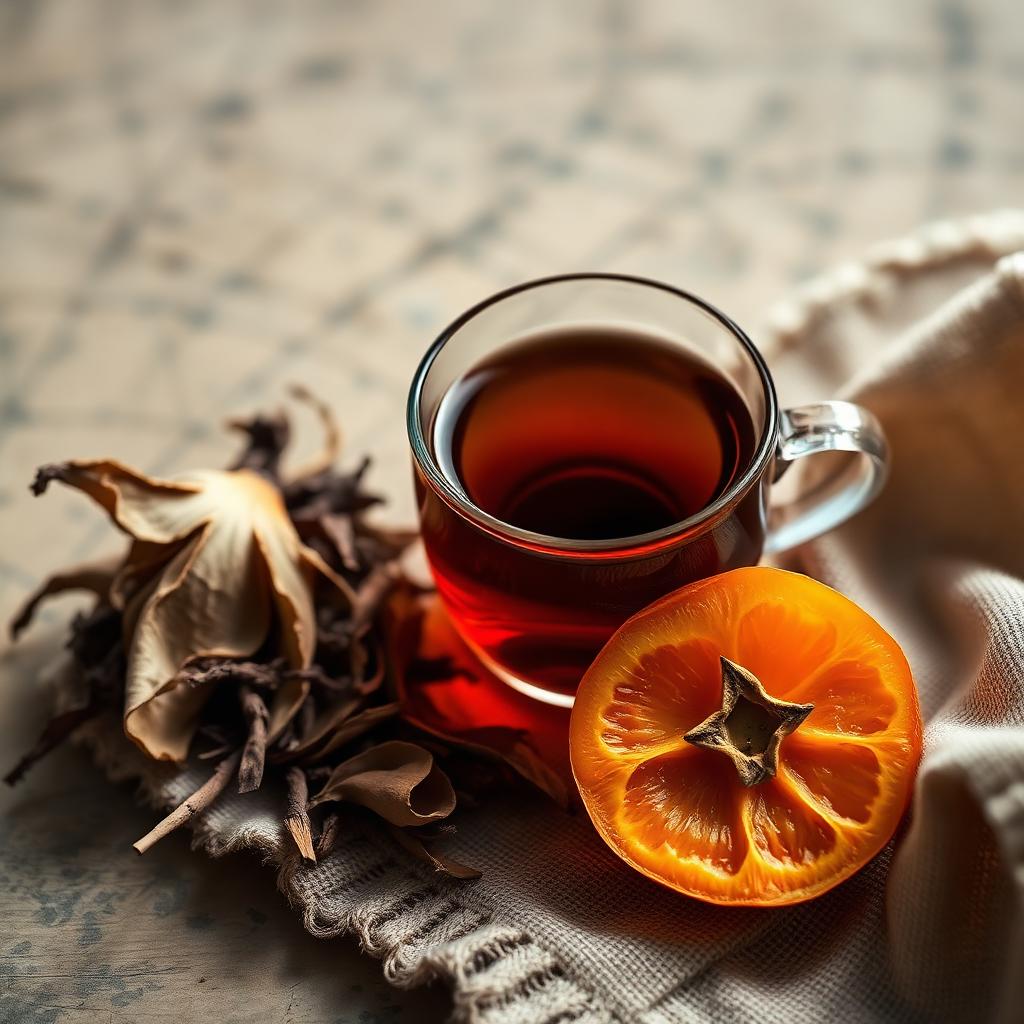
What is astringency in tea ?
Bitterness, tannins, polyphenols: understanding astringency, recognising it and adjusting it through temperature and infusion time.
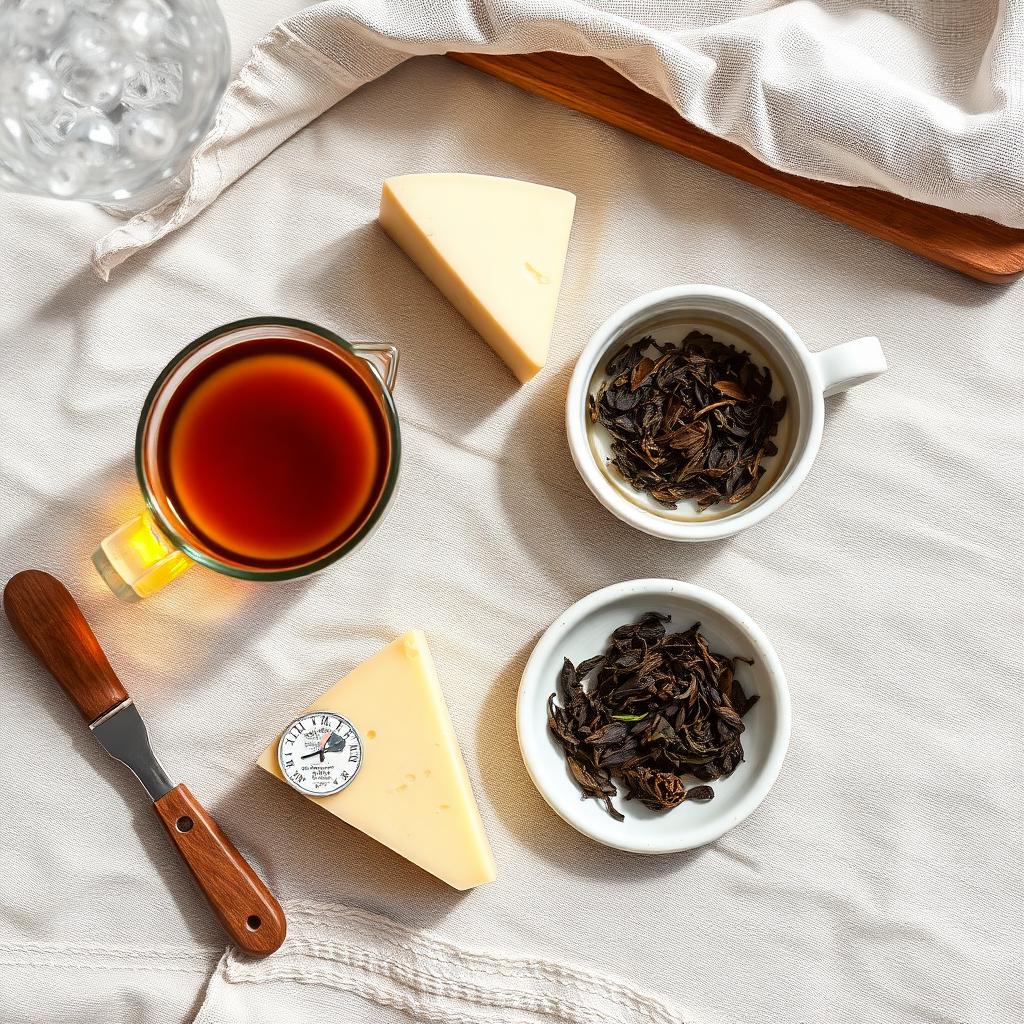
Food and tea pairings: dare to pair tea and cheese
Retronasal olfaction, tannins, thearubigins: the principles of pairing tea and cheese, with proven combinations.
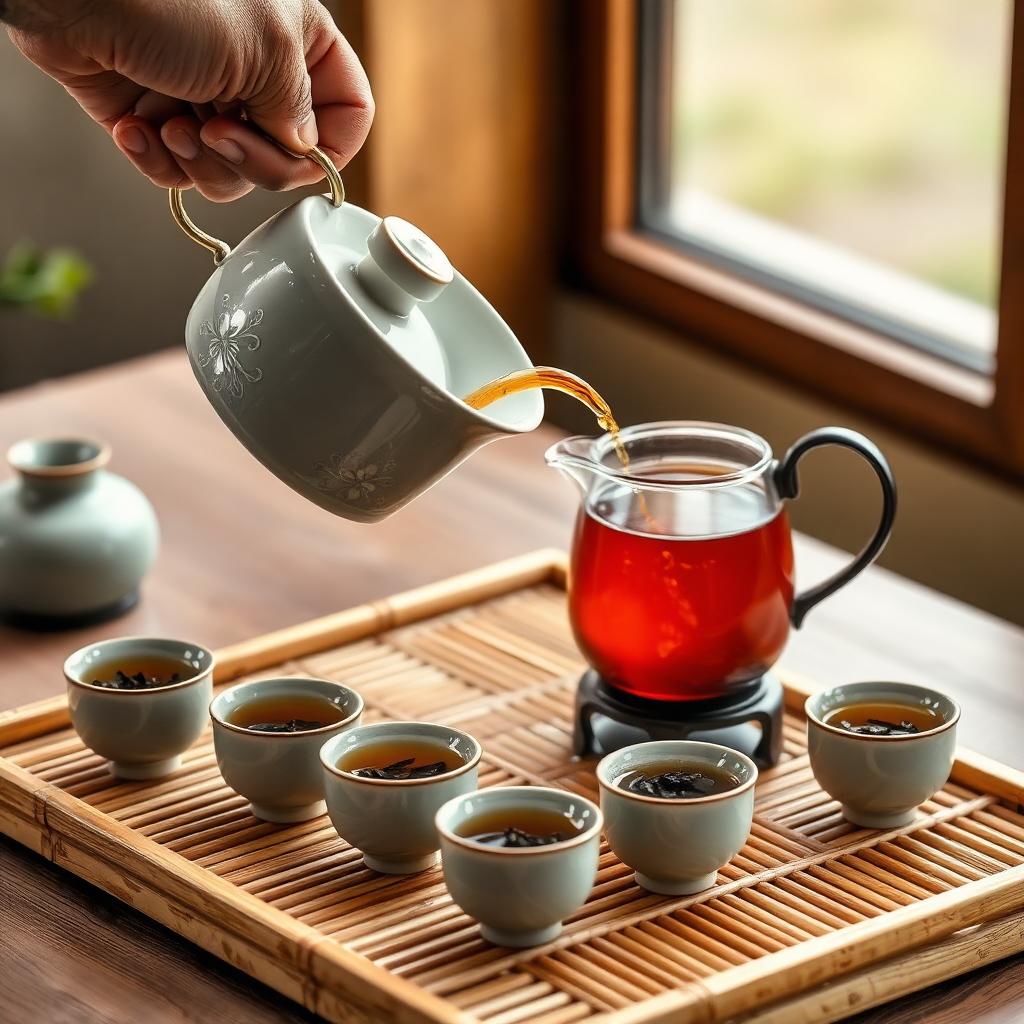
Gong Fu Cha: mastering the art of tea tasting
Gaiwan, Yixing, short infusions, successive re extractions: the Chinese method that truly reveals Grand Cru teas.
Rooibos: the true caffeine-free alternative for the evening
Aspalathus linearis, honey aromas, zero caffeine: why rooibos is the most honest infusion for extending the evening without insomnia.
Should you store your matcha in the refrigerator ?
Fine powder, rapid oxidation, condensation: the true rules for storing premium matcha to preserve its colour and vibrancy.
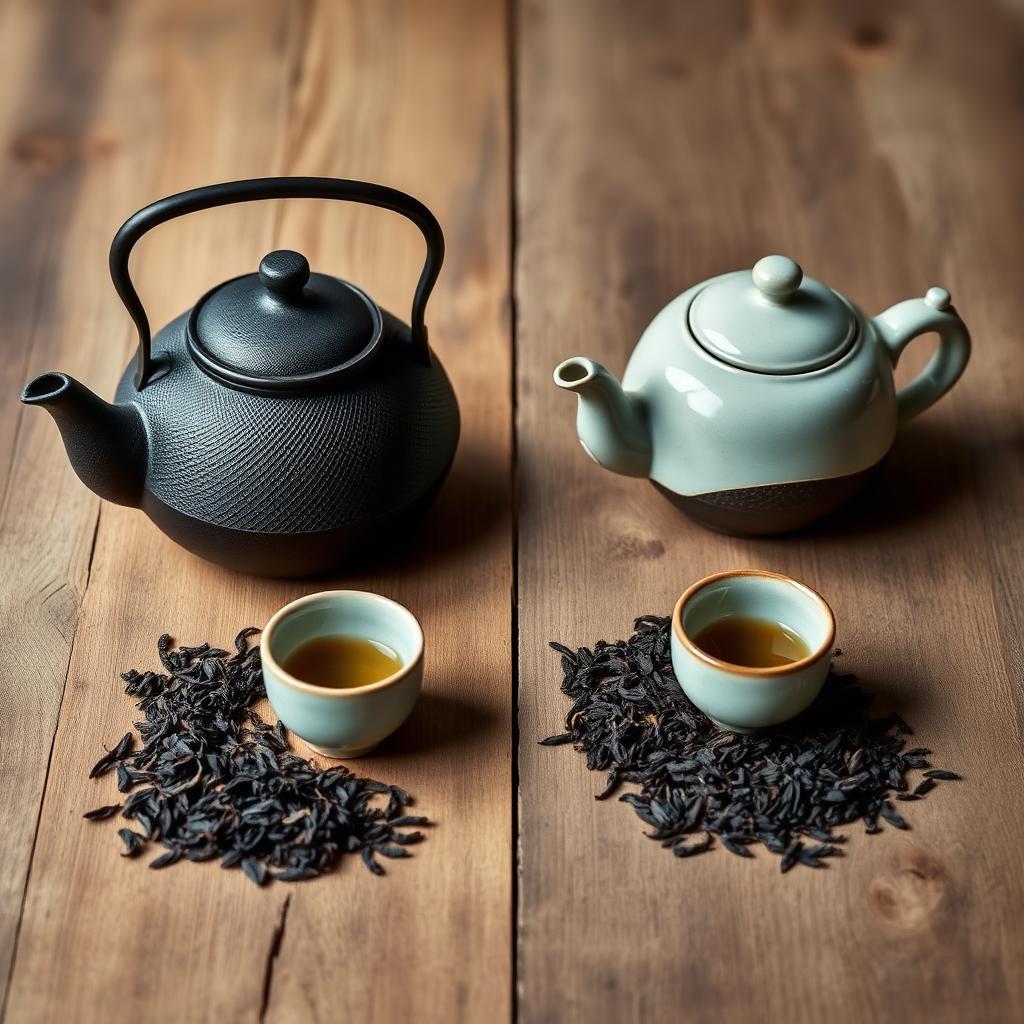
Cast-iron or ceramic teapot: how to choose
Cast-iron Tetsubin or ceramic Kyusu: an honest comparison to choose the right tool for your tea families.
Black tea and digestion: the natural ally after a meal
Theaflavins, thearubigins, tannins: what black tea brings to the digestion of rich meals, and why it is a useful replacement for coffee.
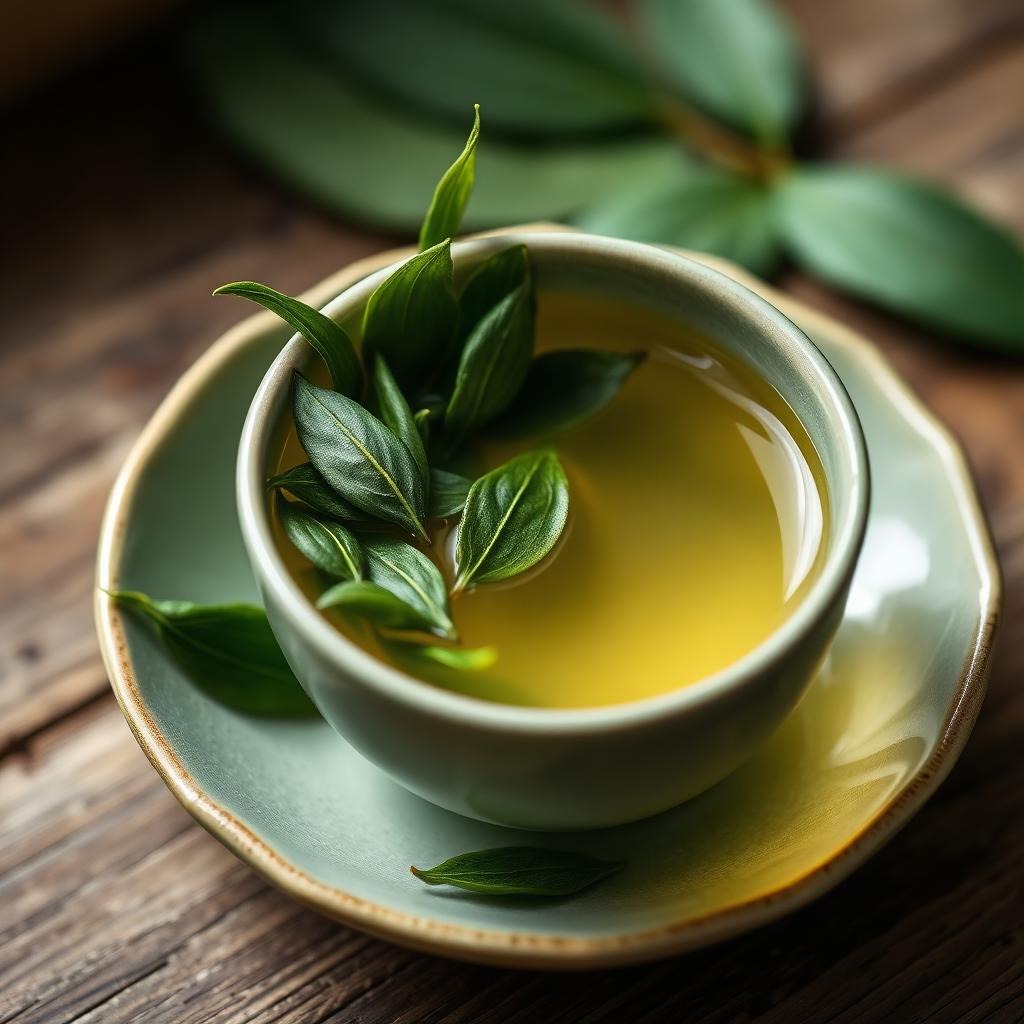
Benefits of green tea: what science really says
Catechins, EGCG, L-theanine, antioxidants: the true effects of green tea on the body and how to brew it to preserve them.
Matcha vs green tea: understanding the real differences
Shading, chlorophyll, L-theanine, method of consumption: why matcha is not ground green tea.
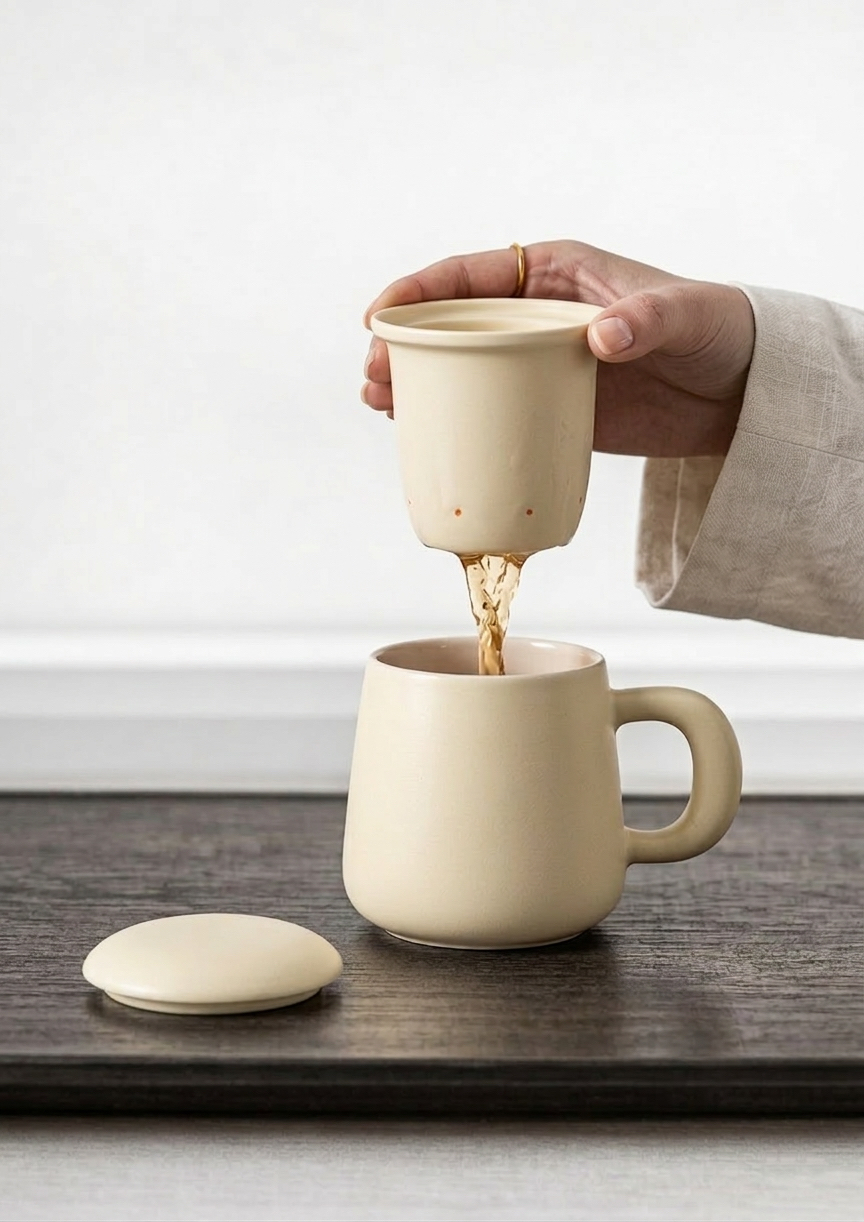
Which water should you choose to infuse a specialty tea ?
Dry residue, limescale, pH, temperature: the chemical and sensory guide to choosing water that reveals a pure whole-leaf tea.
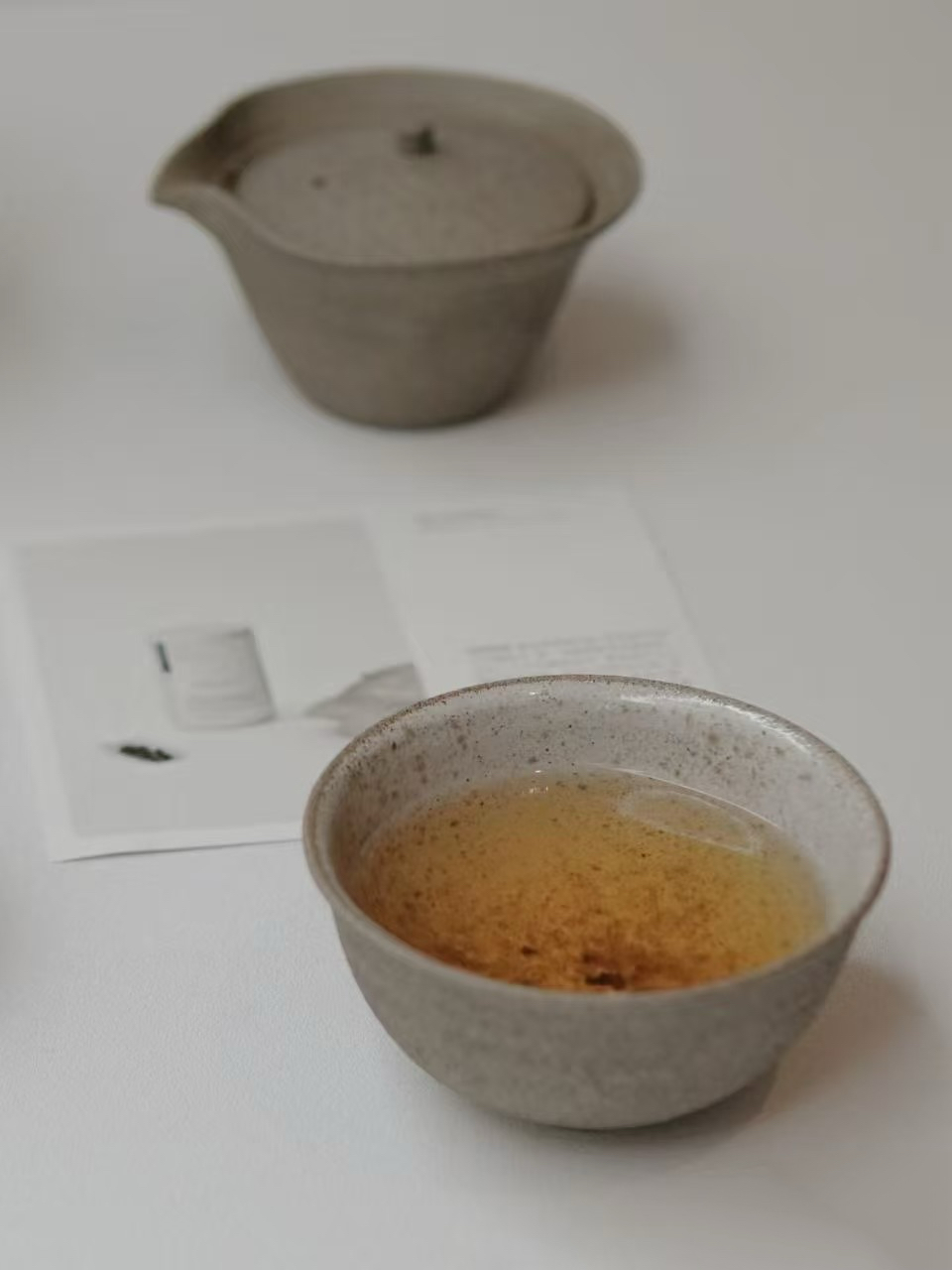
Artisanal ceramic teapot: the companion to your teas
Memory clay, thermal inertia, seasoning: what artisanal ceramics bring to a pure whole-leaf tea.
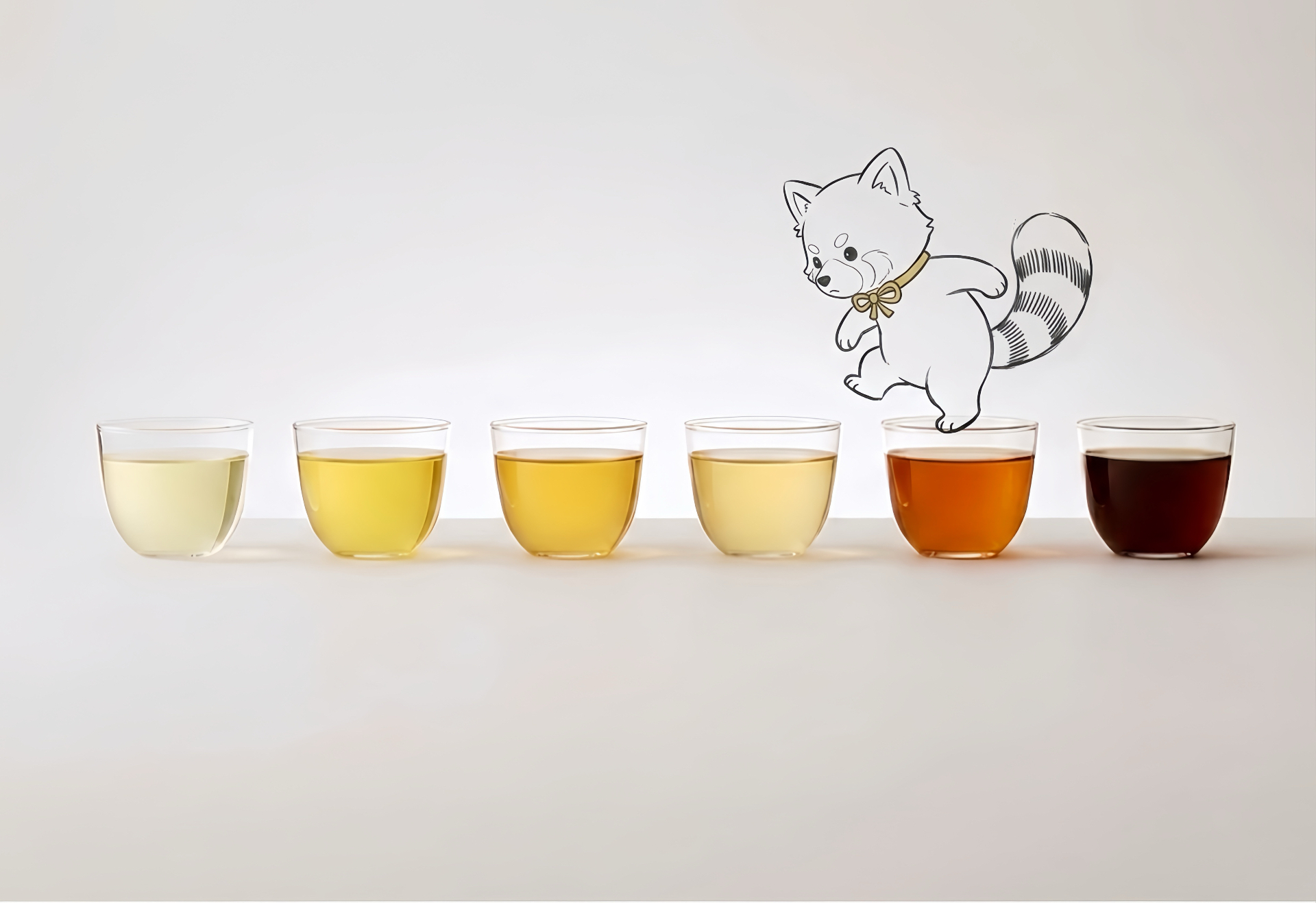
Loose-leaf tea vs tea bags: the whole leaf changes everything
Tea dust, fannings, whole leaves: what loose-leaf tea brings to the liquor and why quality begins in the bag.
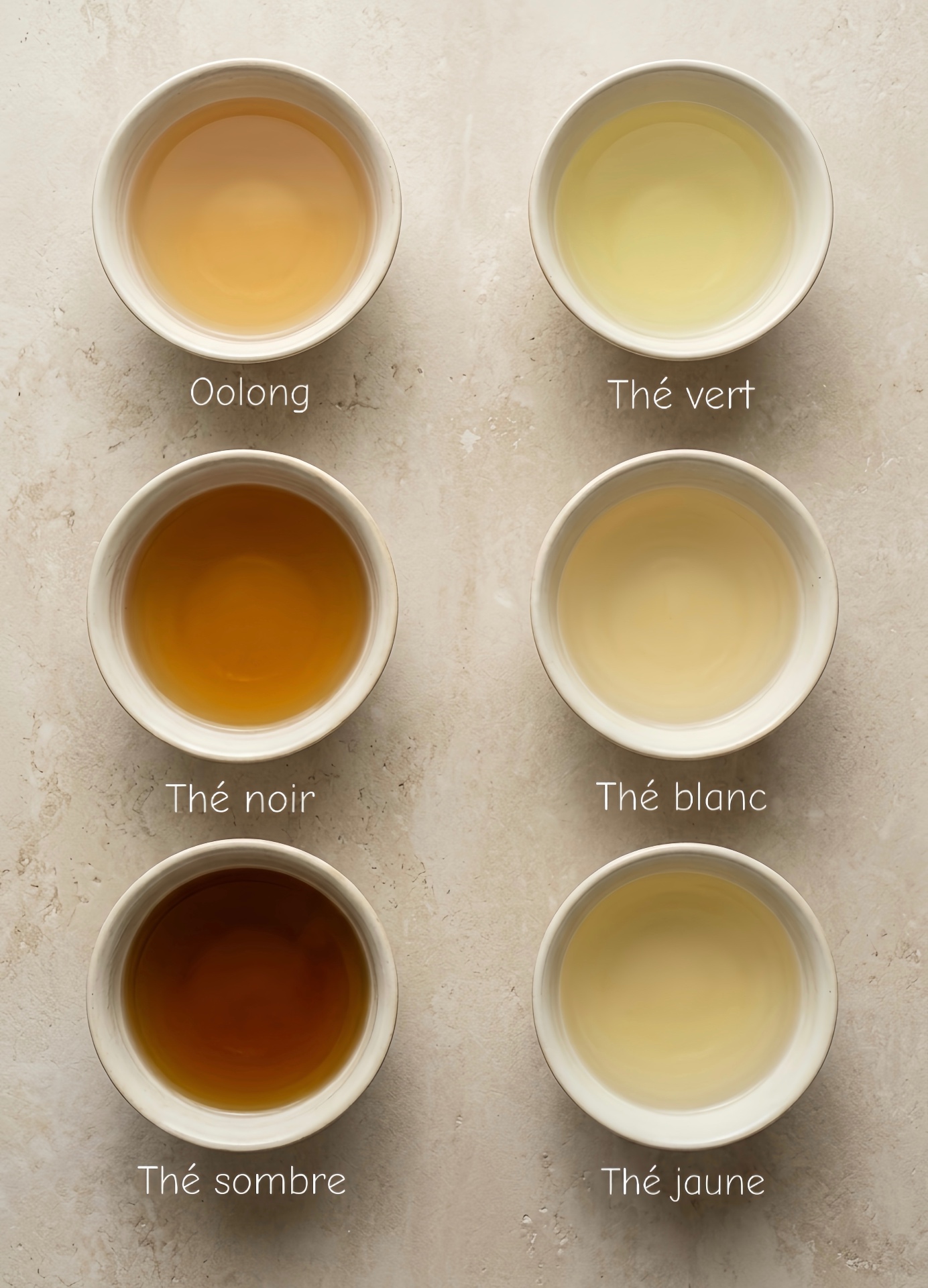
White tea or black tea: the difference lies in oxidation
White tea and black tea come from the same Camellia sinensis leaf. Only enzymatic oxidation sets them apart. A purist explanation rooted in pure tea.

The origins of tea: the legend of Shennong
In 2737 BCE, Shennong, the Divine Farmer, discovers Camellia sinensis as an antidote. Origins, Chinese pharmacopoeia and the purity of tea.
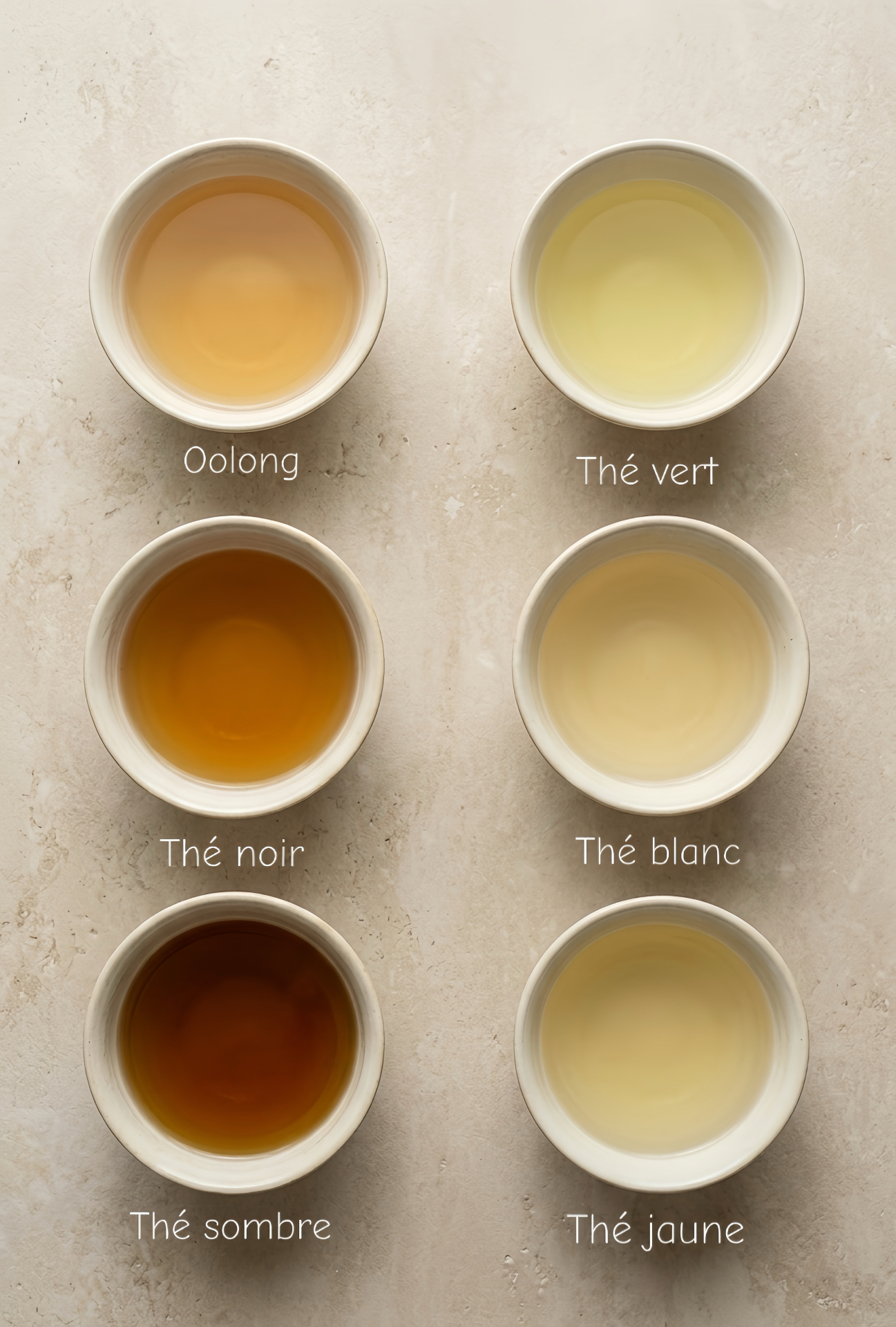
Umami: the secret of the fifth taste in tea
Umami is the fifth taste, identified in Japan in 1908. Glutamic acid, L-theanine and shading the tea plants explain its presence in tea.
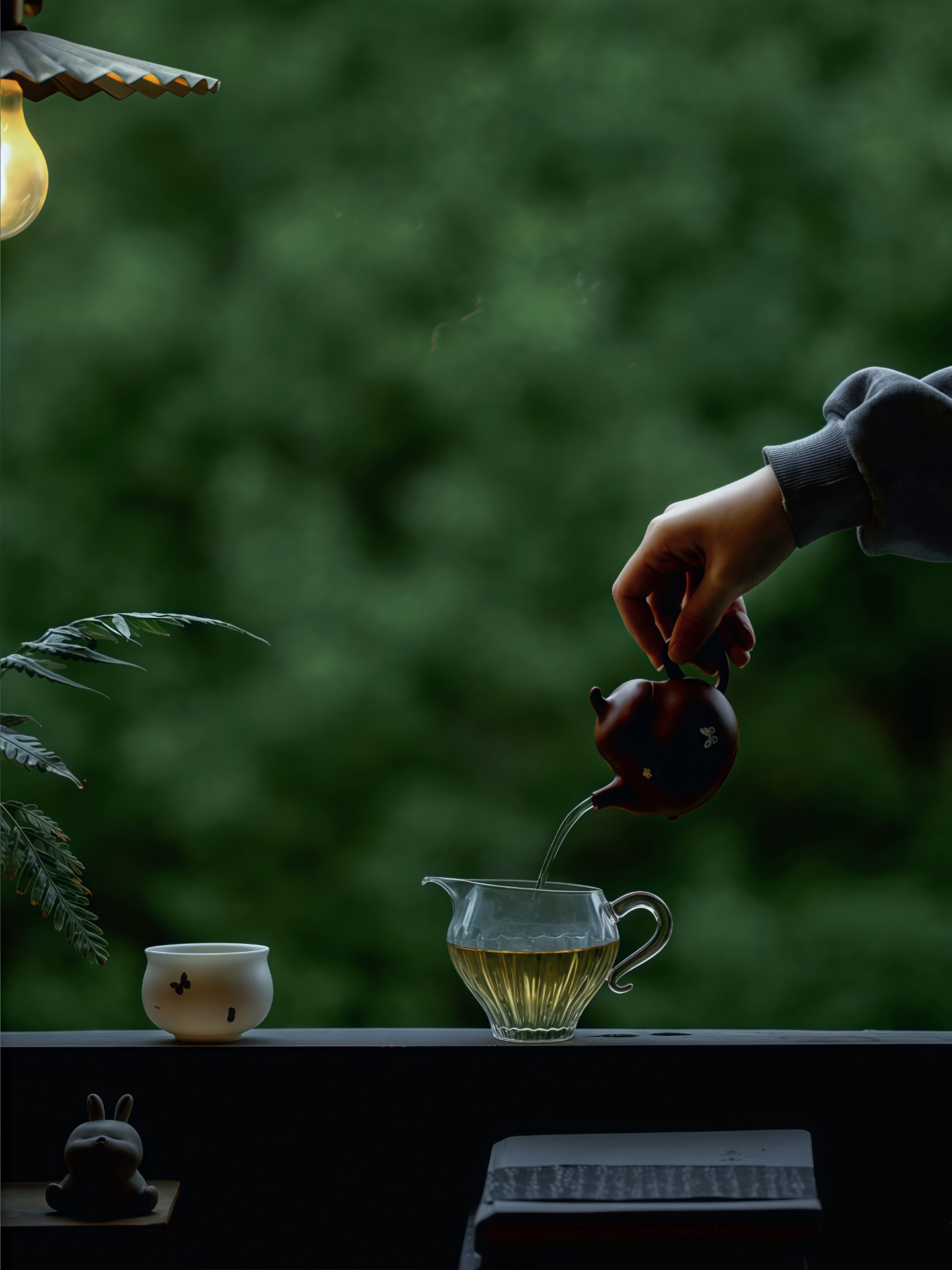
Theine and caffeine: are they the same thing?
Theine and caffeine are a single molecule, 1,3,7 trimethylxanthine. Tannins and L-theanine explain why tea awakens without jarring.
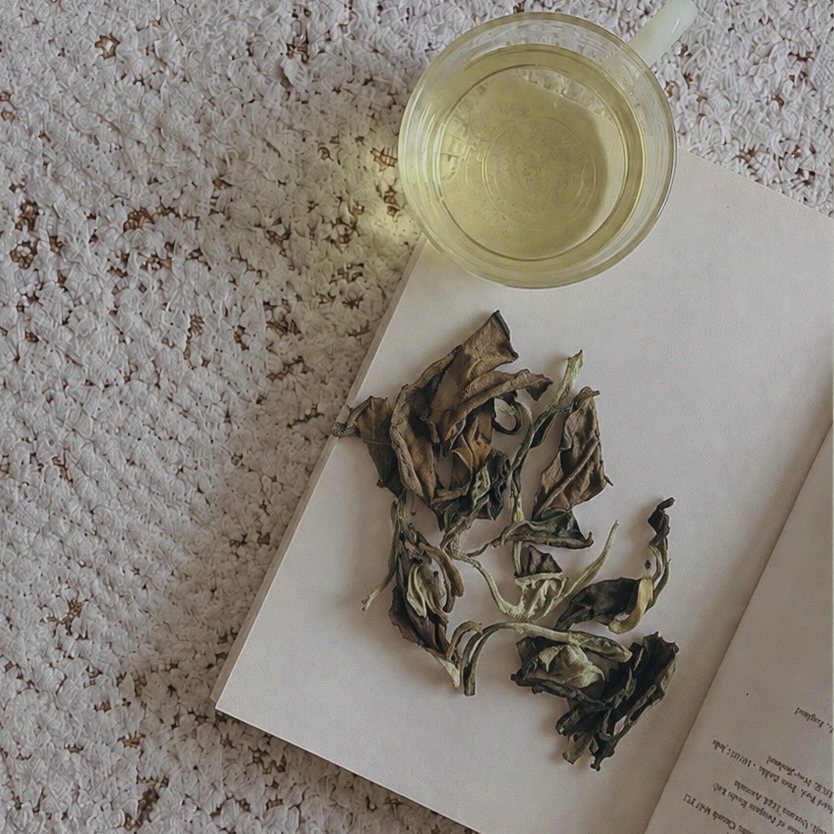
Storing your tea: a guide to protecting the leaf
Light, humidity, air, odours: our tips and airtight caddies to preserve the aroma of pure loose leaf teas.
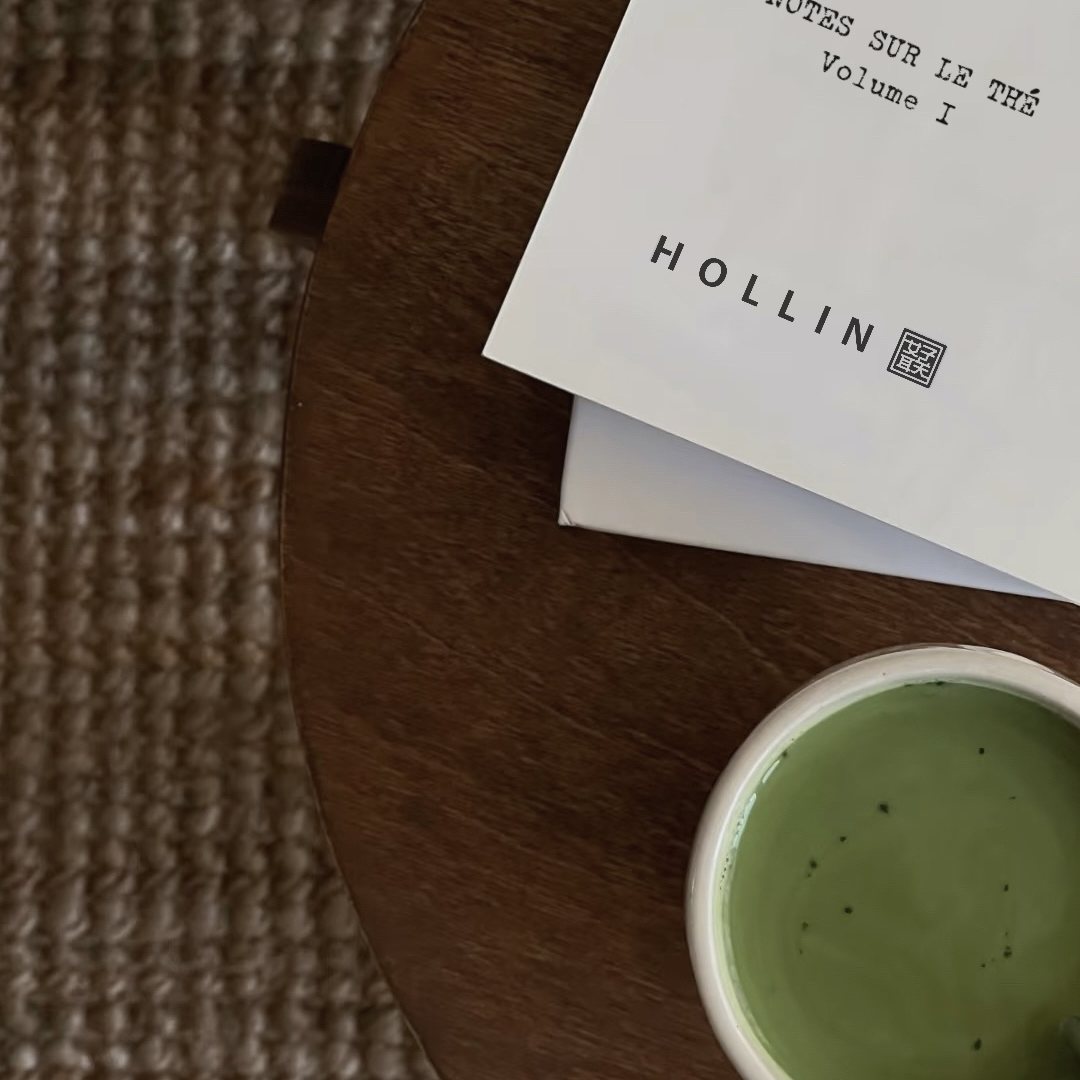
Tea leaf vs Matcha: the fundamental differences
Shading, stone grinding, umami: what really sets matcha apart from a loose leaf green tea.

Which tea to choose in the morning? The art of a gentle awakening
Caffeine, tannins, Hunan black teas, green teas and matcha: the HOLLIN guide to choosing your morning tea.
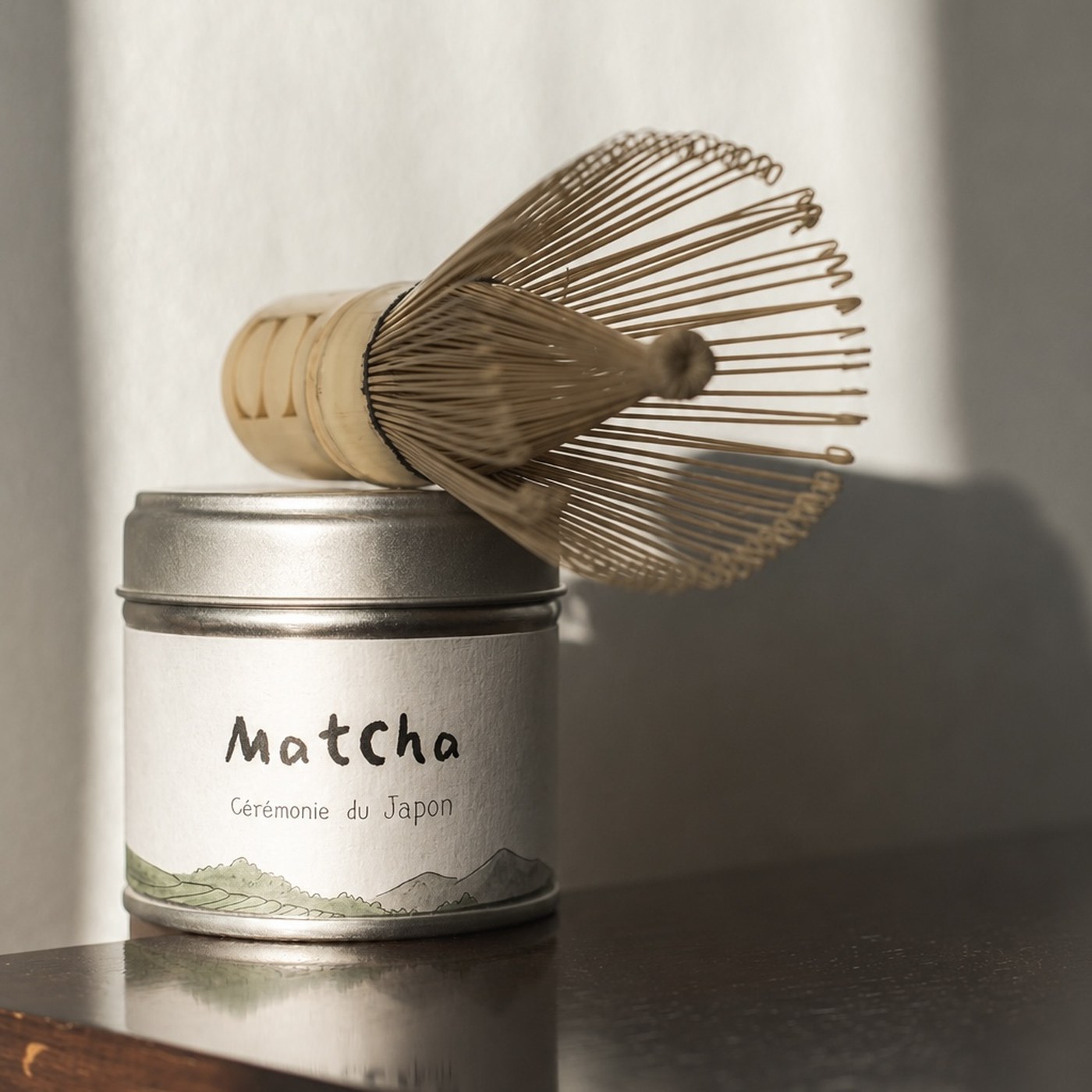
How to prepare matcha tea: the importance of gesture and time
Grades, tools, dose, temperature, gesture: a complete guide to preparing matcha pure, as a latte or iced.
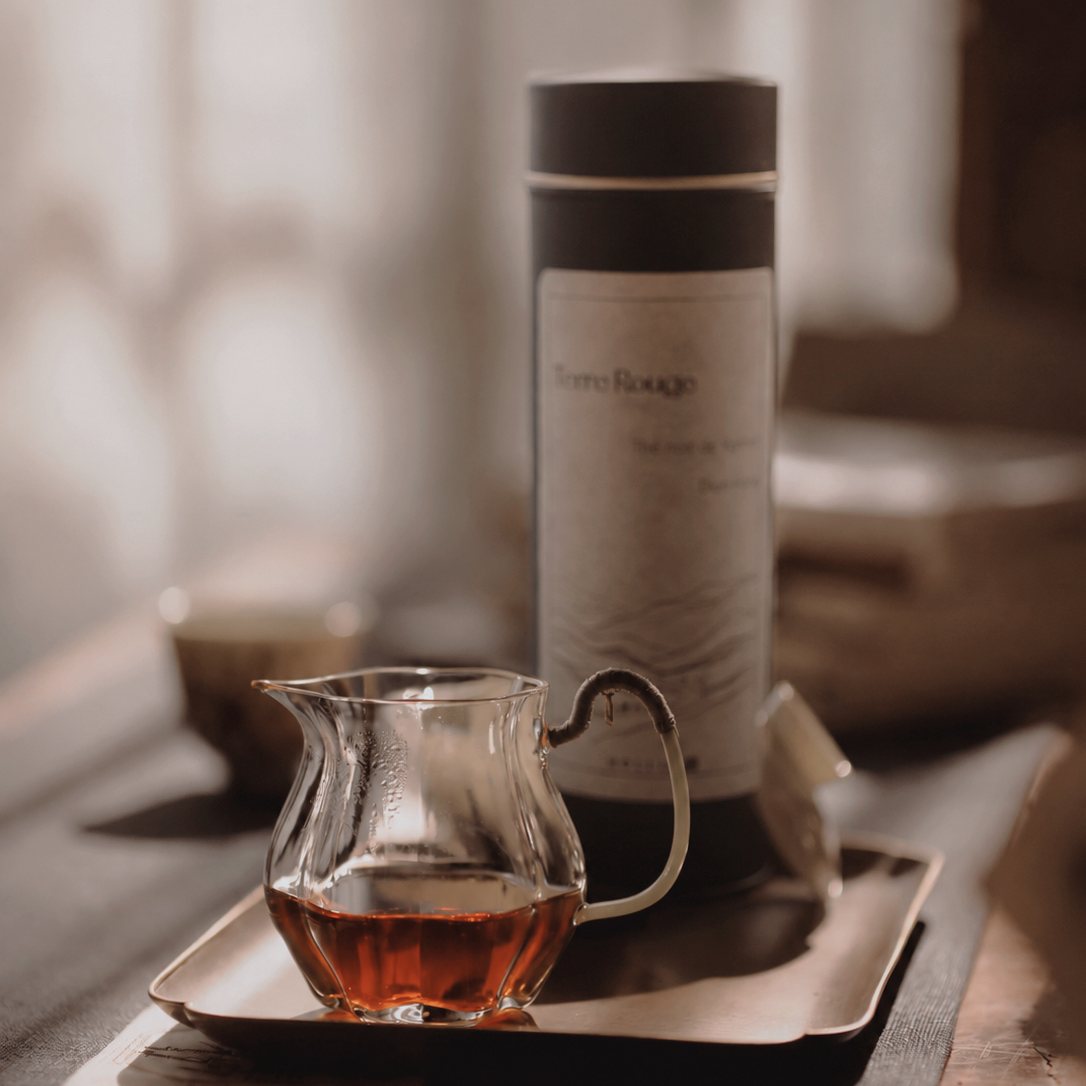
How to taste your first specialty tea?
A slow guide to tasting a specialty tea: water, time, attention.
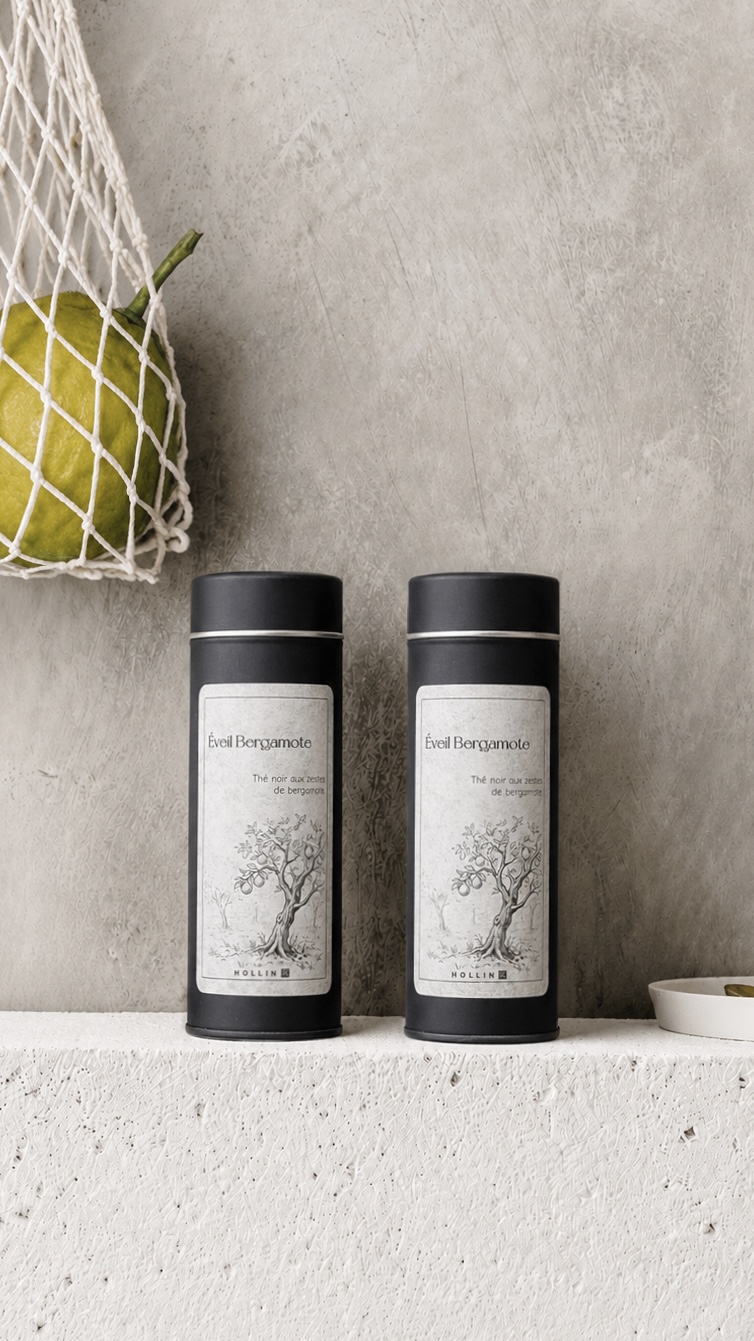
The real difference between tea and herbal infusion
Caffeine, botany, brewing method and FAQ: understanding tea (Camellia sinensis) versus herbal infusions.
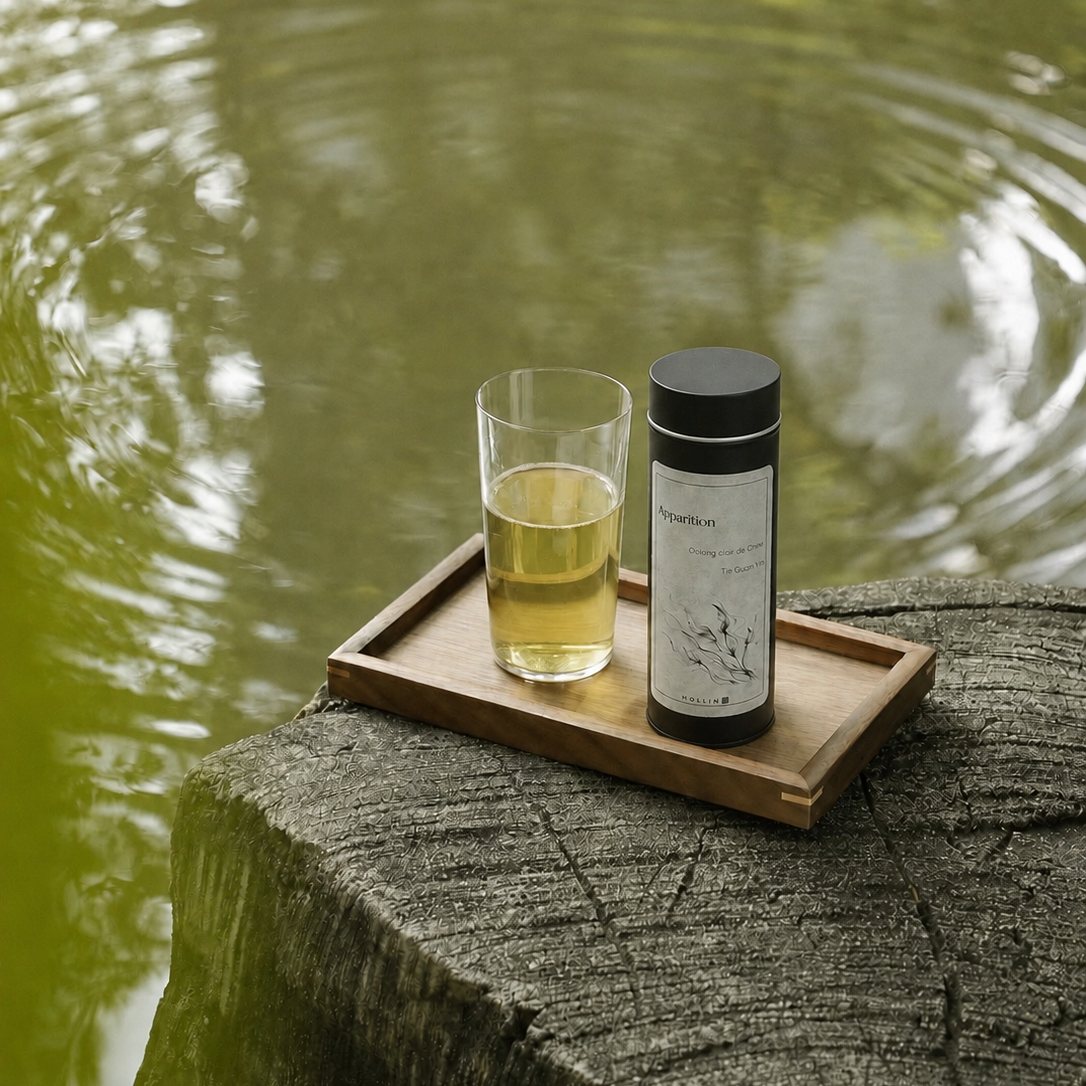
The philosophy of time and attention (Slow Living)
Slow living, tea as active meditation and the art of attention in everyday life.
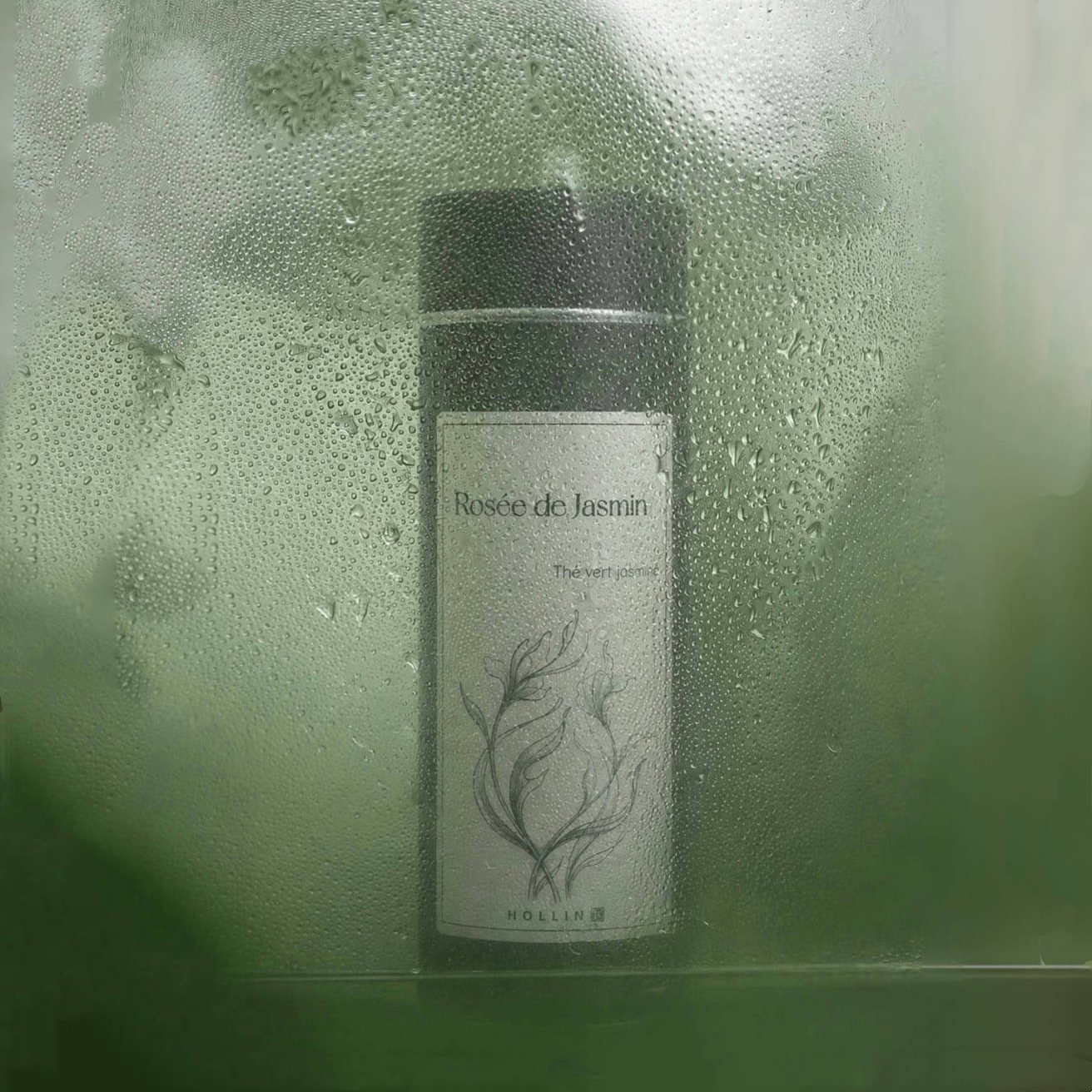
The benefits of jasmine tea
Antioxidants, digestion, clear focus and calm: what the leaf and the flower offer together.
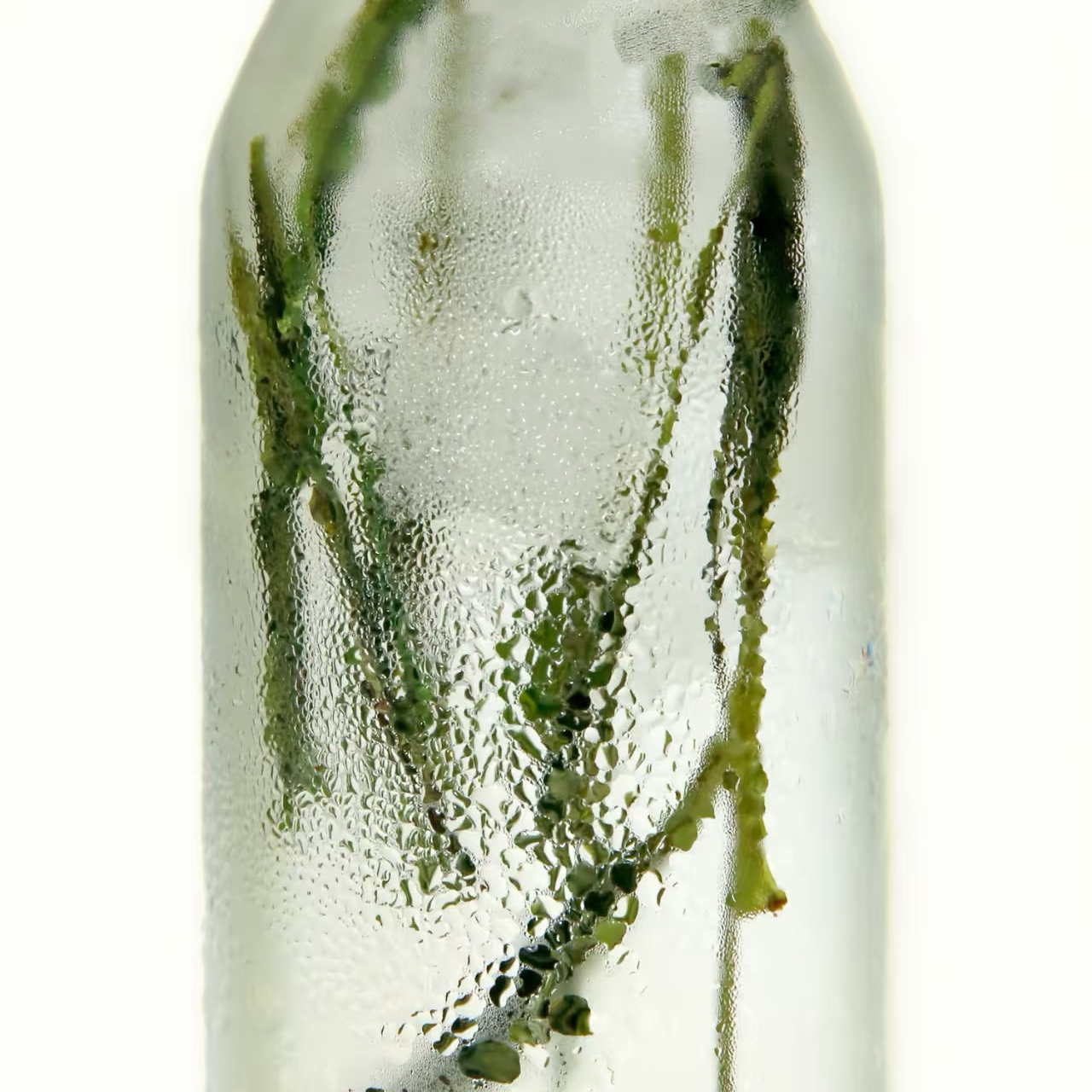
Why do some teas reveal another facet when brewed cold?
Cold brewing is not a summer trend. It is another way of discovering tea.
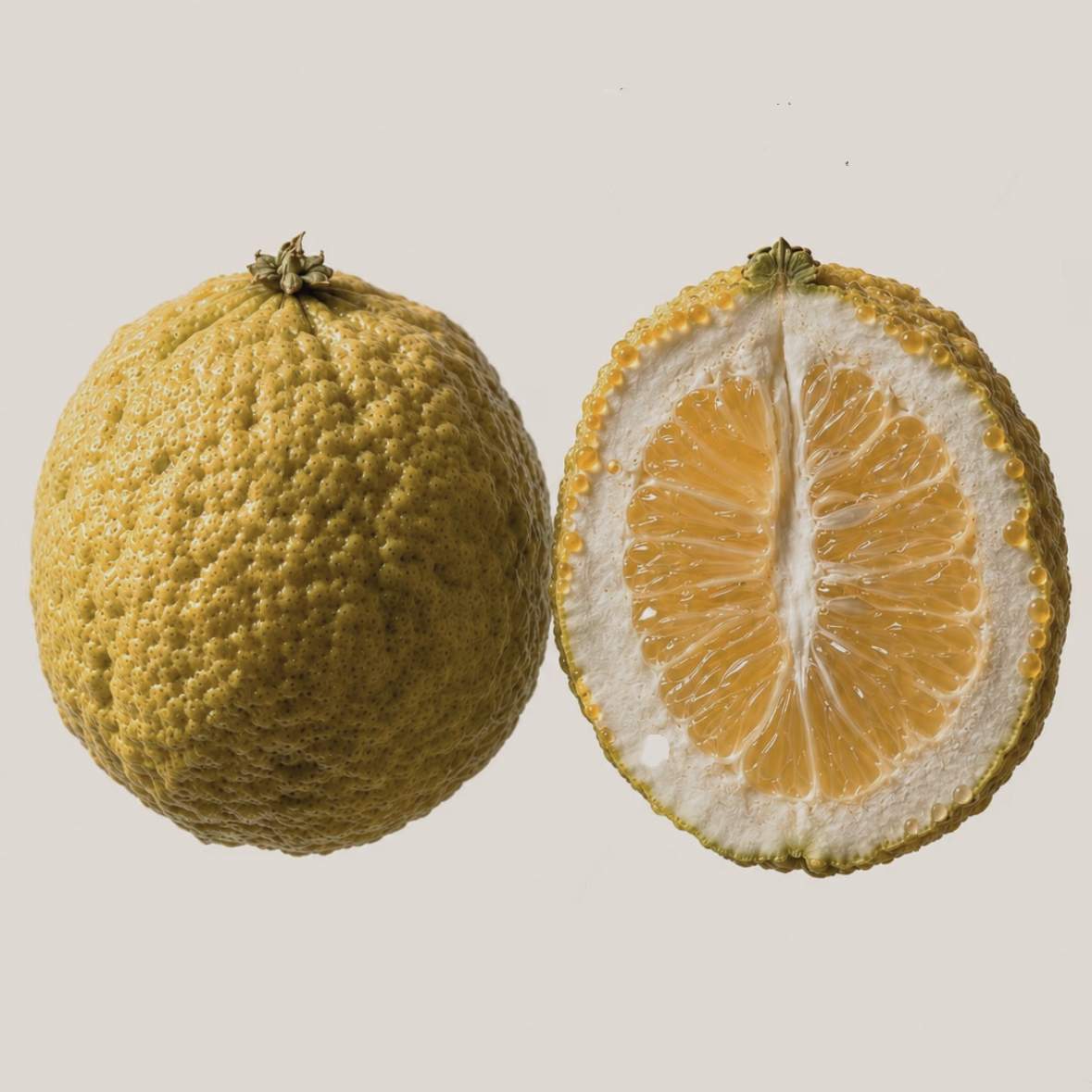
Intensity is not always a sign of quality
Restraint is not absence. A reflection on quiet flavours, nuance and the craft of composing a tea.
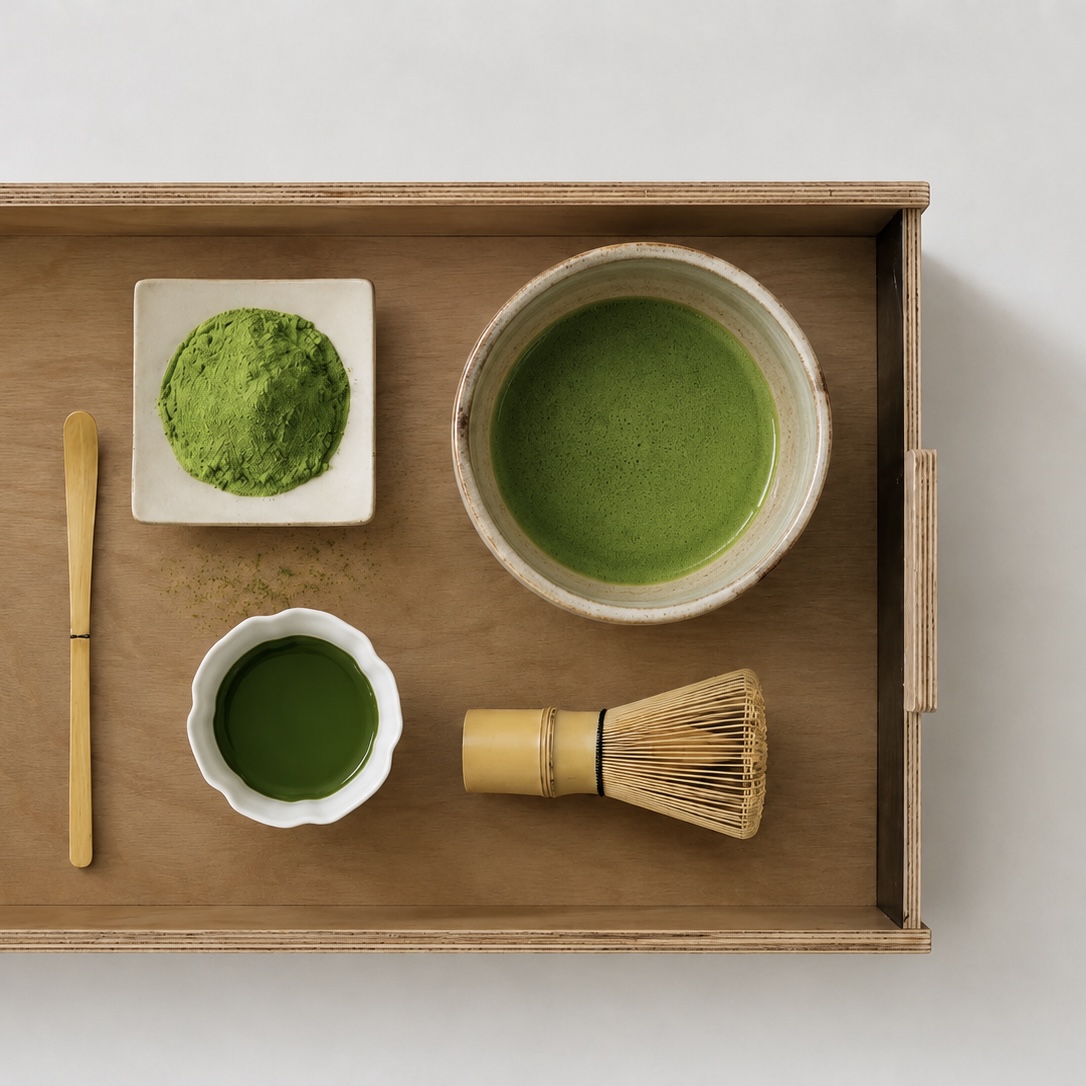
Why two matchas?
Two matchas, two uses. One for everyday, one for the ritual.
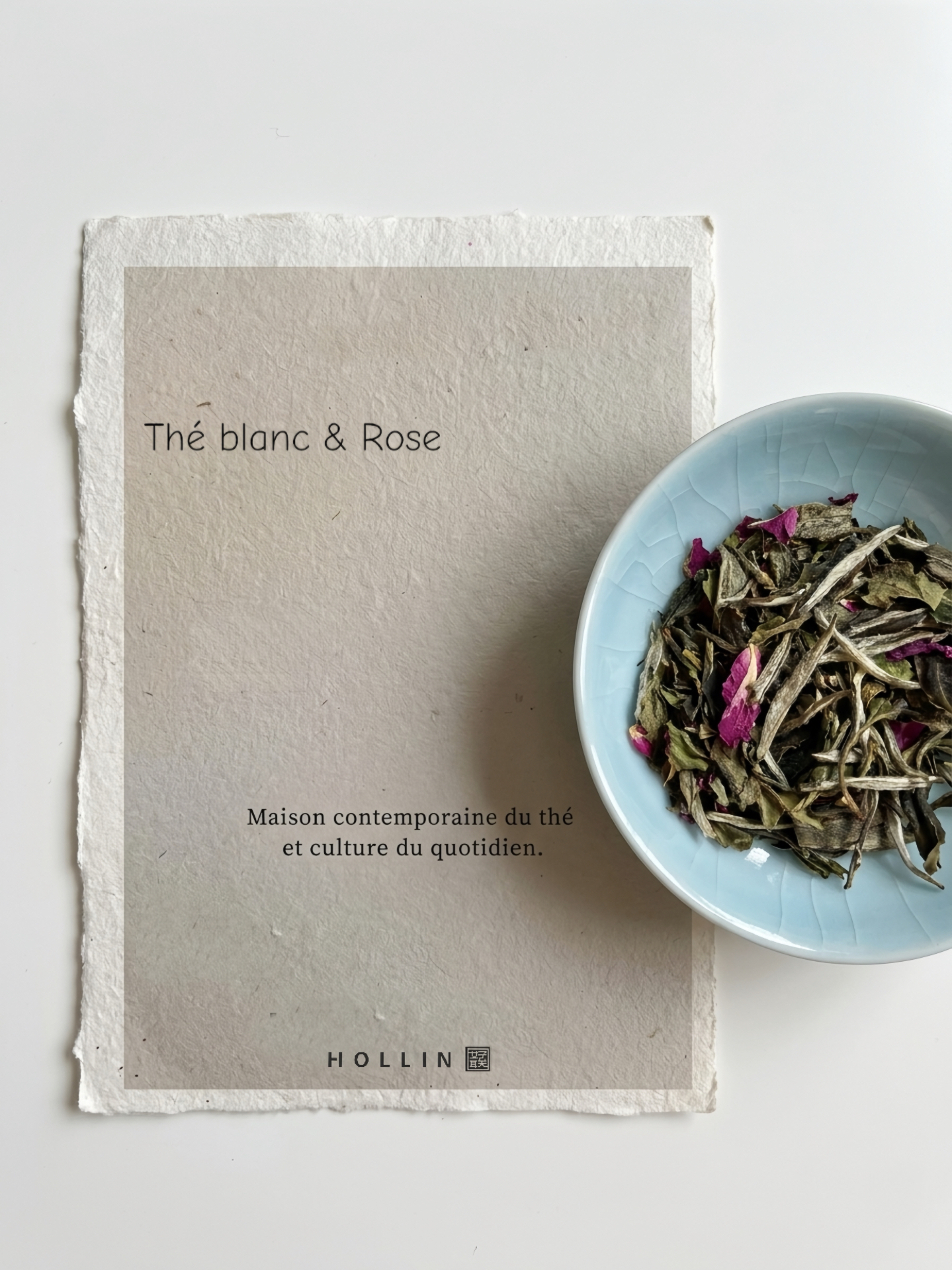
Why we work without added or natural aromas
Tea can be scented. Or it can stay as it is. At HOLLIN, we have made a simple and radical choice.
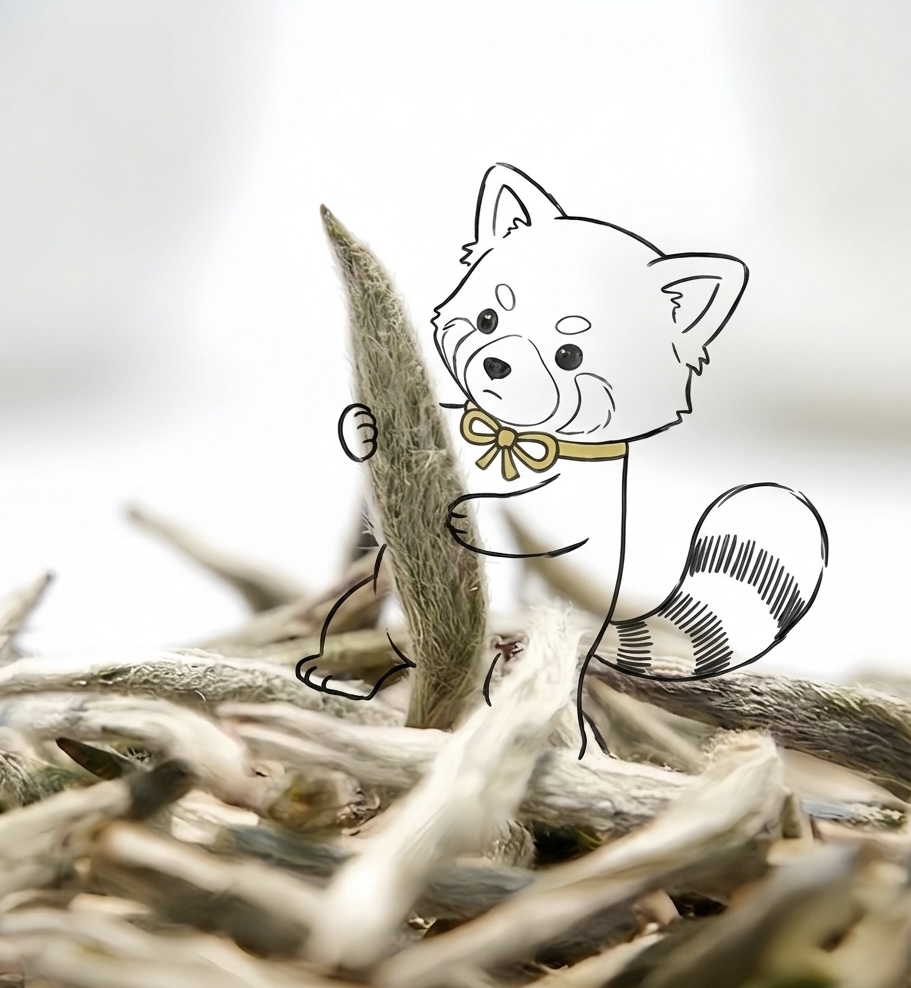
Tea as different forms of time
Tea is not tied to an hour. It responds to a quality of time - to an inner state.
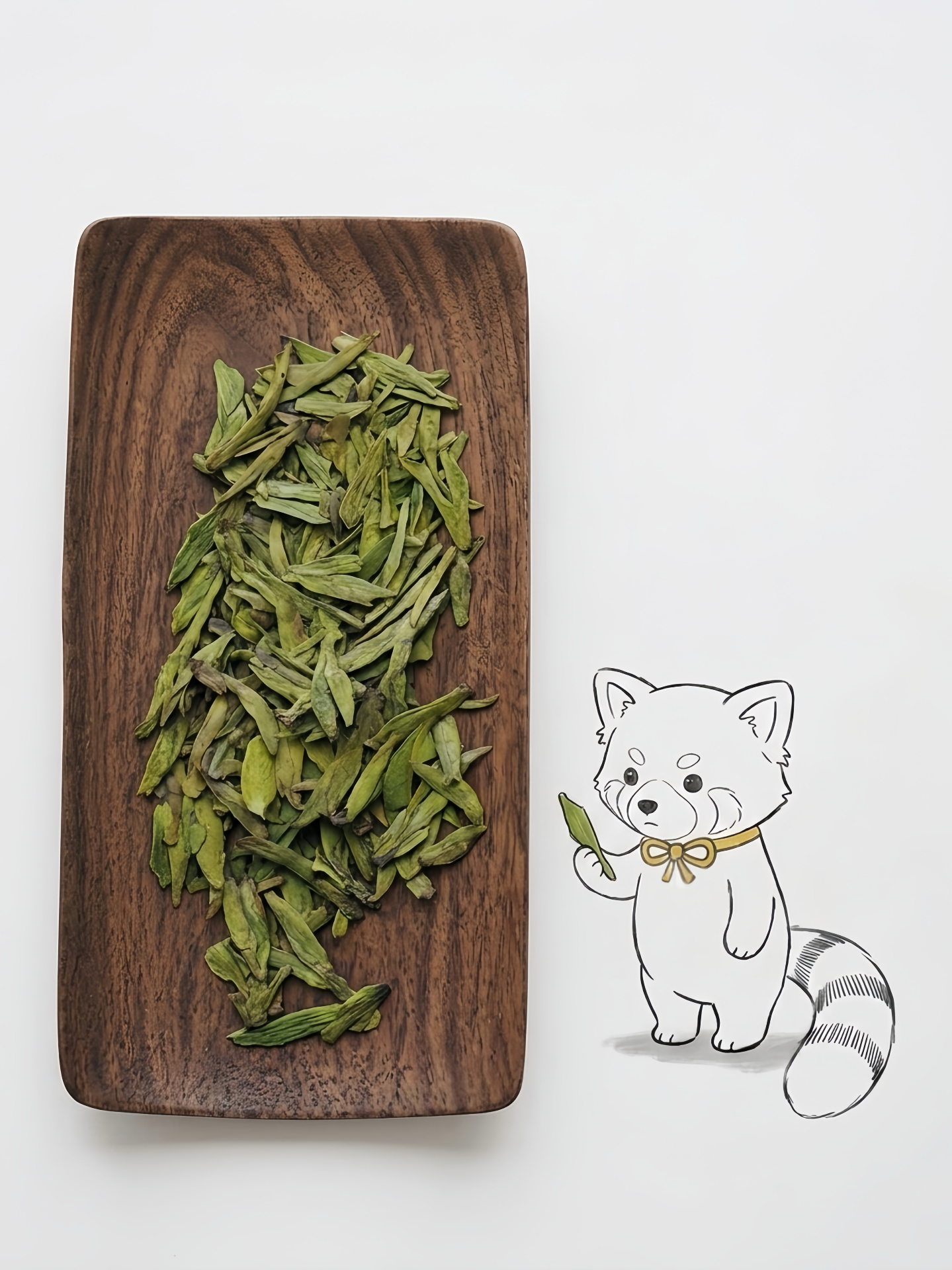
Understanding the aroma of Long Jing (Lung Ching)
Its aroma is not a fixed signature. It is a construction - a balance between terroir, climate and the human gesture.
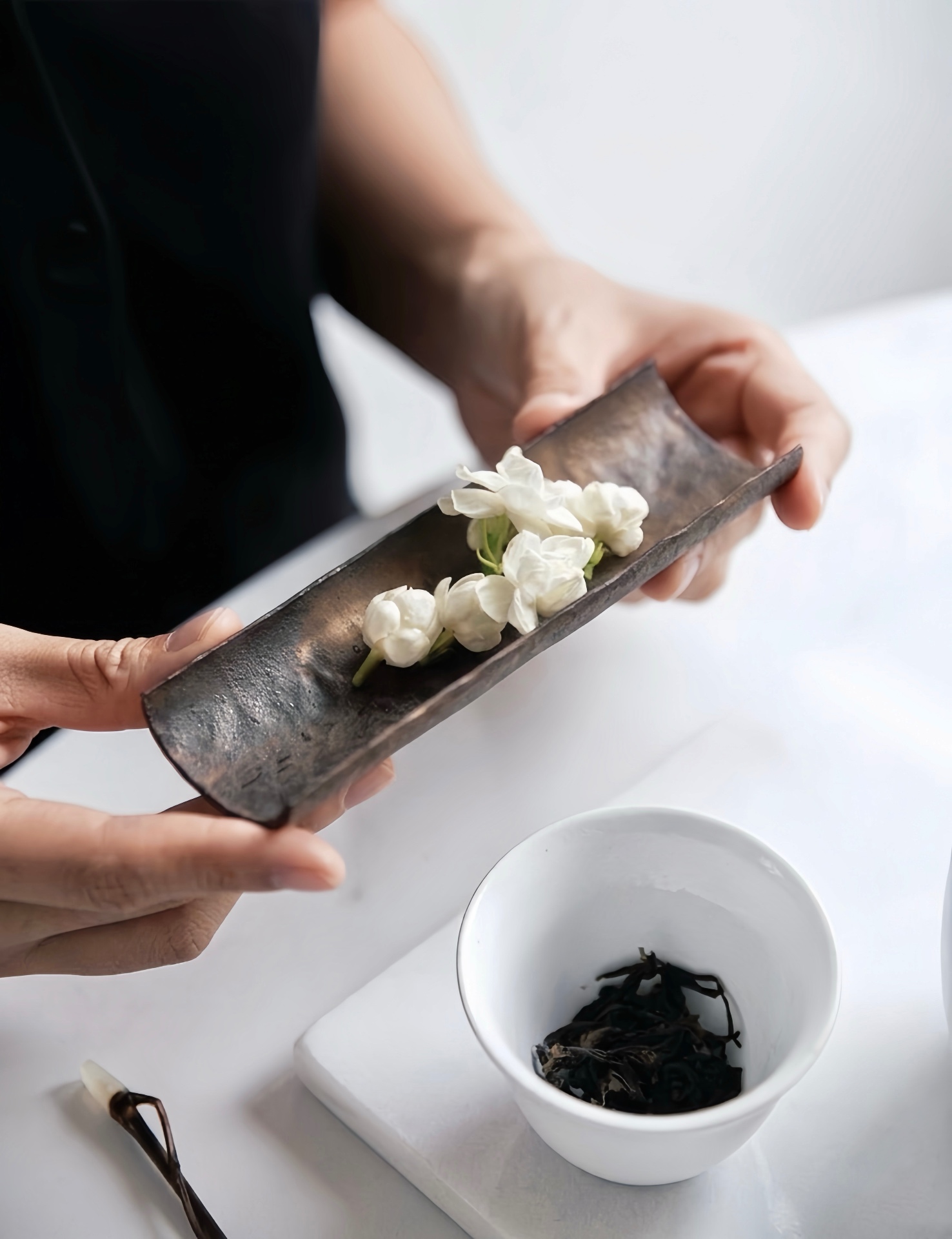
How is jasmine tea scented?
Jasmine tea is not flavoured. Its fragrance is transmitted - a craft where the leaf naturally absorbs the breath of the flower.
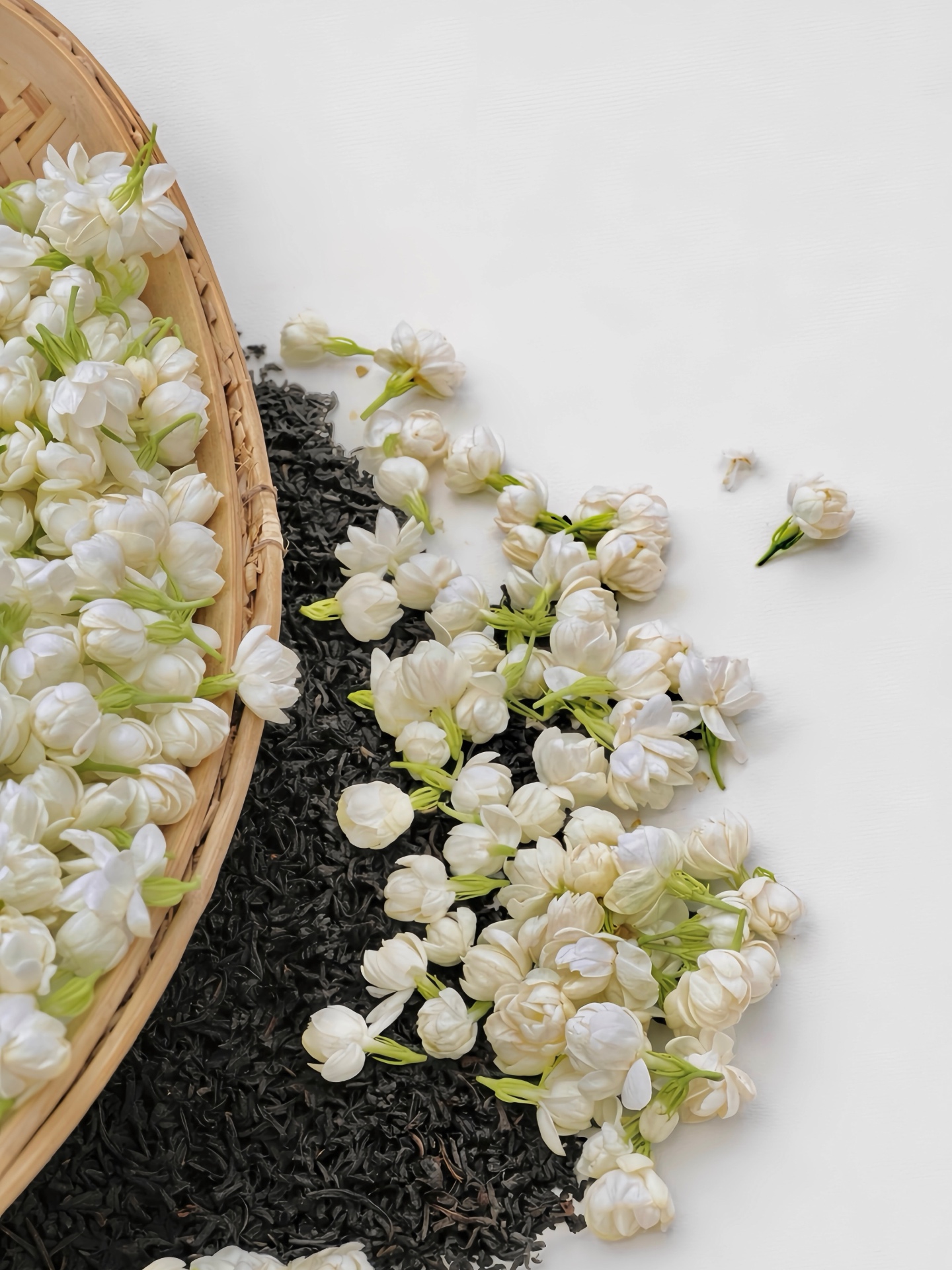
Jasmine Dew
The art of tea scenting: a fragrance that enters the leaf, without trace, without excess.
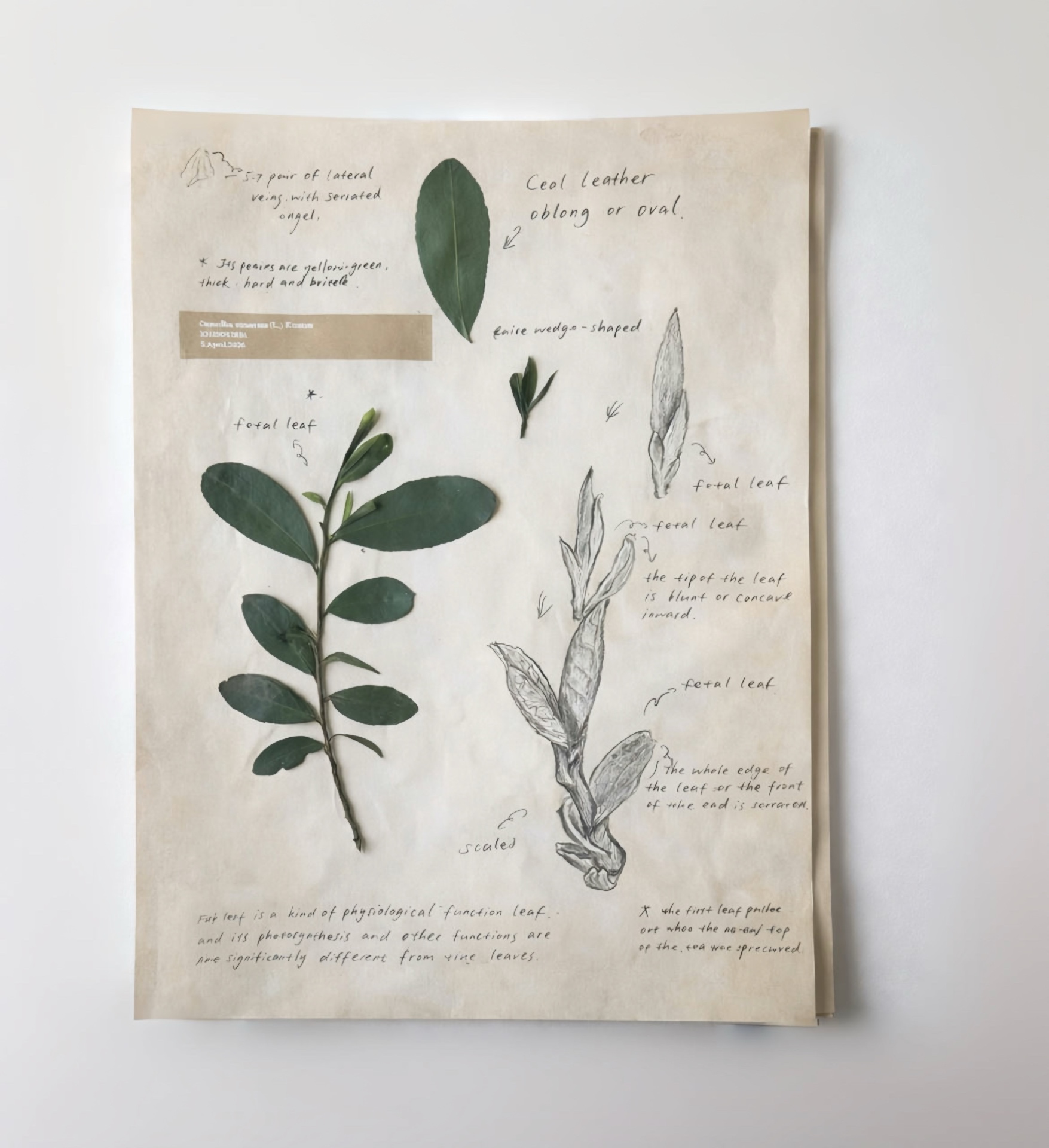
Why Spring Tea Is Better: Understanding the Tea Leaf
When observed through a botanical lens, a tea leaf reveals more than its surface.
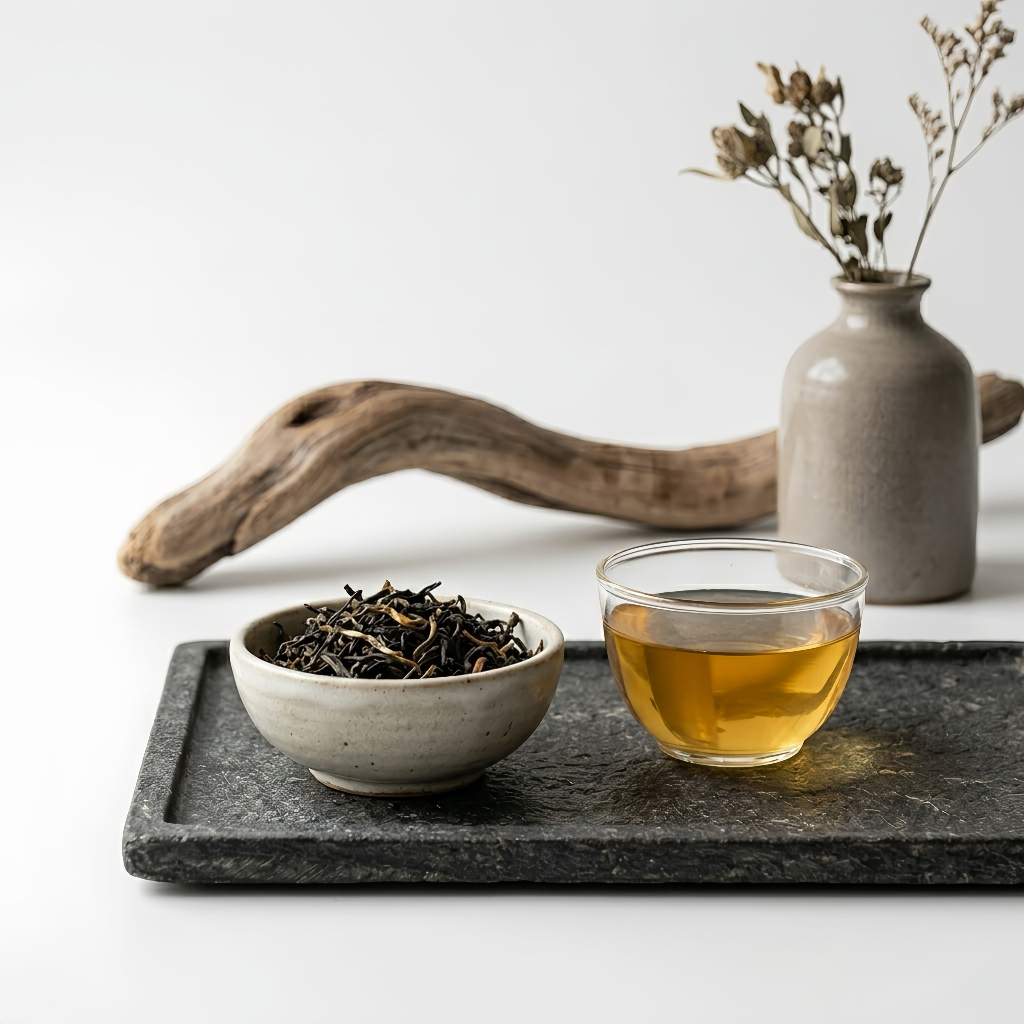
Why Tea Feels Different from Coffee
The same leaf, radically different experiences, tea as a modular system.
What Are the Different Types of Tea?
Understanding the main tea families, their nuances, and what they truly change in the cup.
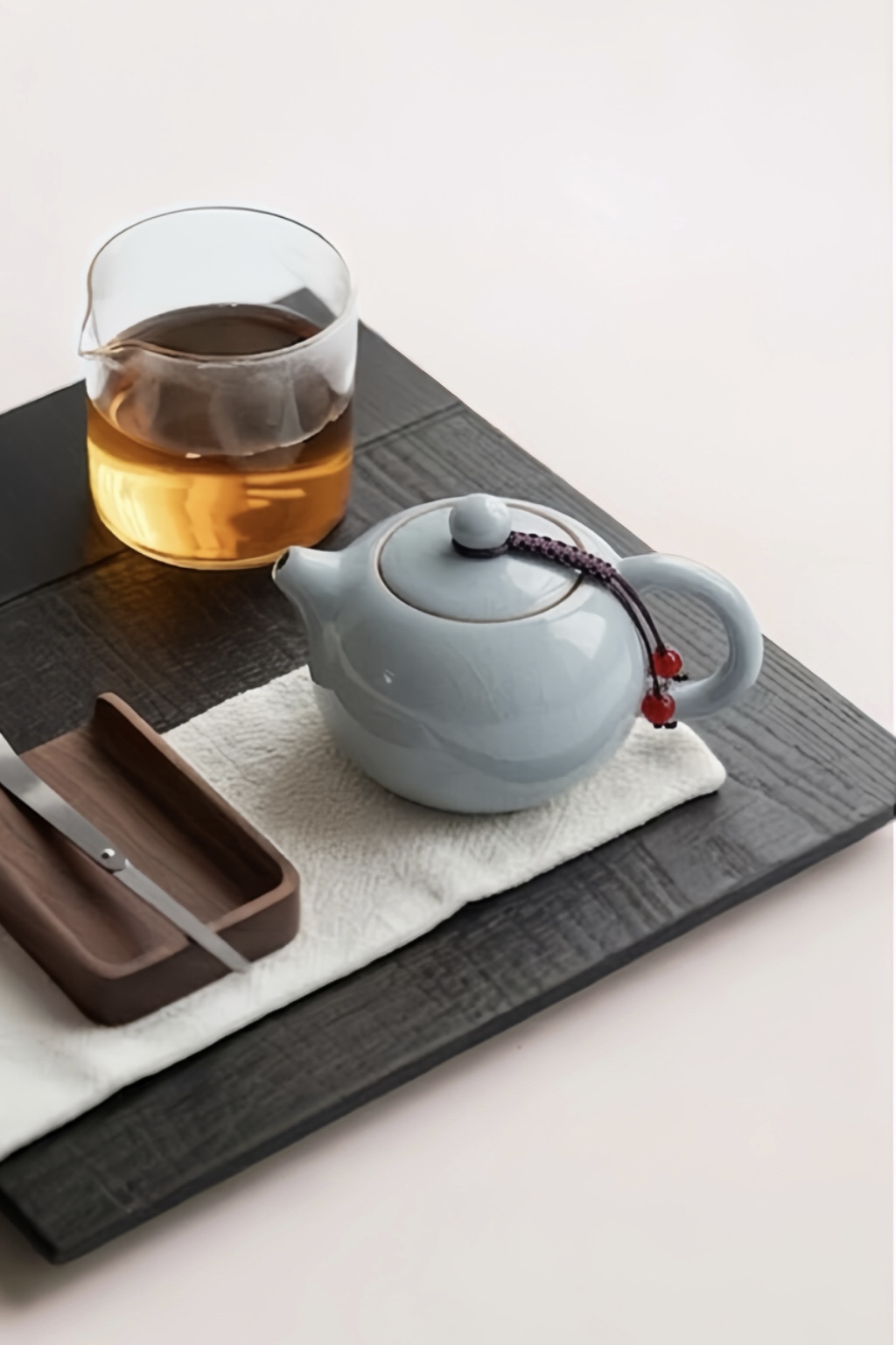
Celadon is not a color
Celadon is not a color, it is a variation. A reading of Ru ware porcelain, between sky, kiln and texture.