Tea and pregnancy: what precautions should be taken?
Written by Dian VAULTIER·
In Brief
- Pregnancy profoundly alters the metabolism of caffeine, a molecule identical to the theine found in the tea plant Camellia sinensis.
- Contrary to popular belief, theine and caffeine are strictly the same molecule, 1,3,7-trimethylxanthine.
- HOLLIN sommelier expertise: tea and pregnancy explained by a purist Tea House, with no added flavourings, based in Sartrouville (Île-de-France) and shipping its exceptional teas worldwide.
Pregnancy profoundly alters the metabolism of caffeine, a molecule identical to the teaine found in the tea plant Camellia sinensis. Its elimination half-life, normally four to six hours, can double or even triple in the third trimester due to the slowing of hepatic cytochrome P450 enzymes. This biochemical fact calls for particular vigilance regarding the quantities consumed, without justifying the complete and unwarranted avoidance of tea. Health authorities generally recommend limiting total caffeine intake, from all sources, to 200 milligrams per day.
Theine, a molecule with a variable half-life
Contrary to popular belief, theine and caffeine are strictly the same molecule, 1,3,7-trimethylxanthine. Its concentration varies according to the type of tea, the time oftime and the water temperature: a green tea Japanese brewed briefly at 70°C releases significantly less theine than a black tea brewed for five minutes at 95°C.
During pregnancy, the slowing of hepatic metabolism prolongs the presence of the molecule in the maternal body, with confirmed transplacental passage. The foetus, lacking the enzymes required to break it down, is exposed to it for longer, which warrants a measured reduction rather than excessive consumption.
Tannins and iron absorption
Beyond theine, the catechin tannins in tea, particularly epigallocatechin gallate, form insoluble complexes with the non-haem iron found in plants. This interaction can reduce the intestinal absorption of iron, an important nutritional consideration during pregnancy, when requirements increase significantly.
It is therefore advisable to leave at least one hour between drinking tea and meals rich in iron, rather than giving up thetime, whose polyphenols nevertheless retain recognised antioxidant benefits for the maternal body.
Theine-free infusions, a relevant alternative
The rooibos, derived from Aspalathus linearis, contains no theine and is distinguished by its richness in aspalathin, a specific antioxidant. Its natural roundness and honey notes make it a popular alternative during pregnancy, particularly in the evening when vigilance regarding caffeine becomes more important.
The herbal teas of plants, chamomile, verbena or linden, are also theine-free options, provided that a healthcare professional is consulted about any specific contraindications associated with certain plants possessing emmenagogue properties.
The purist selection of HOLLIN
The HOLLIN house offers a range ofherbal teas and rooibos strictly free from theine, selected for their botanical purity and the absence of any synthetic flavourings. These selections allow expectant mothers to continue enjoying a warm ritual without biochemical compromise.
Frequently Asked Questions (FAQ)
- How many cups of tea can you drink while pregnant?
- By staying below the recommended limit of 200 milligrams of total caffeine per day, two to three cups of properly brewed tea are generally compatible with pregnancy, taking into account other sources of caffeine consumed during the day, such as coffee or chocolate.
- Is white tea more suitable during pregnancy?
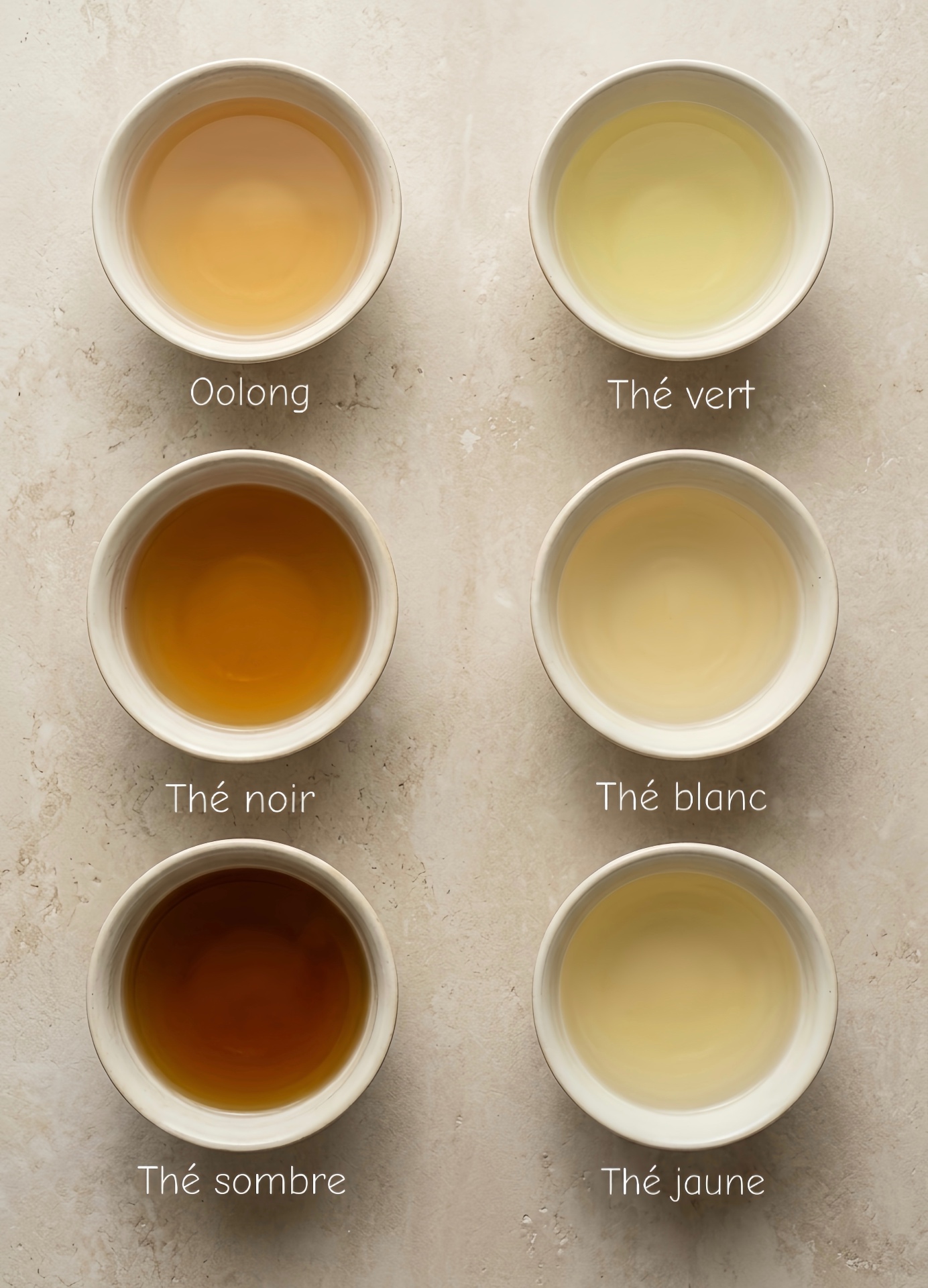
- The white tea contains a variable amount of theine, sometimes close to that of green tea, as it consists mainly of young buds rich in active compounds. Its low oxidation therefore does not systematically guarantee a lower content; each selection should be checked.
- Does rooibos pose a risk during pregnancy?
- Rooibos contains no theine or caffeine and is not associated with any known contraindications during pregnancy. Its richness in minerals and antioxidants makes it a reassuring alternative, provided that a pure rooibos is chosen, with no added flavourings or synthetic additives.