How should you store tea properly at home? The art of protecting the leaf
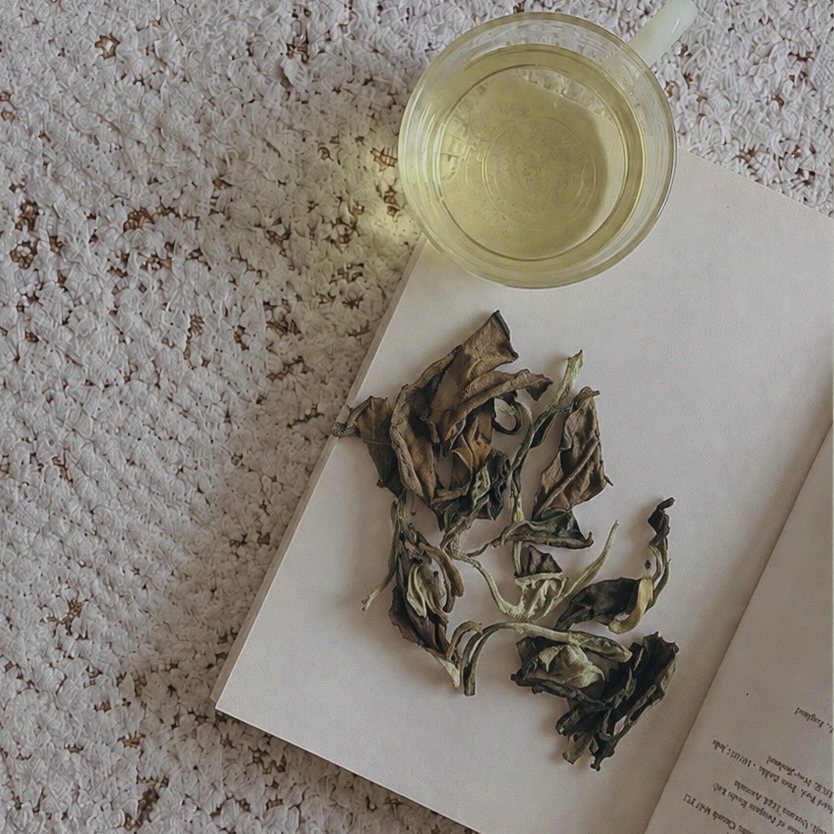
Tasting an exceptional tea begins long before the water starts to simmer. It begins the moment you store your leaves at home. A fine tea is a living, vibrant material, incredibly receptive to its environment. Leave a specialty tea exposed to the air, and the very soul of its terroir will evaporate within a few days. At HOLLIN, we cultivate absolute purity: no added flavouring masks the weaknesses of poor storage. Together, let us discover how to honour these precious leaves and prolong the experience of a truly contemporary Asian art of living.
The 5 sworn enemies of Camellia Sinensis
To understand how to preserve your leaves, you must first know what threatens them. Pure tea is highly vulnerable to five disruptive elements: light, humidity, heat, air and surrounding odours.
Light rapidly degrades chlorophyll, causing a sudden loss of colour and flavour. Humidity and heat, meanwhile, reactivate the oxidation process and may lead to mould. Air dissipates volatile essential oils. Finally, dried leaves act like veritable olfactory sponges. If you place them near your spices, they will inevitably absorb their aromas. That is why our pure black teas, rigorously sourced require particular care so that their naturally cocoa or honeyed notes remain intact, cup after cup.
The importance of the object: The role of the double-lid tea caddy
The solution to these threats lies in the container. Forget half-open kraft paper bags or cardboard boxes that let air through. An airtight seal is the cornerstone of proper storage.
This is where the double-lid tea caddy comes in, a standard of Asian exactingness. The first, inner lid expels as much air as possible and seals the caddy, while the outer lid fully blocks light and temperature fluctuations. Beyond their function, these containers should blend elegantly into your daily life. Protecting your tea also means choosing beautiful contemporary tableware, pieces with clean lines that elevate the preparation ritual while creating an impenetrable fortress for your most delicate teas.
Should matcha or green teas be stored in the refrigerator?
The question of refrigeration often divides tea lovers. For most teas (black, white, oolong), a dry, dark cupboard at room temperature is more than sufficient. However, matcha powder and certain first-flush Japanese or Chinese green teas are extremely sensitive to oxidation.
To lock in their freshness, you can store them in the refrigerator, but beware of thermal shock and condensation. The golden rule is strict: the container must be perfectly airtight to prevent your tea from absorbing the flavours of food. Before opening it, you must always allow the caddy to return to room temperature for a few hours. This discipline is the only way to preserve the emerald colour and vibrant vegetal character of our exceptional green teas.
Frequently Asked Questions (FAQ) about tea storage
Does loose-leaf tea expire?
Dry tea does not expire or become toxic. It has a best-before date (DLUO). Beyond this date, or if stored improperly, it will simply lose its essential oils and aromatic complexity, becoming flat in the cup.
Can I store my tea in a transparent glass container?
Glass is an excellent material because it does not retain odours. However, its transparency lets light through, a fatal enemy for the leaves. If you use a glass jar, you must keep it in a completely opaque cupboard.
How should pu-erh tea (dark tea) be stored?
Unlike other tea families, pu-erh is a post-fermented tea that needs to breathe in order to age and improve over time. It should not be sealed in an airtight container, but placed in a porous terracotta jar or kept in its original paper wrapping, away from strong odours.