Tea leaf vs Matcha: Understanding the fundamental differences
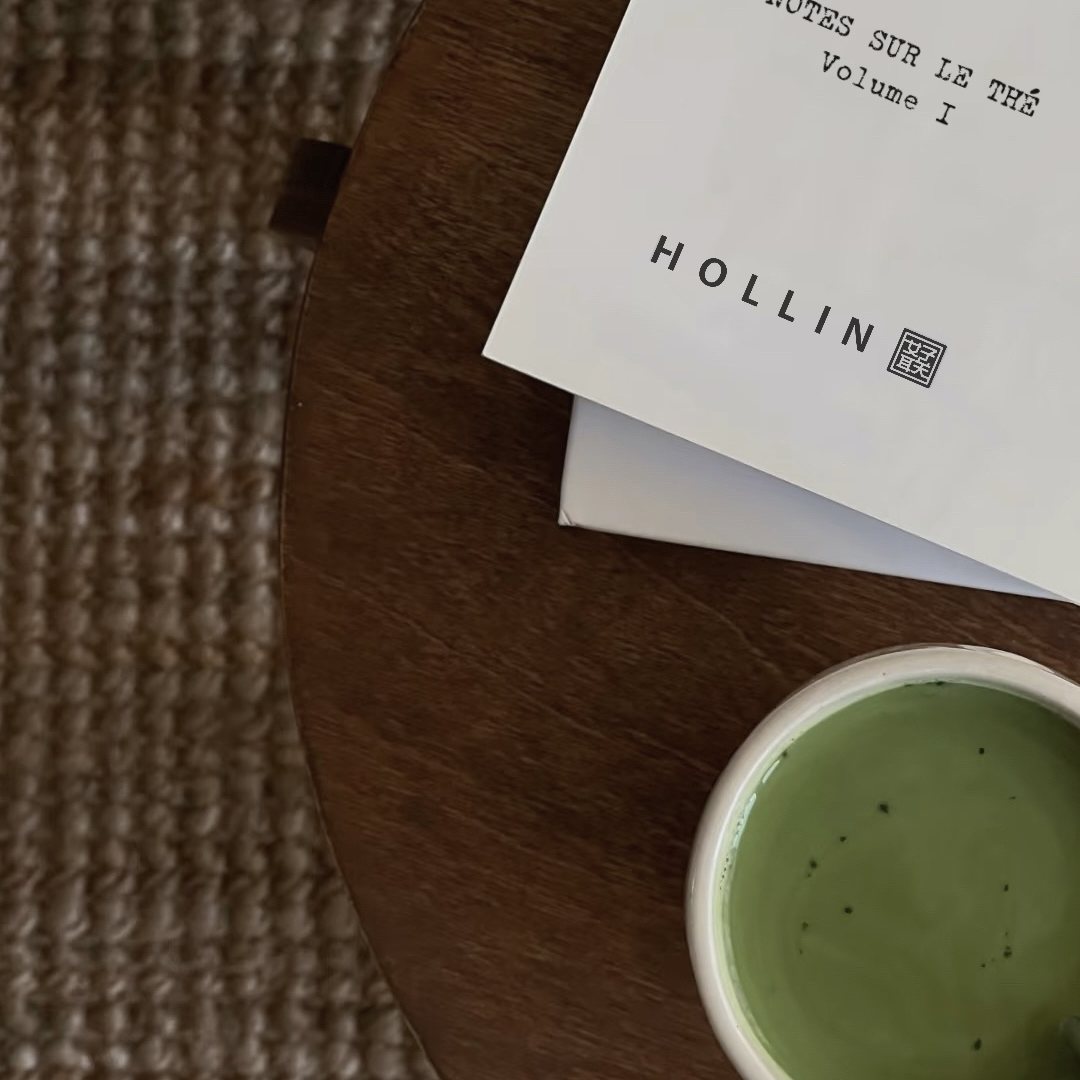
Matcha is not simply a green tea that has been ground into powder. Behind this confusion lie a different form of agriculture, a different manufacturing process and a different way of drinking the leaf. Understanding what separates the infused leaf from ground matcha means understanding why their prices, textures and effects are in no way comparable.
The comparison at a glance
| Loose-leaf tea | Matcha | |
|---|---|---|
| Leaf | Whole leaves, infused then removed | Tencha ground into a fine powder, consumed in its entirety |
| Cultivation | Generally in full sunlight | Shade-grown (20 to 30 days before harvest) |
| Preparation | Infusion in a teapot or cup | Whisked into an emulsion (chasen) in a bowl |
| Caffeine | Released gradually depending on the infusion | More concentrated, as the whole leaf is consumed |
| Taste | Clear, aromatic liquor | Creamy texture, pronounced umami |
A shared origin: The Camellia Sinensis tree
Green leaf tea and matcha come from the same shrub, Camellia sinensis. This is the only truly consistent point these two drinks have in common. Depending on the cultivar selected, how the field is tended and the post-harvest processing, the same leaf can become a single-origin tea with crystalline clarity or a jade powder intended for whisking.
Both drinks are particularly well suited to the first ritual upon waking. To explore this subject further, we invite you to discover which tea to choose for the morning and understand how caffeine is released throughout the day.
Working the land: The art of shading for matcha
Everything is decided in the field. A green tea of the classic kind grows in full sun: the leaf develops catechins, gives structure to its tannins and asserts a clean vegetal profile. The Matcha, by contrast, is born beneath a veil. Three to four weeks before harvest, the tea plants are covered with cloths that filter out 70 to 90 percent of the light.
Deprived of sunlight, the plant compensates. It produces more chlorophyll, which gives it its characteristic jade-green colour, and concentrates L-theanines, the amino acids responsible for the celebrated umami and a sense of active calm. This patient detour through shade explains the price and depth of a great matcha, worlds apart from a green tea grown in full sun. To discover the other side of this family, explore our selection of pure green teas.
The production process: Infusing the whole leaf vs Grinding on a stone mill
Once picked, the leaves intended for green tea are fixed with steam or dry heat, then rolled and dried. They are then infused in hot water: the liquor captures the soluble aromas, while the leaf remains in the filter. What we drink is an extract.
The path of Matcha is radically different. The shaded leaves, stripped of their veins and stems, become tencha. This tencha is then slowly ground between two granite millstones, at a rate of only a few dozen grams per hour. The result is an extremely fine powder, whisked into water rather than infused. The entire leaf is then consumed, with all its fibre, chlorophyll and water-soluble compounds.
This ritual requires a precise tool: it is impossible to whisk Matcha properly with a spoon. The traditional bamboo whisk (Chasen) aerates the powder, breaks up clumps and creates the fine foam that marks a successful preparation. Brought together in our Matcha preparation set, the Chasen, chashaku and bowl form the essential trio for recreating this ritual at home.
Aromatic profile and texture: Crystalline liquor versus jade foam (Umami)
On the palate, the difference is complete. A green tea of quality produces a clear, almost transparent liquor, with notes of fresh herbs, almond, white flowers or chestnut, depending on the cultivar. The texture is fluid, the finish short and clean, the astringency subtle.
A well-prepared matcha fills the mouth in a different way. The jade foam brings a velvety, almost creamy texture. Then comes umami, the fifth taste, evoking vegetable broth, fresh hazelnut and tender seaweed. The finish is long and rounded, carried by a sense of calm energy. To experience this sensory language in its truest form, take the time to taste a ceremonial Matcha, prepared pure, with water, without milk or sugar.
Preparation: the parameters that change everything
The two preparations follow different rules. Green leaf tea calls for a short infusion in moderately heated water; matcha calls for rapid whisking in a small volume of water.
Loose-leaf green tea
Use 3 g of leaves for 20 cl of water at 70 to 80 °C, for 1 to 2 minutes depending on the cultivar. Water that is too hot extracts the tannins and makes the liquor bitter. Two to three successive infusions are possible, each shorter than the last.
Matcha
Use 2 g of sifted powder for 6 to 7 cl of water at 70 to 80 °C, whisked in a W shape with the Chasen for around fifteen seconds, until the foam is fine and even. For a latte version, use 3 g in 3 cl of water, then add hot milk. The complete step-by-step guide can be found in our article how to prepare matcha tea.
Benefits: what changes when the whole leaf is consumed
An infusion conveys only the leaf's soluble compounds. Matcha, by contrast, is drunk in suspension: the catechins, chlorophyll, fibre and L-theanine are consumed with the powder. For the same volume, the intake of antioxidants and caffeine is therefore higher than with infused green tea.
Green leaf tea remains lighter, can be drunk throughout the day and lends itself to successive infusions. Matcha is better suited to the morning or early afternoon, providing sustained, steady alertness through the combination of caffeine and L-theanine. The mechanisms are explained in detail on our page benefits of pure tea.
Frequently Asked Questions (FAQ) about Green Tea and Matcha
Does matcha contain more caffeine than a conventional green tea?
Yes, for the same volume. Since the whole leaf is consumed in powder form, the caffeine concentration is higher than in a simple infusion, where only the soluble compounds pass into the cup.
Can Matcha powder be infused like a tea leaf?
No. Matcha is not meant to be filtered. The powder must be whisked into hot water so that it remains suspended. Without a whisk, it settles at the bottom of the bowl and loses its texture, umami and characteristic foam.
Which of the two is richer in antioxidants?
Matcha, by its very nature. Consuming the whole leaf multiplies the intake of catechins and chlorophyll compared with an infusion, where some of these compounds remain trapped in the leaf discarded after infusion.