Matcha and Buddhist monks: unraveling the myth
Written by Dian VAULTIER·
In Brief
- The image of Zen monks inventing Matcha to stay awake during meditation is partly a historical shortcut.
- The practice of grinding compressed tea leaves into powder and then whisking them in hot water dates back to the Song dynasty in China, between the tenth and thirteenth centuries.
- HOLLIN sommelier expertise: Matcha and Buddhist monks explained by a purist Tea House, with no added flavorings, based in Sartrouville (Île-de-France) and shipping its grand crus worldwide.
The image of Zen monks inventing the Matcha to stay awake during meditation is partly a historical shortcut. Grinding tea into powder already existed in China under the Song dynasty, before being introduced to Japan by Buddhist monks in the thirteenth century. They therefore did not create the process, but refined and institutionalized it within a specific spiritual framework. Understanding this nuance sheds light on why Matcha remains inseparable from the Japanese tea ceremony today.
An earlier Chinese origin
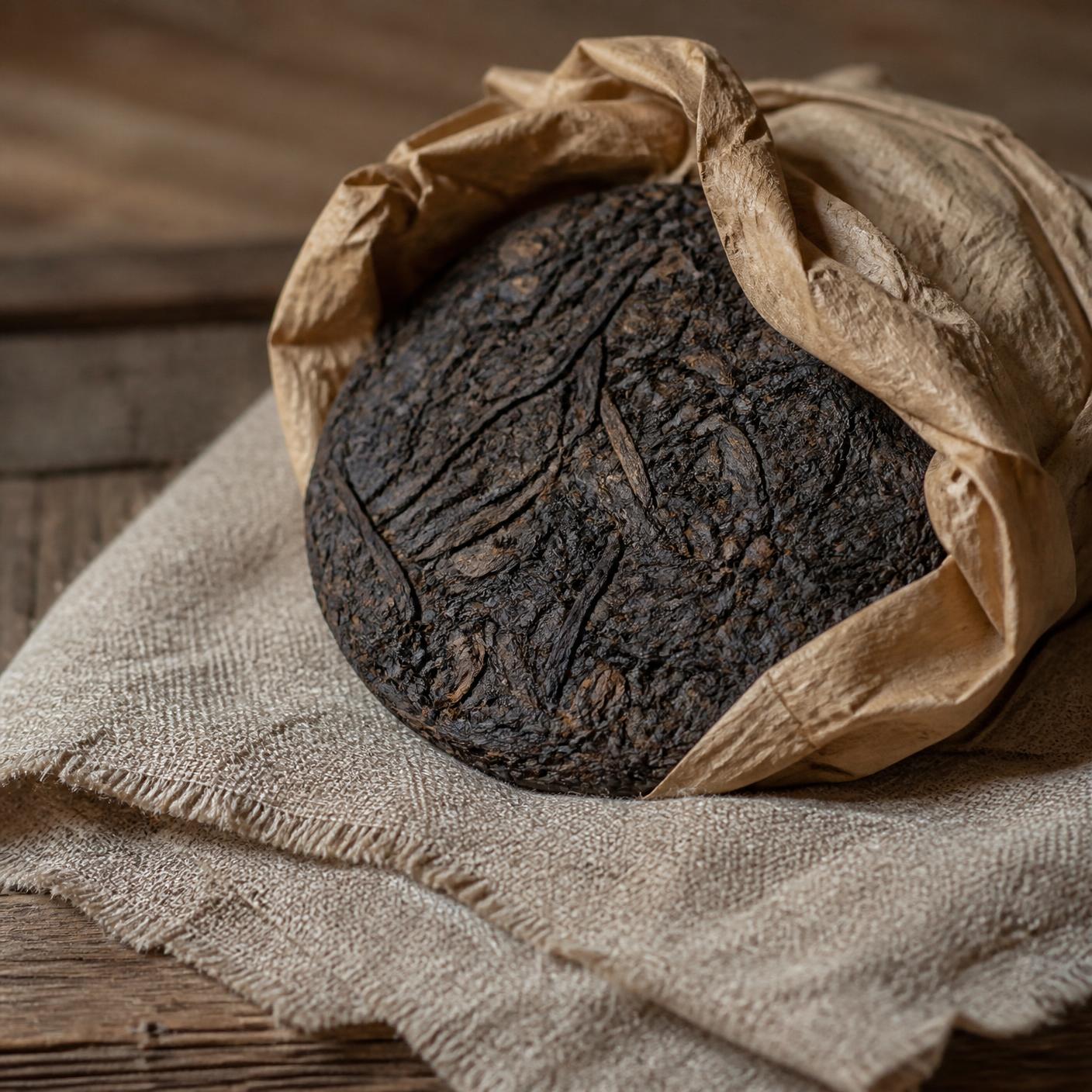
The practice of grinding compressed tea leaves into powder and then whisking them in hot water dates back to the Song dynasty in China, between the tenth and thirteenth centuries. This method, called dianca, was widespread in scholarly circles at the time and was the subject of refined tasting competitions long before its adoption in Japan.
Refinement in Zen monasteries
Once introduced to Japan, powdered tea preparation finds particularly fertile ground in Zen monasteries, where it first serves as an aid to concentration during long sessions of seated meditation, with caffeine and L-theanine promoting a state of calm alertness without nervous agitation.
The monks gradually refine the shade-growing of tea plants, a technique that increases the concentration of chlorophyll and amino acids, as well as the whisking motion using a chasen, transforming a simple stimulating drink into a codified ritual passed down from generation to generation.
From monastic use to a codified ceremony
It was in the fifteenth and sixteenth centuries, under the influence of masters such as Sen no Rikyu, that the preparation of the Matcha gradually moves beyond the exclusively religious context to become the tea ceremony, chanoyu, an art in its own right governed by precise aesthetic and philosophical principles, including harmony, respect, purity and tranquility.
The myth of a monastic invention therefore simplifies a longer, transcultural history, in which the original Chinese expertise was transformed, refined and elevated through centuries of rigorous Japanese practice.
The purist selection of HOLLIN
The HOLLIN house selects its Matcha from Japanese producers who uphold techniques inherited from this tradition, particularly shading the tea plants before harvest, an essential condition for authentic ceremonial-grade Matcha.
At the HOLLIN du Goût counter, 22 avenue de la République in Sartrouville, open Monday to Saturday from 10h to 20h, the history and traditional preparation of the Matcha are readily presented to customers curious to understand their true origins.
Frequently Asked Questions (FAQ)
- Was Matcha really invented in Japan?
- No, the technique of grinding tea into powder originated in China under the Song dynasty, before being introduced to Japan by the monk Eisai in the thirteenth century. Japan then refined and codified this practice until it became the tea ceremony as we know it today.
- Why was Matcha used during Zen meditation?
- The combination of caffeine and L-theanine provides a state of calm alertness, without excessive nervousness, particularly suited to long sessions of seated meditation. Zen monks saw it as a tangible aid for maintaining attention without succumbing to agitation or drowsiness.
- What is the difference between ancient Chinese Matcha and present-day Matcha?
- The Chinese dianca of the Song dynasty used unshaded leaves and a different preparation method, which fell out of use in China as early as the Ming dynasty. The Matcha current Japanese is based on tea plants specifically shaded before harvest, a process that did not exist in its original Chinese form.