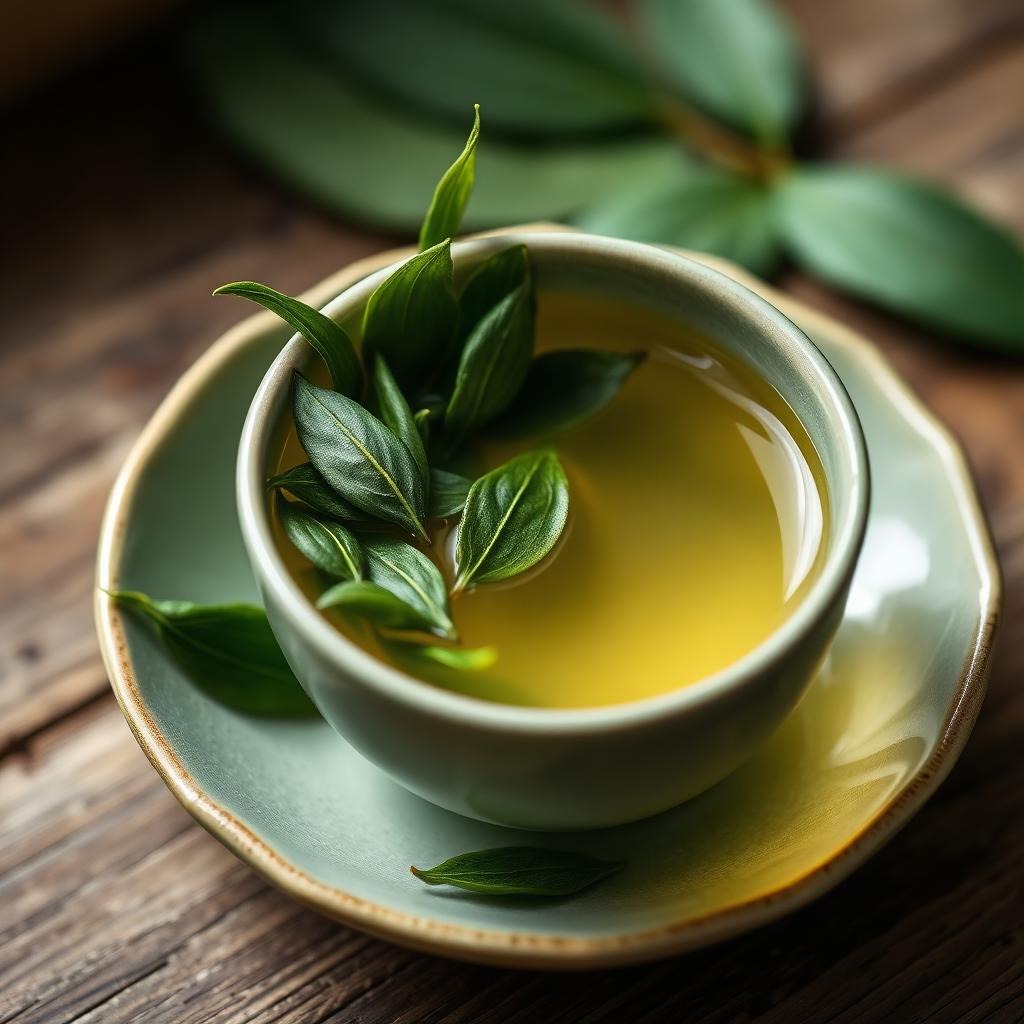
Benefits of green tea: the biochemical perspective, without marketing
Written by Dian VAULTIER·
In Brief
- Green tea is neither a miracle potion nor a mere placebo.
- Green tea is particularly rich in polyphenols, and more specifically in catechins, including EGCG (epigallocatechin gallate).
- HOLLIN's tea sommelier expertise: the benefits of green tea explained by a purist Tea Maison, with no added flavorings, based in Sartrouville (Île-de-France) and shipping its grand cru teas worldwide.
The green tea is neither a miracle potion nor a mere placebo. It is a biochemically active food, provided it is prepared correctly.
Catechins (EGCG): the antioxidant shield
The green tea is particularly rich in polyphenols, and more specifically in catechins, including EGCG (epigallocatechin gallate). These molecules help the body neutralize the free radicals involved in cellular aging.
L theanine: calm alertness, not stimulation
The green tea contains theine (chemically identical to the caffeine in coffee), but it is counterbalanced by L-theanine, an amino acid found almost exclusively in Camellia sinensis. L-theanine promotes alpha waves in the brain, associated with a state of alert relaxation.
It is this caffeine + L theanine pairing that explains the feeling of zen alertness from green tea, very different from the jolt of coffee.
How to preserve these molecules in the cup
Catechins are sensitive to heat. Boiling water destroys some of them and releases too much bitterness. Simmering water, around 70 to 80 °C depending on the tea, preserves most of them.
The foundation: pure tea
The benefits described above are those of a pure, organic, unflavored tea. A green tea masked by synthetic flavorings loses most of its sensory appeal and some of its biochemical value.
In Sartrouville, we sell only pure, loose-leaf tea, with its origin and harvest date. This is the non-negotiable foundation of everything you will read here about health.
Frequently Asked Questions (FAQ)
- How many cups a day, reasonably?
- Three to five cups of green tea per day remain moderate for a healthy adult. Beyond that, the caffeine and tannin content may disrupt sleep or iron absorption.
- Should you drink green tea on an empty stomach?
- It depends on your gastric sensitivity. Tannins can irritate an empty stomach. A first green tea accompanied by a small snack suits most people.