Matcha L-theanine: the biochemistry of calm alertness
Written by Dian VAULTIER·
In Brief
- L-theanine is what biochemically distinguishes matcha from ordinary green tea.
- L theanine is found almost exclusively in the leaves of Camellia sinensis.
- The HOLLIN sommelier's expertise: matcha L-theanine decoded by a purist Tea House, with no added flavourings, based in Sartrouville (Île-de-France) and shipping its fine teas worldwide.
L theanine is what biochemically distinguishes Matcha from an ordinary green tea. It explains the umami on the palate and the distinctive effect on the brain.
An amino acid almost unique to tea
L theanine is found almost exclusively in the leaves of Camellia sinensis. It is responsible for the umami flavour of Matcha, and above all for its characteristic effect on the brain.
The shading process, which deprives the tea plants of sunlight for three weeks before harvest, significantly concentrates L-theanine in the leaves. This is what makes the Matcha so distinctive.
Energy without overstimulation
Where the caffeine in coffee can cause anxiety and palpitations, L-theanine calms the nervous system. It slows the absorption of caffeine, producing a state of relaxed alertness often described as calm focus.
It is precisely this combination that makes the Matcha so useful before a session of focused work or meditation.
In practice
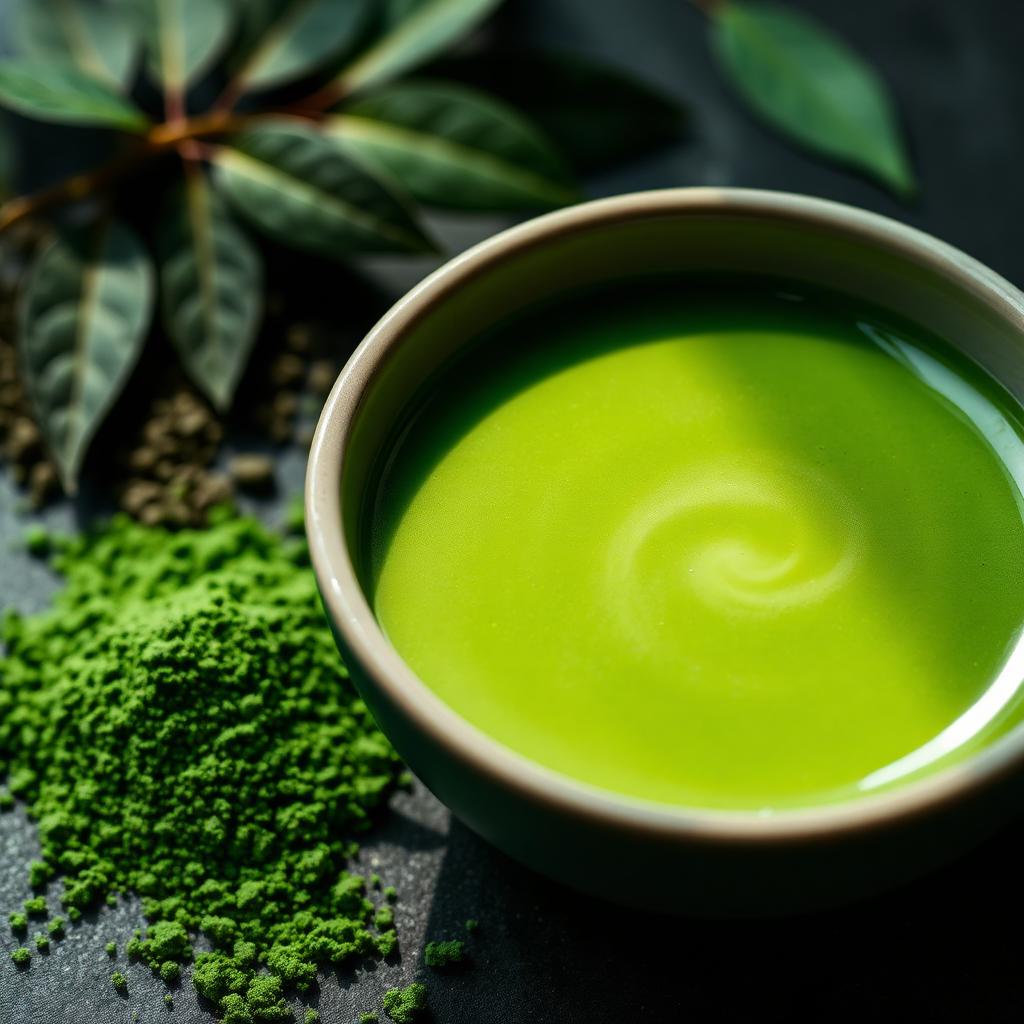
A bowl of Matcha prepared with a Chasen provides the full complement of L theanine, catechins and chlorophyll, since the entire leaf is consumed.
In Sartrouville, we offer a ceremonial matcha and a Everyday Matcha, suited respectively to ritual moments and regular use. Visit the Hollin du Goût counter to choose the right level for your practice.
Frequently Asked Questions (FAQ)
- What should you remember about Matcha L theanine?
- L theanine is what biochemically distinguishes Matcha from an ordinary green tea. L theanine is found almost exclusively in the leaves of Camellia sinensis.
- How does the HOLLIN house select its teas when it comes to matcha L-theanine?
- We taste every batch before listing it and work exclusively with pure teas. Oxidation, roasting and terroir are what create the notes: sourcing therefore focuses on the artisan's craft, not on added flavourings.
- Where can you discover and taste these teas in Île-de-France?
- At the HOLLIN du Goût counter, 22 avenue de la République, 78500 Sartrouville, open Monday to Saturday from 10h to 20h. There, you can smell the dry leaves, compare several grand crus and leave with the batch suited to your practice. Orders are also shipped throughout France and internationally.