Wabi Sabi: the beauty of imperfection at the heart of the tea ceremony
Written by Dian VAULTIER·
In Brief
- Wabi Sabi is not a decorative aesthetic: it is a way of perceiving matter and time.
- Wabi Sabi is a Japanese aesthetic and spiritual concept that invites us to perceive beauty in simple, modest things marked by the passage of time.
- The expertise of the HOLLIN tea sommelier: wabi Sabi decoded by a purist Tea House, with no added flavorings, based in Sartrouville (Île-de-France) and shipping its finest teas worldwide.
Wabi Sabi is not a decorative aesthetic: it is a way of perceiving matter and time. In the art of tea, it directly changes the choice of objects.
The beauty of the ephemeral and the incomplete
Wabi Sabi is a Japanese aesthetic and spiritual concept that invites us to perceive beauty in simple, modest things marked by the passage of time.
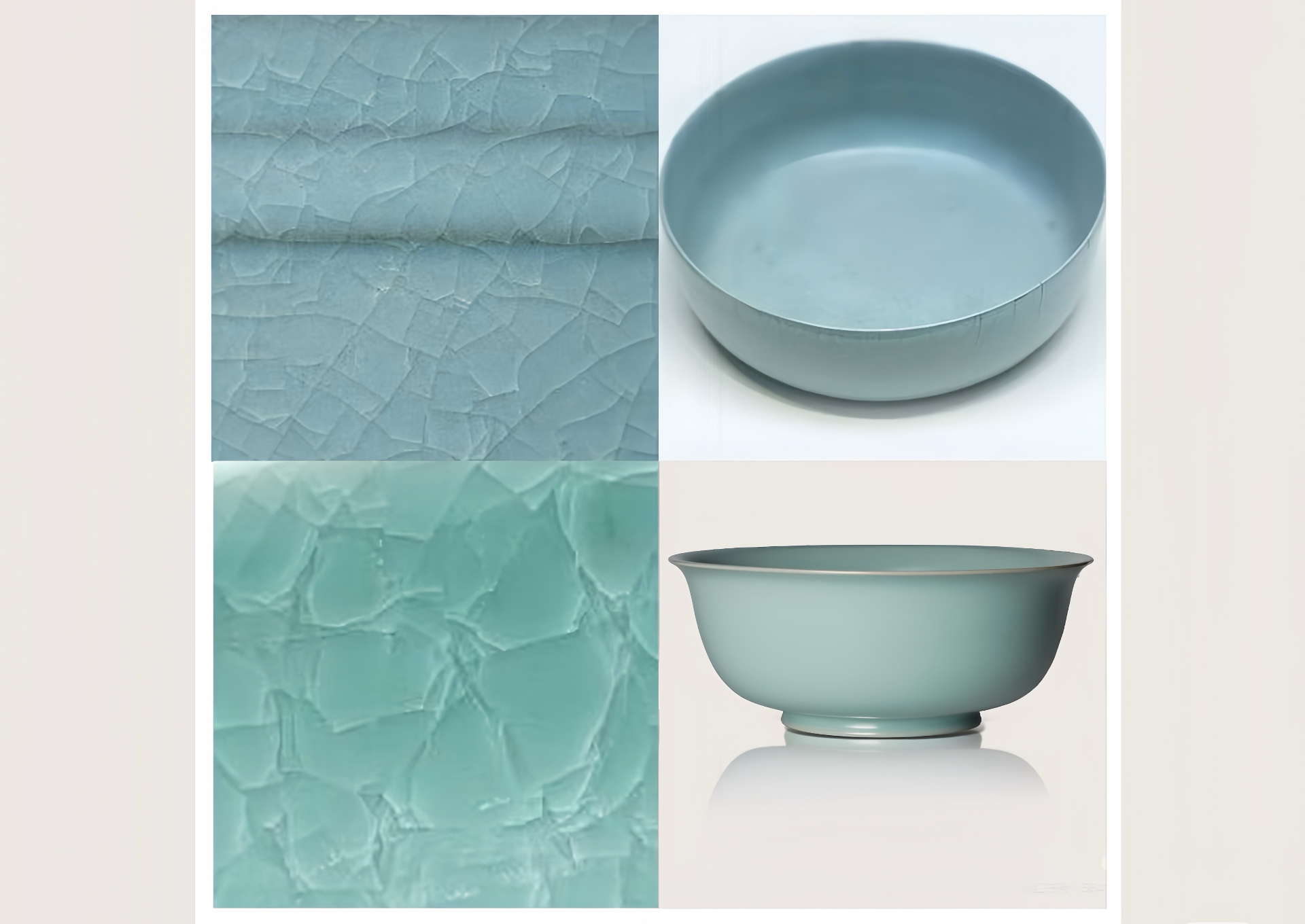
In the world of tea, this philosophy is expressed through irregular forms, natural textures, and glazes that vary from one piece to another. It is an invitation to let go of industrial perfection.
A daily ritual, not a rare occasion
Applying Wabi Sabi begins with a simple gesture: preparing a fine tea in a bowl that tells a story. Slightly chipped ceramic, a teapot that develops a patina over the herbal teas, every mark bears witness to use.
It is a way of making everyday tea more profound, without making it solemn.
Choosing objects that age well
Look for handcrafted pieces with deliberate imperfections: visible throwing marks, irregular glazes, varying weights. These are the objects that will age with you.
We select our ceramics from independent workshops. Visit our Hollin du Goût counter in Sartrouville to choose yours by hand.
Frequently Asked Questions (FAQ)
- What should you remember about wabi Sabi?
- Wabi Sabi is not a decorative aesthetic: it is a way of perceiving matter and time. Wabi Sabi is a Japanese aesthetic and spiritual concept that invites us to perceive beauty in simple, modest things marked by the passage of time.
- How does Maison HOLLIN select its teas when it comes to wabi Sabi?
- We taste every batch before listing it and work exclusively with pure teas. Oxidation, roasting and terroir are what create the notes: sourcing therefore focuses on the artisan's craft, not on added flavourings.
- Where can you discover and taste these teas in Île-de-France?
- At the HOLLIN du Goût counter, 22 avenue de la République, 78500 Sartrouville, open Monday to Saturday from 10h to 20h. There, you can smell the dry leaves, compare several grand crus and leave with the batch suited to your practice. Orders are also shipped throughout France and internationally.