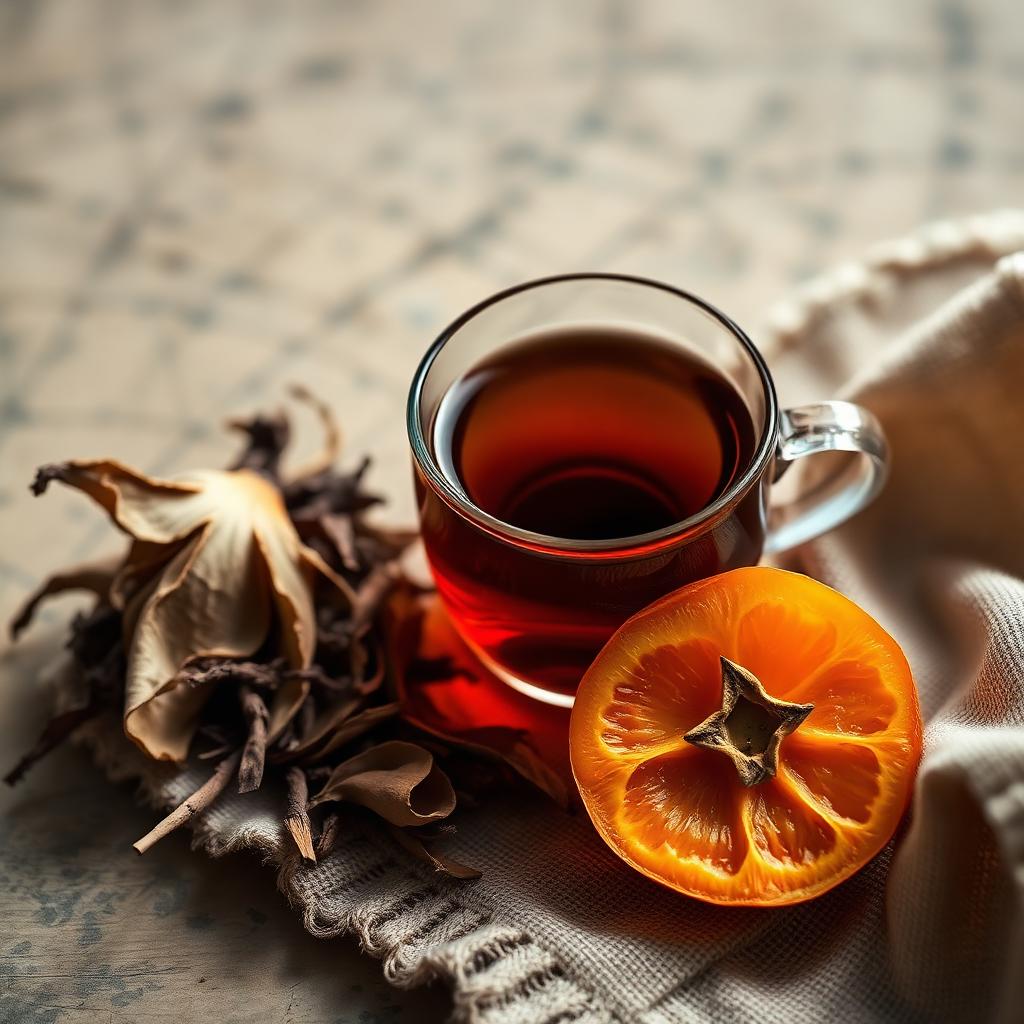
Astringency in tea: what it is, how to control it
Written by Dian VAULTIER·
In Brief
- Astringency is not bitterness. Confusing the two means overlooking an important marker of quality in fine teas.
- Bitterness is a taste, perceived by the taste buds.
- HOLLIN sommelier expertise: astringency in tea explained by a purist Tea Maison, with no added flavourings, based in Sartrouville (Île-de-France) and shipping its fine teas worldwide.
Astringency is not bitterness. Confusing the two means overlooking an important marker of quality in fine teas.
Astringency is not bitterness
Bitterness is a taste, perceived by the taste buds. Astringency is a physical sensation, that feeling of dryness or pastiness in the mouth.
It is caused by tannins, polyphenolic compounds that bind to proteins in saliva. It is a marker of structure, found in red wines as well as in fine teas.
Why your tea is too astringent
Astringency is a marker of quality, but it must be balanced by natural sweetness and aromas. Excessive astringency is almost always due to a preparation error.
Two causes recur constantly: water that is too hot, which extracts the tannins too abruptly, and an infusion time oftime that is too long, releasing them in excess.
Adjusting without distorting
Opt for herbal teas short ones and follow the temperature recommended for each family. For a green tea, 70 to 80 °C and one to two minutes are enough. For a black tea, 90 °C and three to four minutes.
If the astringency remains pronounced after adjustment, it is probably the signature of the cru. It is up to you to decide whether you appreciate it as it is or prefer a rounder profile.
Frequently Asked Questions (FAQ)
- What should you remember about astringency in tea?
- Astringency is not bitterness. Confusing the two means overlooking an important marker of quality in fine teas. Bitterness is a taste, perceived by the taste buds.
- How does Maison HOLLIN select its teas when it comes to astringency in tea?
- We taste every batch before listing it and work exclusively with pure teas. Oxidation, roasting and terroir are what create the notes: sourcing therefore focuses on the artisan's craft, not on added flavourings.
- Where can you discover and taste these teas in Île-de-France?
- At the HOLLIN du Goût counter, 22 avenue de la République, 78500 Sartrouville, open Monday to Saturday from 10h to 20h. There, you can smell the dry leaves, compare several grand crus and leave with the batch suited to your practice. Orders are also shipped throughout France and internationally.