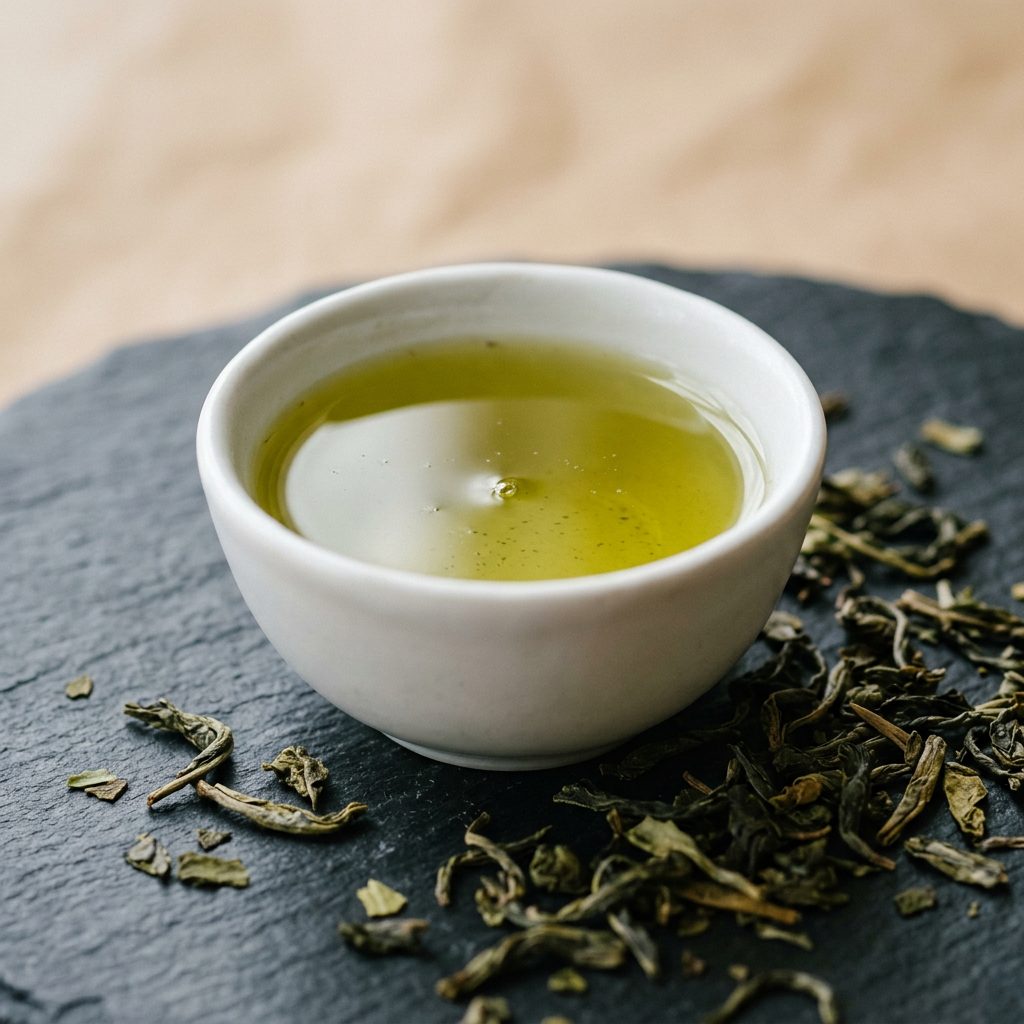
What are spring teas (Shincha)?
Written by Dian VAULTIER·Published
In Brief
- In Japan, Shincha refers to the very first green tea harvest of the year, traditionally carried out between late April and early May.
- After winter, the tea plant accumulates reserves of amino acids, particularly L-theanine, in its roots and stems.
- HOLLIN sommelier expertise: spring teas (Shincha), explained by a purist Tea House specialising in pure tea, based in Sartrouville (Île-de-France) and shipping its grand crus worldwide.
The Shincha refers in Japan to the very first green tea harvest of the year, traditionally carried out between late April and early May. This first harvest stands out for its exceptional concentration of L-theanine and intense vegetal freshness. This article explores the agronomic and cultural foundations of this category, eagerly awaited by tea enthusiasts.
The distinctive nature of the first picking
After winter, the tea plant accumulates reserves of amino acids, particularly L-theanine, in its roots and stems. When the spring buds emerge, these reserves migrate to the young shoots, giving them a distinctive aromatic richness and sweetness, still largely unaltered by prolonged exposure to the sun.
This first harvest, known broadly as Ichibancha and as Shincha when sold quickly and fresh, thus concentrates the finest flavour potential of the season, before subsequent harvests develop a more astringent profile.
A distinctive aromatic profile
Shincha is characterised by vivid grassy notes, sometimes marine, combined with a natural sweetness that contrasts with the more pronounced bitterness of later harvests. Once infused, this vibrant freshness is often accompanied by an exceptionally luminous emerald-green colour.
Its brief availability, generally limited to a few weeks after the harvest, contributes to its status as a special event in the calendar of Japanese tea enthusiasts.
The importance of keeping it fresh
Because it is rich in volatile compounds, Shincha should be stored away from light, moisture and heat, ideally in the refrigerator in an airtight container, to preserve its qualities for several weeks.
How to infuse Shincha correctly
Water at a low temperature, around 60 to 70 degrees Celsius, brings out sweetness and umami without releasing excessive astringency. A shorttime steeping time, of around one minute, respects the delicate nature of this first harvest.
A non-porous clay teapot or a simple glass filter is recommended to avoid masking the aromatic finesse characteristic of this seasonal tea.
The purist selection of HOLLIN
The HOLLIN du Goût counter, located at 22 avenue de la République in Sartrouville, is open Monday to Saturday from 10h to 20h. When available, Shincha lots are presented with their precise harvest date to guarantee optimal freshness.
Our team is happy to advise on the appropriate storage conditions for these first-harvest teas, whose optimal tasting window remains relatively short after their arrival in store.
Frequently Asked Questions (FAQ)
- What is the difference between Shincha and Ichibancha?
- Ichibancha refers to the entire first harvest of the year in Japan, while Shincha refers more specifically to lots sold very soon after this picking, to guarantee maximum freshness for the consumer.
- Why is Shincha richer in L-theanine?
- During winter, the tea plant stores amino acids in its roots. When the spring buds emerge, these reserves migrate to the young shoots, giving them a higher concentration of L-theanine than subsequent summer harvests.
- How should Shincha tea be stored after purchase?
- It is recommended to place it in an airtight, opaque container, ideally in the refrigerator, to limit the oxidation of the volatile compounds responsible for its freshness. Consumption within the weeks following purchase is recommended.