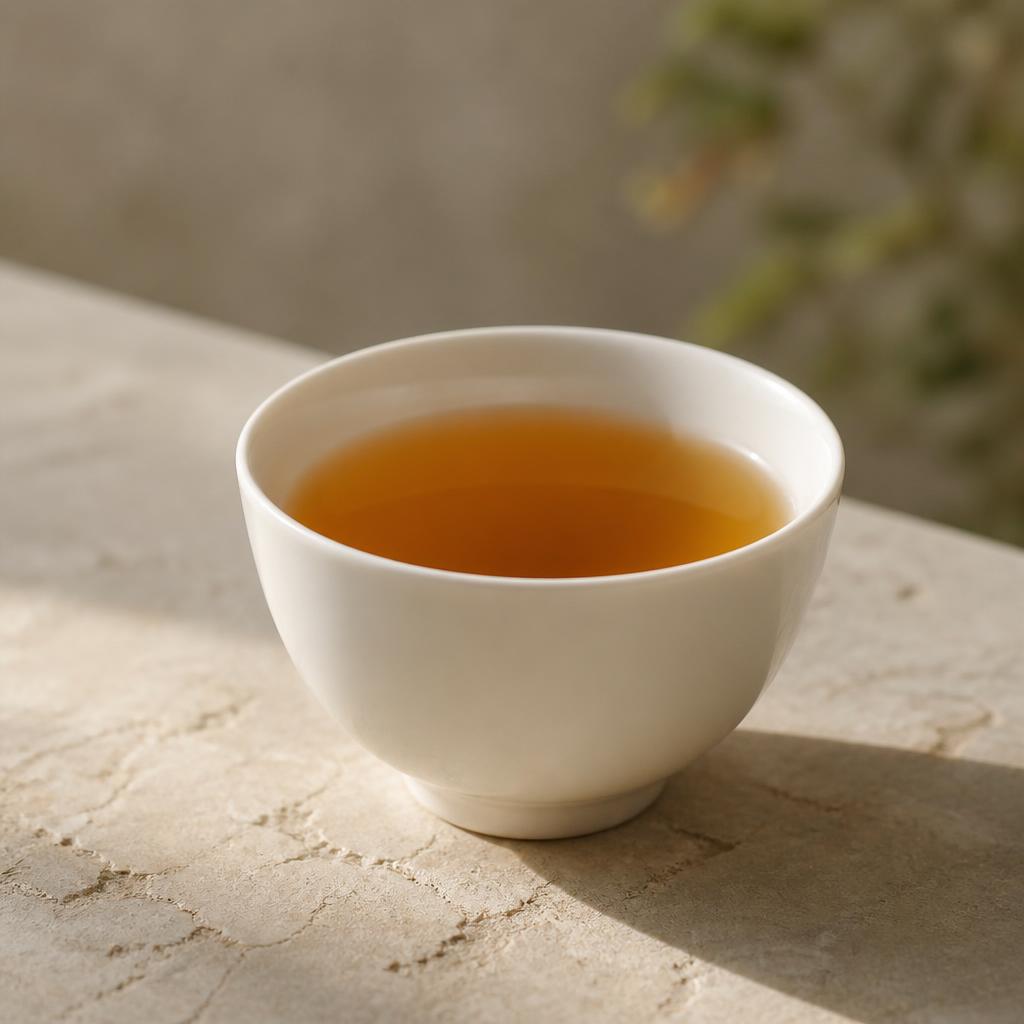
Does tea really stain teeth yellow?
Written by Dian VAULTIER·
In Brief
- The question of tea-related tooth staining comes up frequently, often tinged with misconceptions.
- Tea tannins, particularly the theaflavins and thearubigins produced through oxidation in black teas, have a chemical structure capable of binding to the proteins in the exogenous acquired pellic…
- The HOLLIN sommelier’s expertise: does tea really yellow teeth, explained by a purist Tea House with no added flavourings, based in Sartrouville (Île-de-France) and shipping its finest teas worldwide.
The question of tea-related tooth staining comes up frequently, often tinged with misconceptions. Tea tannins and polyphenols do indeed have an affinity for tooth enamel, comparable to that observed with coffee or red wine. Yet this same family of molecules, particularly the catechins in green tea, also has documented antibacterial properties. A distinction should therefore be made between the aesthetic effect and the effect on oral health.
The mechanism of enamel staining
Tea tannins, particularly the theaflavins and thearubigins produced through oxidation in black teas, have a chemical structure capable of binding to the proteins in the exogenous acquired pellicle that naturally coats tooth enamel. This bond encourages the gradual deposition of pigments on the surface of the tooth.
The most oxidised teas, such as black teas or oolongs highly processed, have a more pronounced staining potential than green teas or white teas, whose polyphenols remain predominantly in the form of unoxidised catechins.
An effect offset by antibacterial properties
The catechins of green tea, particularly EGCG, have a documented inhibitory effect on certain bacteria responsible for dental plaque and the formation of cavities. This duality illustrates the complexity of tea’s impact on oral health, between aesthetic risk and hygiene benefits.
The fluorides naturally present in tea leaves, absorbed by the plant from the soil, also contribute to a degree of enamel remineralisation when consumed regularly in reasonable amounts.
Limiting stains without forgoing the tasting experience
Rinsing the mouth with plain water after tasting limits the amount of time tannins remain in contact with the enamel. Using a straw for herbal teas brews also reduces direct contact with the front teeth.
Non-abrasive brushing, carried out around thirty minutes after consumption to protect enamel temporarily softened by acidity, effectively completes this preventive routine.
The purist selection of HOLLIN
At the HOLLIN du Goût counter, 22 avenue de la République, 78500 Sartrouville, open Monday to Saturday from 10h to 20h, our tea masters are pleased to recommend green teas and white teas, which are less pigmented, to those wishing to preserve the whiteness of their smile while enjoying the benefits of catechins.
We also offer a range ofherbal teas herbal infusions, naturally free from staining tannins, for an equally rich-tasting alternative at the end of the day.
What the chemistry of staining tells us
Extrinsic tooth staining comes from pigments that adhere to the acquired pellicle, the thin layer of salivary proteins coating the enamel. Tea tannins, particularly the theaflavins and thearubigins in black teas, have a strong affinity for these proteins. The observed staining is therefore superficial, reversible, and unrelated to damage to the enamel itself.
The intensity of the deposit depends on the concentration of the liquor, the contact time and the acidity of the oral environment. A green tea light, briefly infused, leaves a far subtler trace than a black tea brewed very strong and sipped slowly throughout the morning. Dry mouth, by reducing the protective flow of saliva, markedly accentuates the phenomenon.
Simple gestures, without giving up tea
Rinsing the mouth with plain water after a cup is enough to dislodge most pigments before they adhere. Waiting around thirty minutes before brushing prevents abrasion of enamel temporarily weakened by acidity. Drinking water regularly throughout the day maintains saliva flow, the body’s primary natural cleansing agent.
It would be a shame to overlook the other side of the matter. Tea polyphenols, particularly epigallocatechin gallate, inhibit the proliferation of Streptococcus mutans, a bacterium involved in tooth decay, in laboratory settings. Tea also provides natural fluoride from the soil. Its long-term oral health balance therefore leans decidedly towards the positive, especially with green teas pure and with no added sugar.
To continue this exploration beyond the screen, step through the door of the HOLLIN du Goût counter, our contemporary Asian grocery located at 22 avenue de la République in Sartrouville. Here, the leaves are opened, smelled and discussed, and every recommendation is tailored to your water, your teapot and your time of day.
Frequently Asked Questions (FAQ)
- Which type of tea stains teeth the most?
- The black teas, rich in theaflavins and thearubigins produced through complete oxidation, have the most pronounced staining potential. The green teas and white teas, which are less oxidised, mainly contain catechins that bind less strongly to tooth enamel.
- Does adding milk to tea reduce dental stains?
- Some studies suggest that milk proteins may partially bind to tea tannins, reducing their availability to adhere to the enamel. However, this effect remains modest and is no substitute for rigorous oral hygiene after tasting.
- Should tea be avoided after recent teeth whitening?
- It is advisable to limit the consumption of heavily oxidised teas during the forty-eight hours following whitening, as the enamel is temporarily more porous and sensitive to pigments. The green teas light remain a more cautious option during this period.