What is a Grand Cru tea?
Written by Dian VAULTIER·
In Brief
- The notion of Grand Cru, borrowed from the vocabulary of wine, applies to tea according to equally rigorous, though less institutionalized, criteria.
- Altitude, soil type, exposure and microclimate determine the biochemical composition of the leaf even before harvest.
- HOLLIN sommelier expertise: what is a Grand Cru tea, decoded by a purist tea Maison, with no added flavorings, based in Sartrouville (Île-de-France) and shipping its grand crus worldwide.
The notion of Grand Cru, borrowed from the vocabulary of wine, applies to tea according to equally rigorous, though less institutionalized, criteria. A Grand Cru tea is never the result of a single factor, but of the convergence of a singular terroir, an exceptionally precise harvest and exacting artisanal expertise passed down over time. Understanding these criteria makes it possible to distinguish an exceptional tea from one that is merely adequate.
Terroir, the essential foundation
Altitude, soil type, exposure and microclimate determine the biochemical composition of the leaf even before harvest. Tea plants grown at altitude, exposed to marked temperature variations between day and night, generally develop a higher concentration of amino acids and aromatic precursor compounds.
Some historic gardens, recognized for generations for the consistent quality of their production, enjoy a reputation comparable to that of a vineyard clos, where the terroir alone accounts for part of the tea’s value.
The precision of the harvest
A Grand Cru is also distinguished by the selectivity of its harvest. Picking only the terminal bud, or the bud together with one or two adjacent leaves, guarantees the highest concentration of young, tender compounds, before lignification hardens the leaf.
This fine picking, carried out exclusively by hand in the finest gardens, considerably slows production rates, which partly explains the rarity and price of genuine grand crus.
Artisanal processing expertise
Between picking and the finished tea, every stage, withering, oxidation, fixation, rolling, drying, requires refined sensory judgment that only artisanal experience can hone. A tea master adjusts these parameters in real time according to the ambient humidity and the condition of the leaves that day.
It is this mastery, more than the technology used, that distinguishes standardized industrial production from an artisanal batch capable of fully expressing the potential of the terroir and the harvest.
The purist selection of HOLLIN
Our counter HOLLIN du Goût, 22 avenue de la République, 78500 Sartrouville, open Monday to Saturday from 10h to 20h, selects its grand crus directly from identified producers, ensuring complete traceability of the garden, harvest season and picking grade.
Each rare batch is presented in detail in the boutique, including its origin, harvest date and tasting profile, allowing you to fully appreciate the singularity of these exceptional teas.
A notion of terroir, not a label
Tea has no controlled designation comparable to that of wine. To speak of a grand cru is therefore to describe a cluster of indicators rather than invoke a regulatory text. The first is place: an identified garden, an altitude, an exposure, a soil whose composition shapes the leaf. The second is the plant: a specific cultivar, often old, sometimes from tea plants several decades old whose deep roots concentrate the aromas.
The third indicator is the picking. A bud and a leaf, picked by hand within a window of a few days, do not yield the same material as a mechanical harvest spread over three weeks. The fourth is processing, carried out in small batches by an artisan capable of adjusting the withering, roasting or fixation down to the hour.
Recognizing and tasting
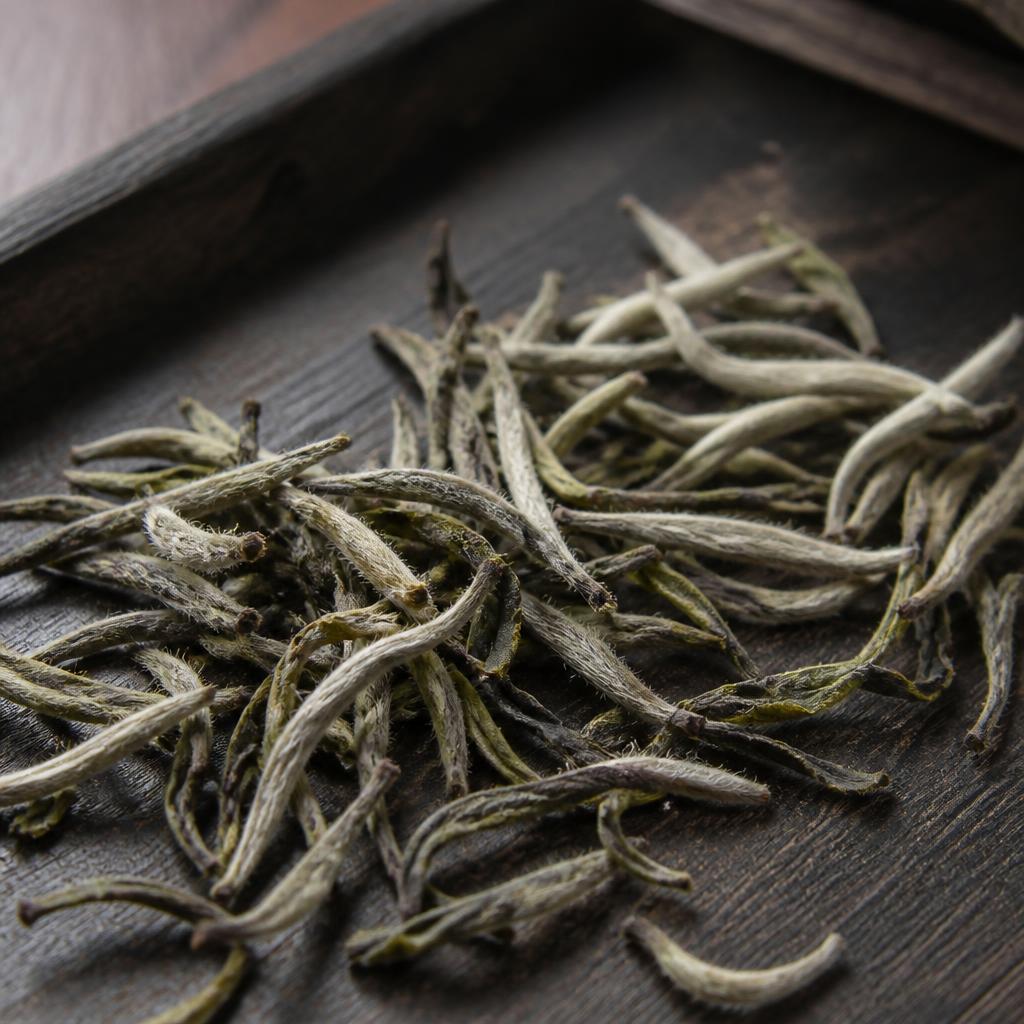
Visually, a grand cru displays whole, uniform leaves, free of broken pieces and dust, with a vibrant color. On the palate, it is distinguished less by power than by length and definition: the aromas unfold without becoming blurred, the finish lingers, and the liquor remains clear even after several herbal teas. The ability to withstand five or six steeps without collapsing is one of the most reliable tests.
Traceability should always accompany the price. A reputable seller names the garden, year, picking season and cultivar. Conversely, the absence of this information calls for caution, regardless of the wording used on the packaging. Our green teas and our black teas are presented with this level of detail, because a grand cru is as much to be told as it is to be drunk.
To continue this exploration beyond the screen, step through the door of the HOLLIN du Goût counter, our contemporary Asian grocery located at 22 avenue de la République in Sartrouville. Here, the leaves are opened, smelled and discussed, and every recommendation is tailored to your water, your teapot and your time of day.
Frequently Asked Questions (FAQ)
- Does a Grand Cru tea always come from a single garden?
- In the vast majority of cases, yes. The notion of Grand Cru rests on the precise traceability of a single terroir, comparable to a vineyard plot. A blend of several origins, however fine, cannot claim the same status, as it lacks a single terroir identity.
- Is the spring harvest always the best for a Grand Cru?
- The spring harvest is indeed preferred for most grand crus, as the buds formed after winter dormancy contain a higher concentration of amino acids. Certain oolongs harvested in winter or black teas summer are exceptions, however, as their optimal profile depends on the season specific to the cultivar.
- How can a loose-leaf Grand Cru be recognized visually?
- A Grand Cru generally displays highly uniform sizing, a majority of whole, unbroken buds, and an even color indicating controlled processing. The absence of leaf dust and uneven fragments is also a good visual indicator of quality.