What is the real difference between tea and an herbal infusion?
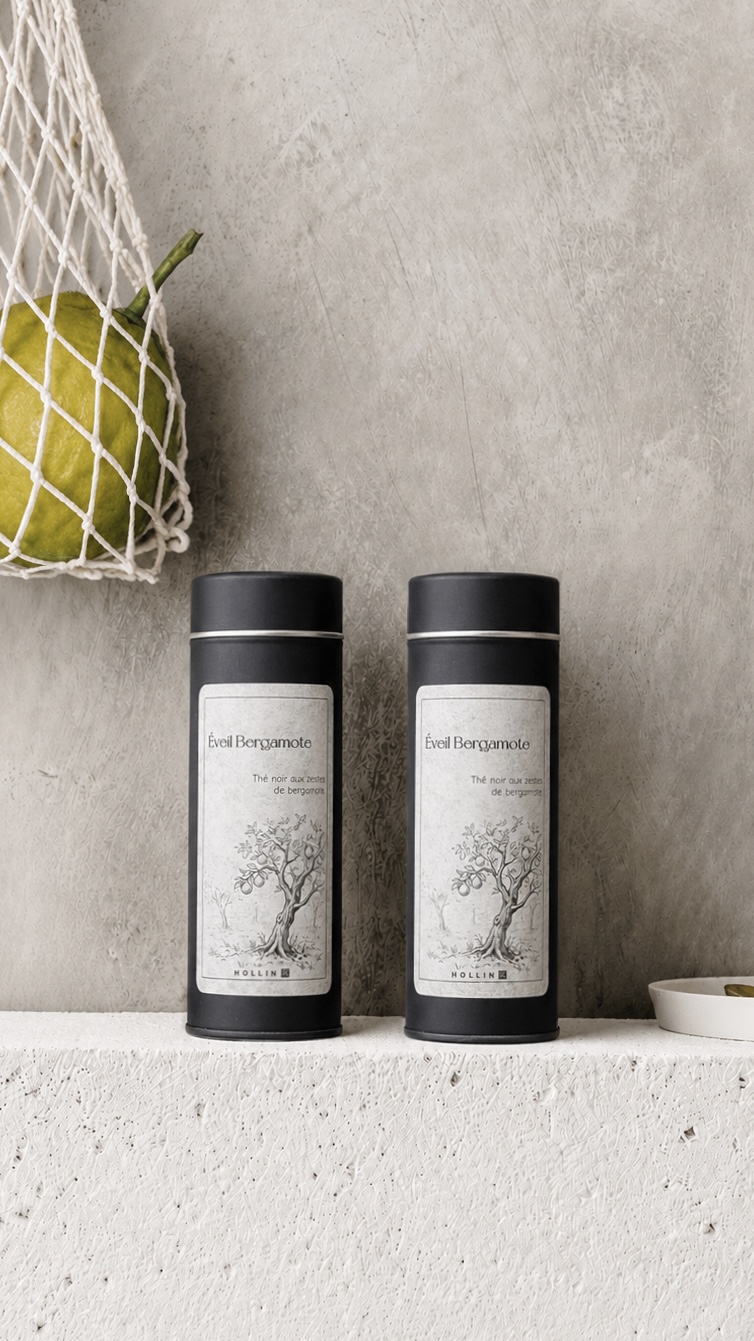
The fundamental difference lies in the plant of origin. True tea comes exclusively from the leaves of the tea plant (Camellia sinensis) and naturally contains caffeine. An herbal infusion (often called a tisane when referring to the drink) is prepared from any other plant, flower, or fruit, and is entirely caffeine-free. Although the act of infusing is the same, the experience, the chemistry of the liquor, and the intention behind the cup are profoundly different.
The botanical difference: everything begins with Camellia Sinensis
Whether it is a green tea delicate like Long Jing, a black tea powerful, or a Matcha ceremonial tea ground on a stone mill, everything comes from one and the same shrub. It is the cultivar, the terroir, the climate, and above all the artisan's meticulous work (the degree of oxidation, the roasting, or the drying method) that shape the aromatic profile and final structure of the leaf.
Other drinks (rooibos, chamomile, maté, or fruit blends) draw on an infinite variety of other plants and roots. As they do not come from the tea plant, they invite a different rhythm, often chosen for a soothing sense of grounding at the end of the day.
Caffeine or no caffeine? The impact on your ritual
It is the most frequently asked question: does tea keep you awake? Unlike coffee, the caffeine (which is chemically the same molecule as caffeine) contained in Camellia sinensis is bound to the tea's tannins. This synergy allows it to be released slowly and steadily into the body. Tea stimulates the mind without overstimulating it.
Herbal infusions (with the exception of maté) are naturally caffeine-free. Be wary, then, of the myth of “caffeine-free tea”: the famous rooibos (often incorrectly called “red tea”) comes from a South African shrub and therefore contains no caffeine.
Infusion is a method, not merely a drink
In everyday language, the method and the result are often confused. Infusion is first and foremost the act of pouring hot water over plant matter to extract its active compounds and aromas. The physical preparation of these materials differs greatly:
- For herbal teas: the method is robust. Roots and flowers can often withstand boiling water (100°C) and a long infusion without developing bitterness.
- For specialty teas: the leaf is a delicate material that demands restraint. To release its natural sweetness without burning its tannins, tea requires gently simmering water (between 70°C and 85°C depending on the family) and strict attention to infusion time.
Discover our collection of contemporary objects for the table to master your infusions.
The Hollin approach: purity without added flavours
At HOLLIN, we have chosen to focus exclusively on Camellia sinensis, to offer you single-origin teas (particularly from Hunan) and Matcha that celebrate the artisan's work. A true pure tea is complete in itself: we stand for absolute purity, without any added flavouring.
Discover our black teas and green teas exceptional, or come and taste them at our counter Hollin of Taste in Sartrouville.
Frequently Asked Questions (FAQ)
Can you drink tea in the evening?
It depends on your sensitivity to theine and the tea family. A first-flush green tea rich in buds (and therefore in theine) is not recommended in the evening. However, some dark teas (Pu-erh) or heavily roasted teas such as Hojicha contain very little theine and can be enjoyed at the end of the day.
Is Rooibos a tea?
No, rooibos is not a tea. It comes from the Aspalathus linearis shrub endemic to South Africa, not from the tea plant (Camellia sinensis). It contains no caffeine.
How long should green tea be infused?
A high-quality pure green tea is generally infused for between 1 minute 30 and 3 minutes maximum, in water at 75°C. Beyond that, the tannins take over and make the liquor bitter.